Politics
Alito’s abortion ruling reshaped the Supreme Court and states’ laws
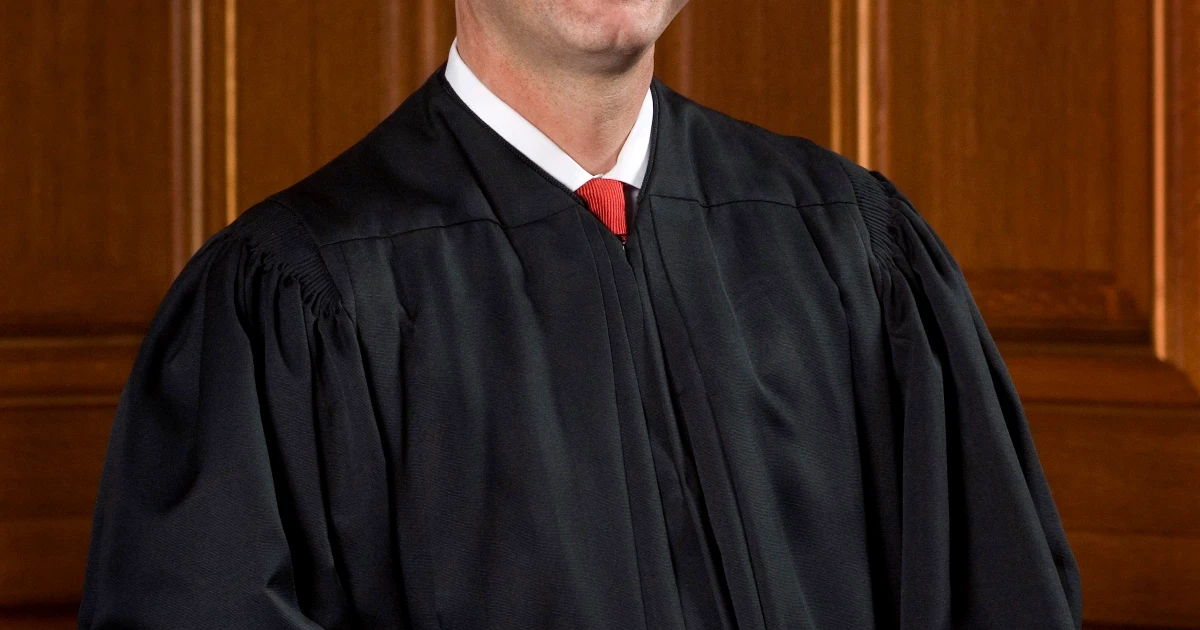
Samuel A. Alito Jr. was not expected to retire in April, even as speculation swirled around a vacancy that could give Donald J. Trump a fourth Supreme Court appointment. The pressure point is Alito’s most lasting decision, Dobbs v. Jackson Women’s Health Organization, which he wrote on June 24, 2022, overruling Roe v. Wade and Planned Parenthood v. Casey and declaring that the Constitution does not confer a right to abortion.
Alito has sat on the court since January 31, 2006, when he replaced Sandra Day O’Connor, and he is now part of a 6-3 conservative majority that has driven major rulings on abortion, guns, religion and the administrative state. Born in Trenton, New Jersey, on April 1, 1950, he has become one of the court’s most consequential conservatives, with his votes and opinions anchoring the bloc that includes Chief Justice John G. Roberts Jr., Clarence Thomas, Neil M. Gorsuch, Brett M. Kavanaugh and Amy Coney Barrett against Sonia Sotomayor, Elena Kagan and Ketanji Brown Jackson.
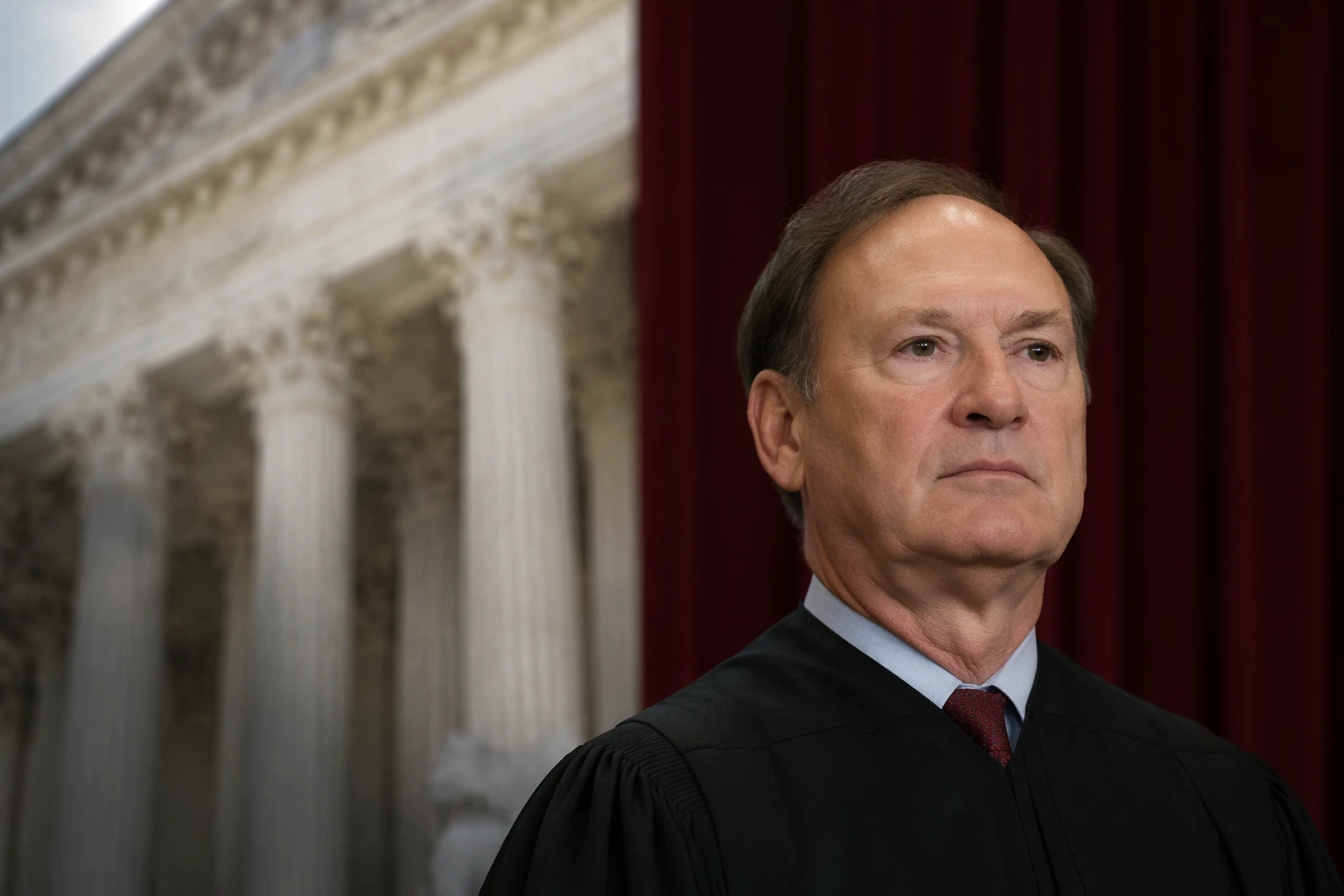
Dobbs originated in Mississippi’s Gestational Age Act, the 15-week abortion ban that Jackson Women’s Health Organization challenged as violating the court’s abortion precedents. The ruling did more than eliminate a federal constitutional right; it pushed abortion regulation back to the states, where access now turns on a patchwork of bans, limits and protections that differ sharply from Mississippi to state. That shift has made abortion litigation more local and more fragmented, with state courts and legislatures now carrying disputes that once came to Washington.
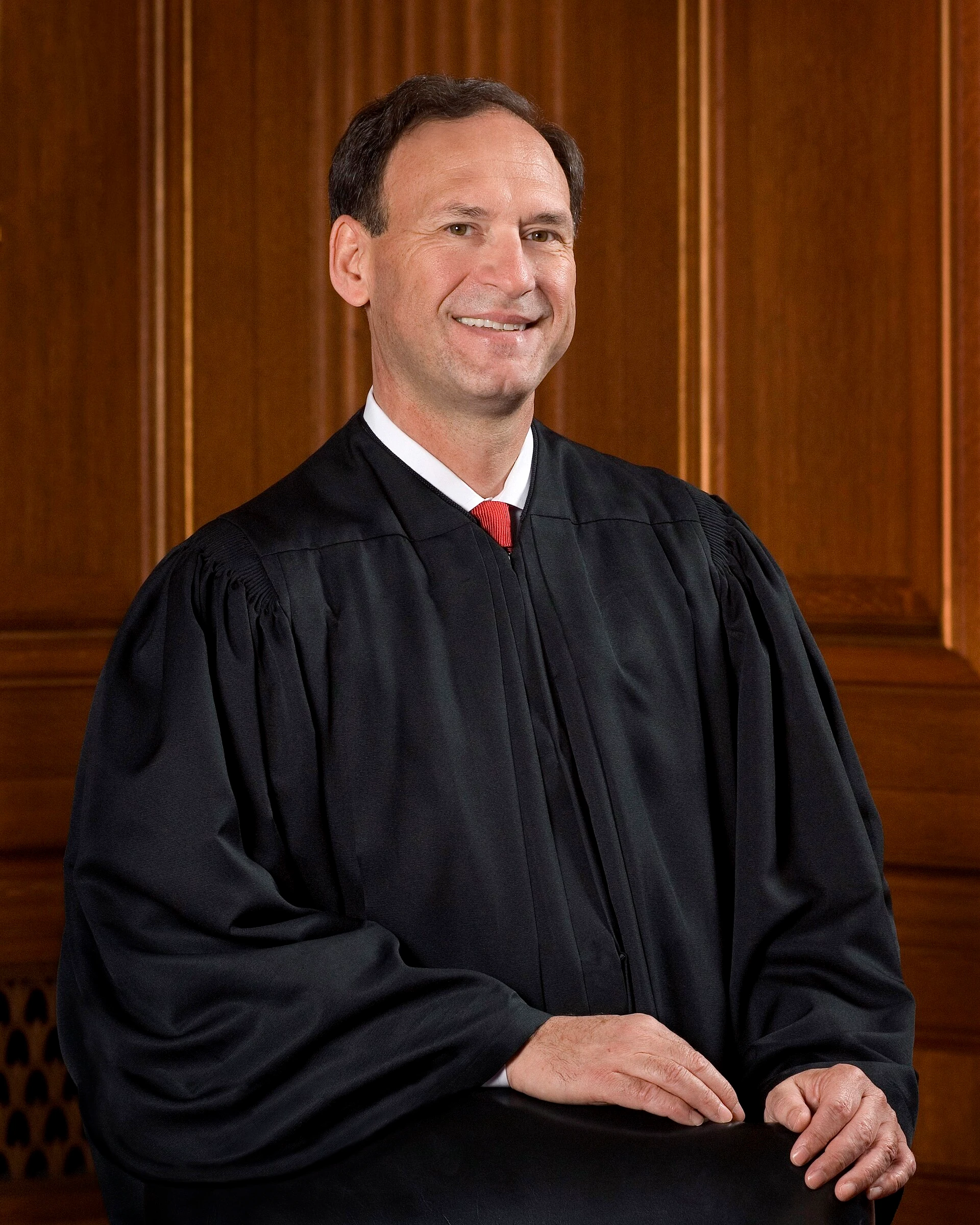
The retirement fight is so intense because Alito’s exit would immediately change the arithmetic of the court’s most fragile coalitions. A vacancy during Trump’s second term would open the door to his fourth lifetime appointment, and conservative activists and opponents alike have already begun gaming out the consequences. Demand Justice has started organizing against possible nominees, while April reporting said Alito was not expected to step down this year, underscoring how much of the current battle still rests on a speculative opening.
Sources
- [1]npr.org
- [2]supremecourt.gov
- [3]news.northeastern.edu
- [4]cbsnews.com
- [5]apnews.com
- [6]scotusblog.com