Technology
Alphabet board member criticizes U.S. AI regulation as inconsistent

At a Reuters event in London, Martin Chavez, vice chairman of Sixth Street and a member of Alphabet’s board, said the United States is handling artificial-intelligence regulation in a way that is hard to follow for companies building and deploying new systems. He criticized the practice of reviewing each new model release individually and said too little is known about who makes those decisions or why.
Chavez framed the problem as structural rather than a narrow policy fight. “The right regulation always happens after the fact,” he said, arguing that AI should be overseen in a way that resembles the annual stress tests imposed on banks after the financial crisis. His point was that rules should harden after failures become visible, rather than trying to freeze a fast-moving technology before its risks are understood.
His remarks landed as central bankers were already warning that the AI boom could follow a familiar cycle of overinvestment and strain. The Bank for International Settlements’ June 2026 Annual Economic Report included a section titled “AI progress and investment boom under pressure,” flagging risks that included job losses, supply bottlenecks and overheating in the sector.
The debate over how to police AI has also moved into national security. On June 12, 2026, Anthropic said it would disable its most advanced models, Fable 5 and Mythos 5, after a U.S. export-control directive ordered a suspension of access for foreign nationals. Anthropic said the government cited national security concerns but gave only limited detail, and the company said it opposed recalling a commercial model deployed to hundreds of millions of people.
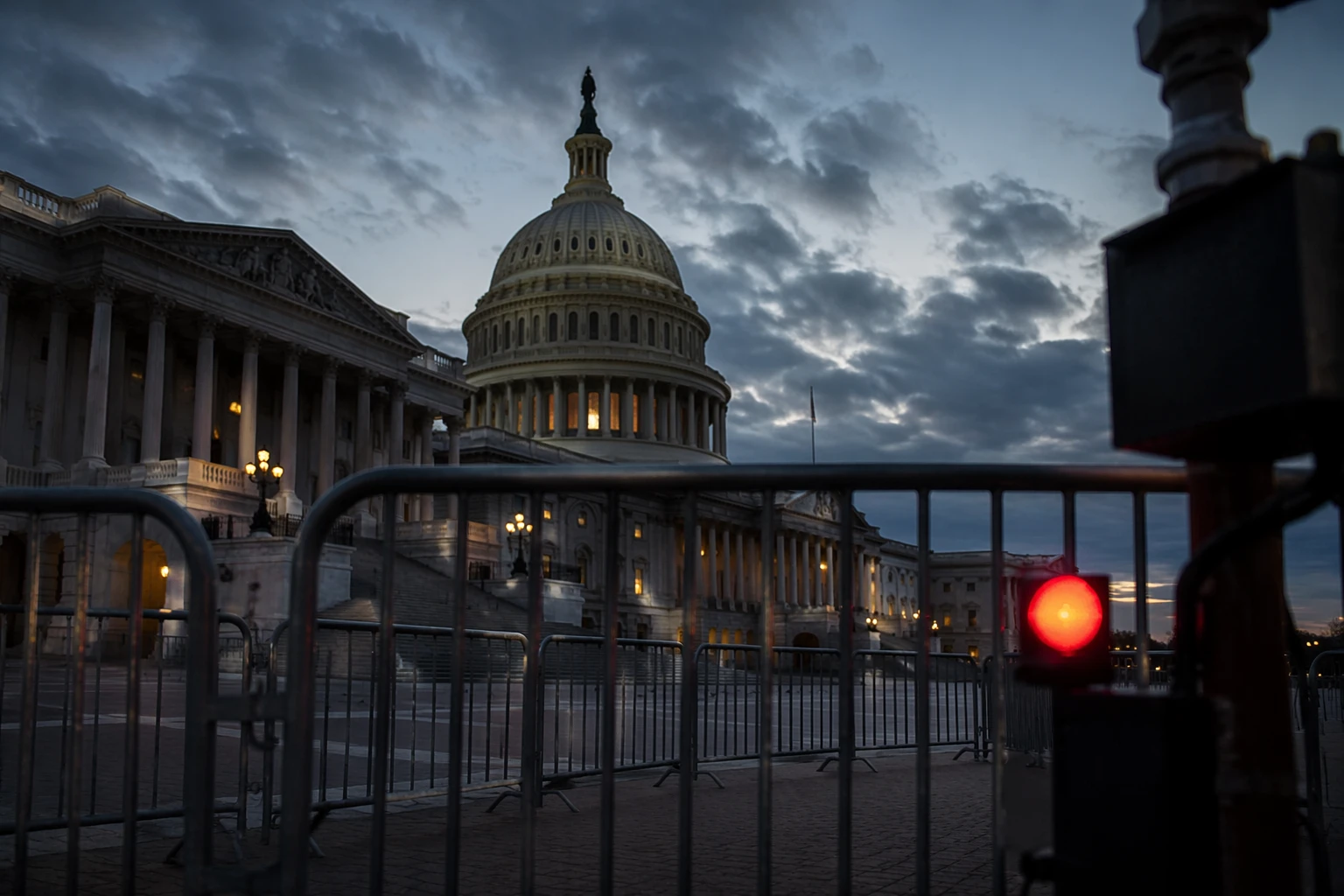
OpenAI made a similar disclosure on June 26, 2026, saying it was delaying the full public launch of GPT-5.6 at the government’s request. The company limited initial access to vetted partners whose details were shared with authorities, a sign that the state is already shaping how frontier models reach the market before broader regulation has settled into a coherent system.
Chavez’s comments also recalled earlier friction between Anthropic and the U.S. government over military use of its models. That dispute had already put the company at odds with Washington, and the government later placed Anthropic on a supply-chain blacklist set to take effect later in 2026. Taken together, the model-by-model controls, export restrictions and security-driven delays show an AI policy regime that is emerging in fragments, with companies left to navigate overlapping demands from regulators, security agencies and investors.
Sources
- [1]money.usnews.com
- [2]bis.org
- [3]msn.com