Technology
Altera says AI and robotics demand are driving rapid growth

Altera said demand tied to artificial intelligence and robotics has pushed the programmable-chip maker back into growth mode, with Chief Executive Raghib Hussain saying the business is expanding about 20% a year and more than doubling operating income as it moves toward an eventual public listing.
The company’s revival comes after Intel and Silver Lake announced a deal on April 14, 2025, that sold Silver Lake a 51% stake in Altera while Intel kept 49%. The transaction valued Altera at $8.75 billion and closed on September 15, 2025, making the business fully independent and giving Hussain the top job in connection with the investment.
Hussain said Altera grew more than 20% last year and expects mid-20% growth again this year, even though the company does not disclose full financial detail as a private business. That is a sharp change from late 2024, when a report said Altera’s third-quarter revenue fell 44% from a year earlier to $412 million, underscoring how much of the turnaround has come since Intel began shedding the asset.
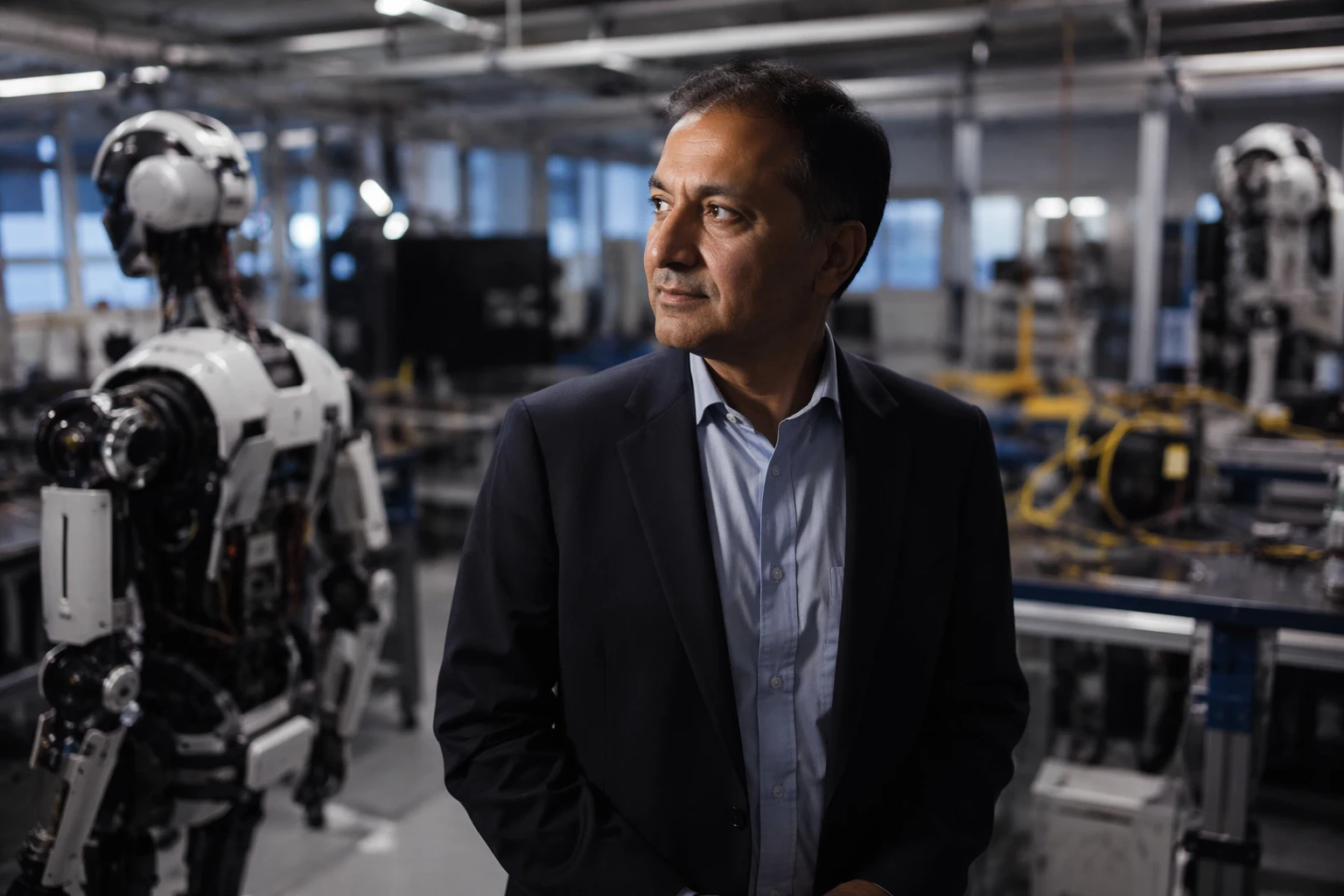
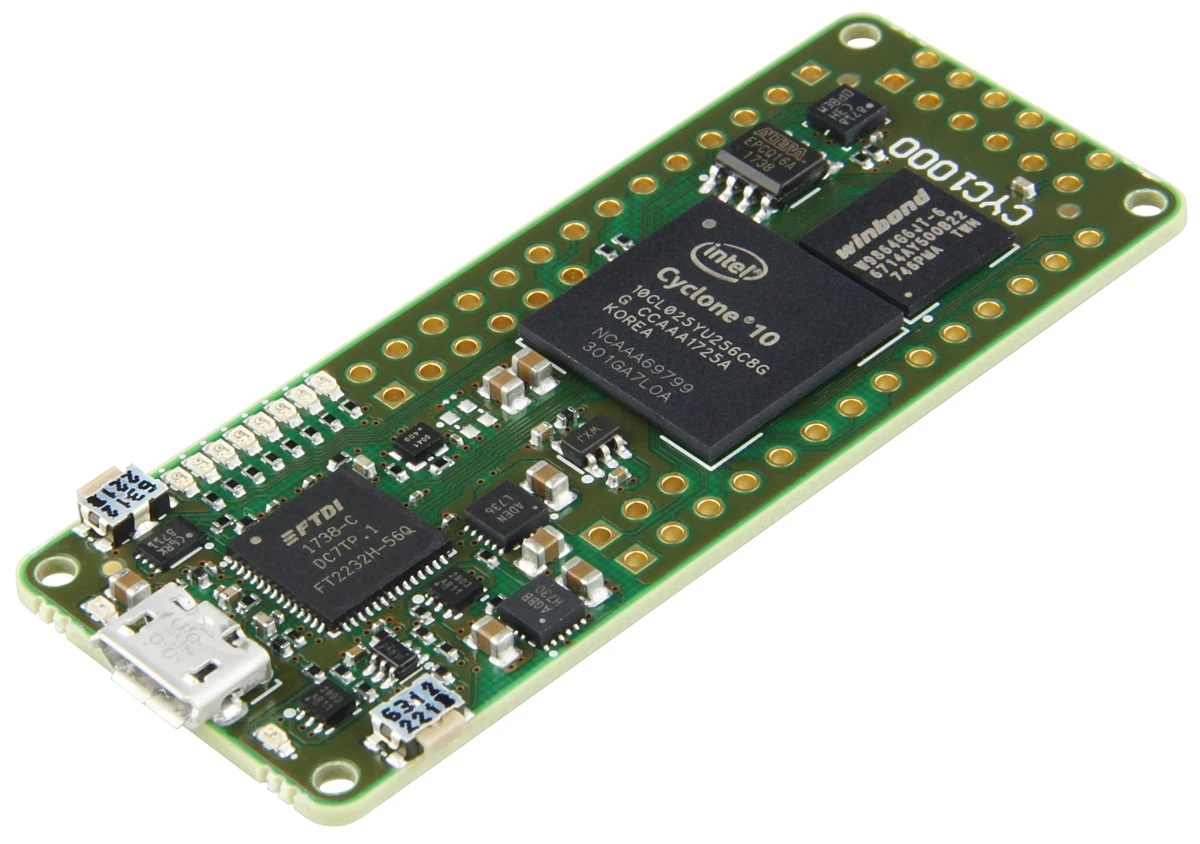
The company is trying to prove that its field-programmable gate arrays, or FPGAs, are more than a legacy niche inside the semiconductor industry. Hussain has said Altera is positioning its chips for connectivity, data pre-processing and sensor fusion alongside GPUs, and he described FPGAs as the “nervous system” for robots. He has argued that FPGA content worth $100 to several hundred dollars per robot could open a market worth roughly $100 billion to several hundred billion dollars over a decade.
Altera has backed that pitch with product launches aimed at robotics, industrial, medical and edge-computing customers. In 2025, the company introduced Agilex 3, Agilex 5 E-Series and new MAX 10 FPGA packages for intelligent edge and embedded applications. In 2026, it highlighted FPGA-based “physical AI” for sensor processing, industrial vision and robotics control, signaling that its growth case now rests on machines that must react to the physical world in real time.
For Intel, the sale fit a broader effort to focus on core businesses and strengthen its financial position. For Silver Lake, the bet was that Altera could stand on its own as the world’s largest pure-play FPGA company. The question for investors is whether the recent growth reflects a durable shift in demand for flexible computing hardware, or a temporary lift from the current AI cycle.
Sources
- [1]money.usnews.com
- [2]intc.com
- [3]altera.com
- [4]finance.yahoo.com
- [5]datacenterdynamics.com