Business
Altman reportedly 5% OpenAI stake for U.S. wealth fund
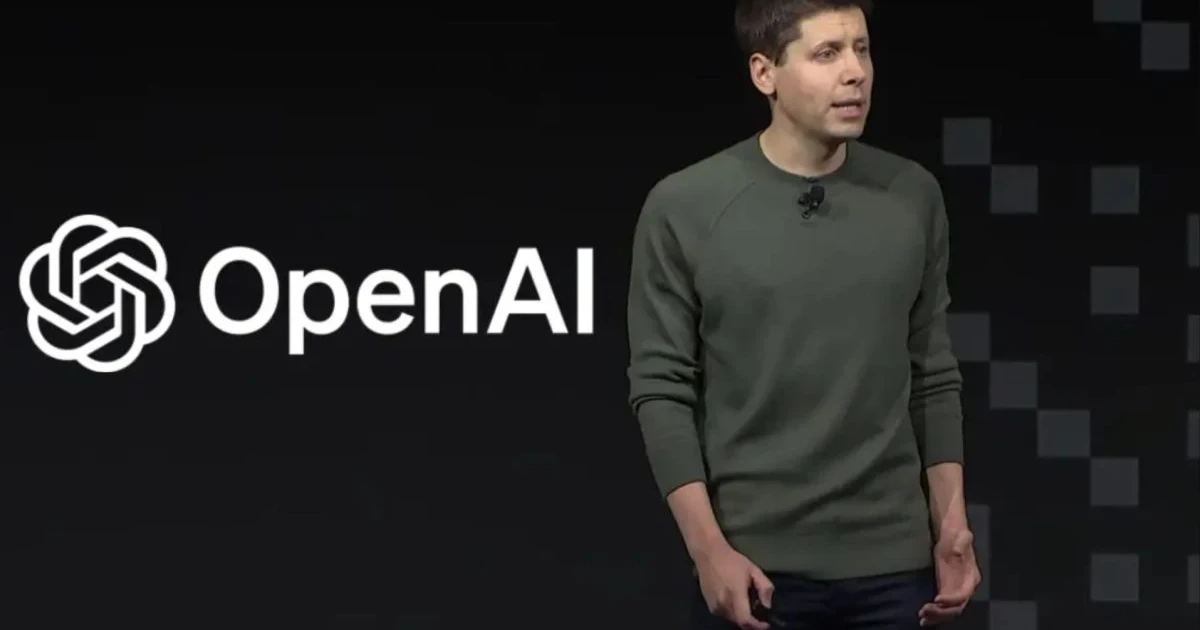
OpenAI CEO Sam Altman has floated giving 5% of the company’s equity to a U.S. sovereign wealth fund, a proposal that would push frontier AI into the same political frame as oil, minerals and other national windfalls. The idea would make the public a direct claimant on some of the upside from a company at the center of the AI boom, but any formal step would likely need congressional approval and would face a difficult legal and political path.
The pitch also reads as a gesture toward Washington at a moment when the company’s growth has become a policy issue, not just a business story. Altman’s broader argument, laid out in OpenAI’s April policy paper Industrial Policy for the Intelligence Age, was that returns from AI investment could be distributed directly to citizens through some kind of public wealth fund. That vision places OpenAI inside a larger debate over whether leading AI companies should be regulated as ordinary private firms or treated more like strategic national assets whose gains should circulate back to the public.
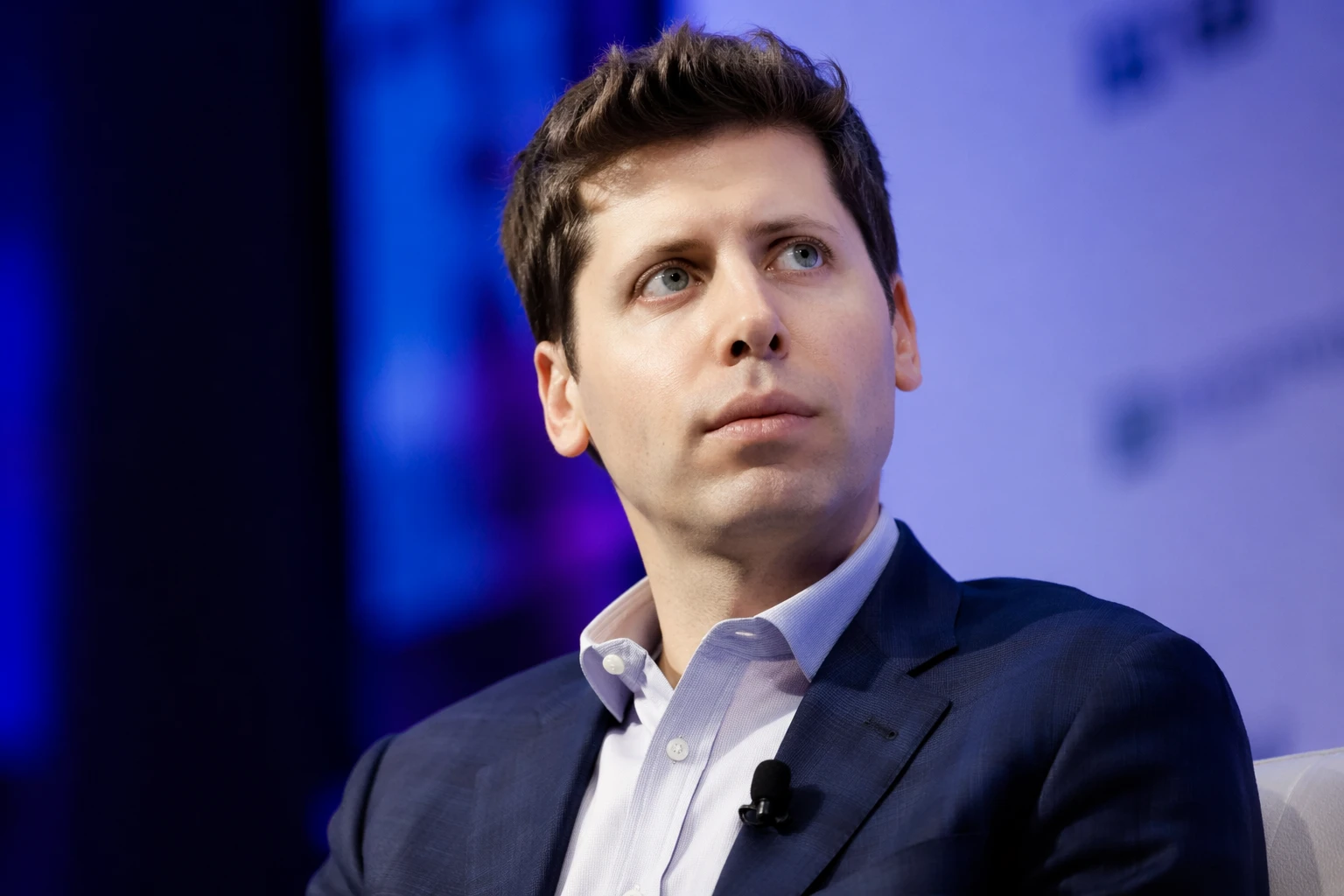
Senator Bernie Sanders has already moved that debate further left. His proposal would impose a one-time 50% tax on stock from systemically important AI companies and place the proceeds into a public wealth fund. The design would not be simple: under Sanders’s bill, diversified companies could try to spin off non-AI businesses to avoid the tax, a sign of how quickly any ownership scheme would run into corporate structure gamesmanship and valuation fights.
The political angle is hard to miss. President Trump has previously described discussions in which pieces of companies might be given to the American public so people could become partners in AI growth. Altman’s proposal sits in that same lane, part governance experiment, part trial balloon and part reputational hedge. It also echoes the logic of sovereign wealth funds in resource-rich countries, where governments capture a share of extraordinary profits and spread them across citizens over time.
That comparison is exactly why the proposal matters. Frontier AI carries public spillovers in productivity, labor markets and national power, while the downside includes concentrated risk, regulatory pressure and potential social disruption. If a company like OpenAI is helped by public infrastructure, public research and public tolerance for its market power, the question now being tested is whether the public should also own a piece of the upside.