Technology
Amazon and Walmart AI spot fake made in USA claims, but do not flag them

Amazon and Walmart’s shopping chatbots can often detect false “Made in USA” claims, but the retailers are not using that detection to crack down on the listings, a July 2026 Columbia University study found. The paper, Made in America, Hidden by AI: AI Shopping Chatbots Reveal How Amazon and Walmart Hurt American Manufacturers and Deceive Shoppers, was written by Erie Meyer and Zachary Harris at Columbia University’s Center for Law and the Economy.
In one example described in the study’s PDF, a shopper looking on Amazon or Walmart for steel-toed work boots made in the United States may be shown boots labeled “Made in USA” and also listed as “imported,” or the search may return no results at all. That disconnect turns on a basic enforcement question: if the platform’s own tools can identify the mismatch, why are the products still visible to shoppers?
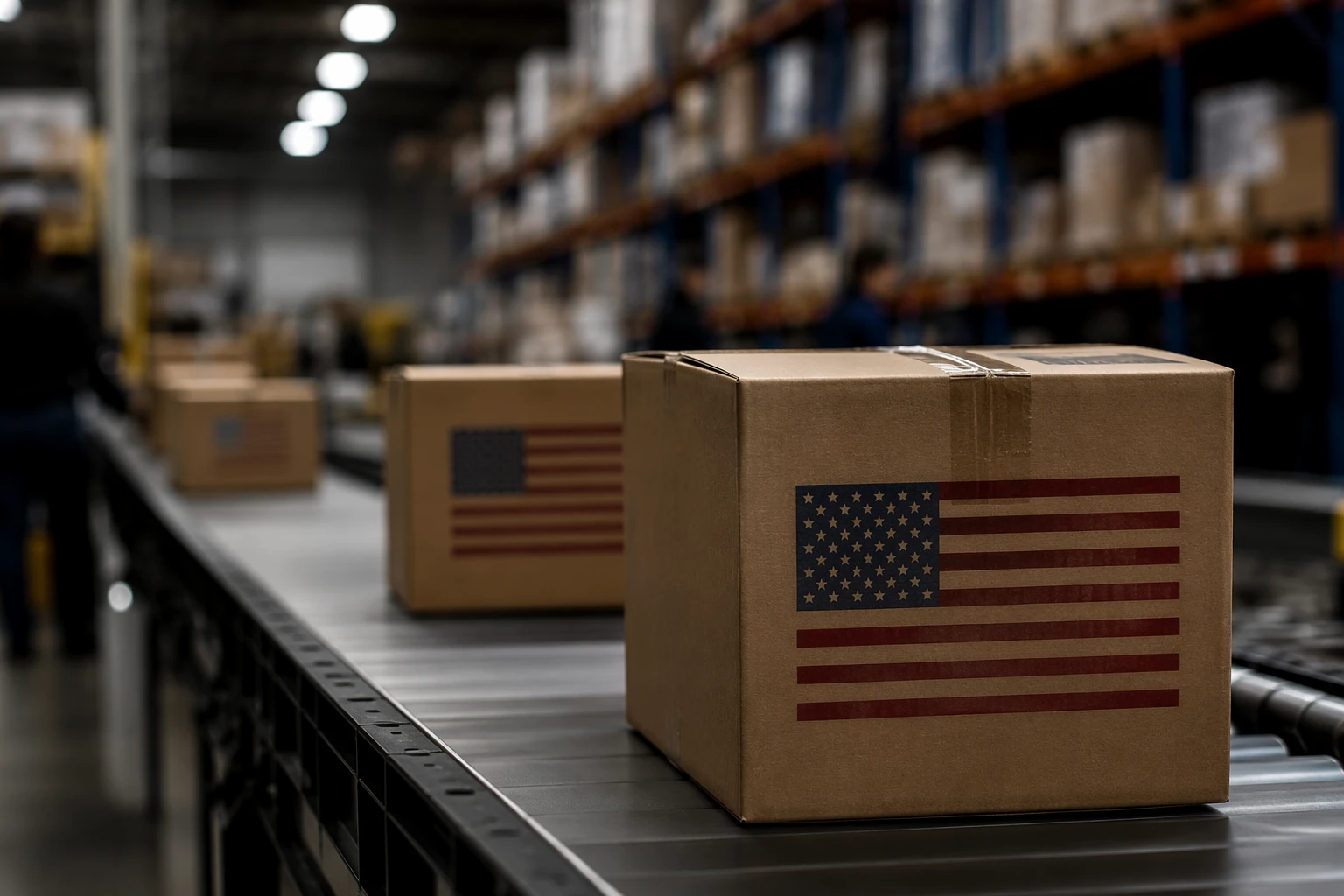
The stakes are commercial as well as legal. A product labeled made in the USA can command more trust from buyers and affect decisions tied to patriotism, quality and supply-chain concerns. The U.S. Federal Trade Commission says a product marketed as Made in USA must be created wholly or almost entirely in the United States, and on July 8, 2025, it demanded better policing of those claims and sent warning letters to companies.
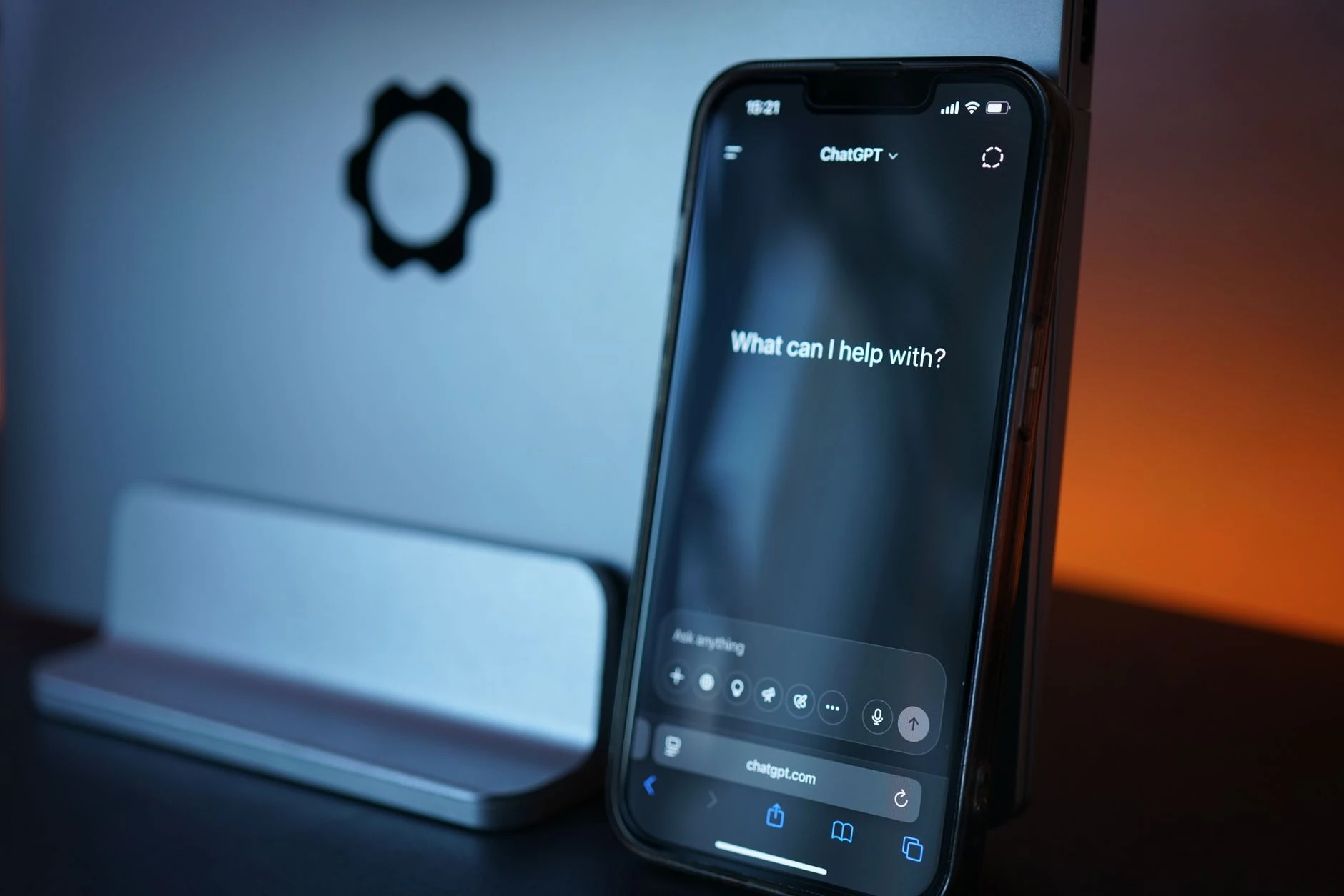
The study lands as Amazon and Walmart push shopping assistants such as Rufus and Sparky, making the question of whether those systems also help police deceptive listings harder to ignore. The result, the study argues, is an accountability gap: AI may detect the problem, but without an enforcement workflow that acts on it, the burden shifts back to shoppers, manufacturers and regulators to catch what the marketplace already knows.