Technology
Amazon Leo seeks FCC approval for 5,105-satellite phone network

Amazon Leo filed for a direct-to-device system of 5,105 low-Earth-orbit satellites, with deployment planned to begin in 2028. The company cannot turn orbit into a cell network until the Federal Communications Commission clears the spectrum and ownership changes tied to its planned Globalstar deal, and until phones can actually use the service.
The pitch is aimed squarely at places where terrestrial networks fail: remote regions, maritime zones, disaster areas and rural communities that have long been expensive or impossible for carriers to cover with towers. The system is designed for voice and data connectivity on compatible phones, with support for voice, messaging, data and emergency services if the network gets built and cleared for use.
The regulatory hurdle is already moving. The FCC’s Public Notice DA 26-550, issued June 4, lists Globalstar and Amazon as seeking consent for the proposed assignment and transfer of control of Globalstar licenses and authorizations. The agency set July 6 for petitions to deny, July 21 for oppositions and July 31 for replies. Amazon’s filing makes control of those frequencies central to the project.
Amazon agreed on April 14 to buy Globalstar for $11.57 billion, a deal that would add satellites, radio-frequency spectrum and operational expertise to Amazon Leo’s push beyond broadband. Amazon rebranded Project Kuiper as Amazon Leo in 2025. The network’s mission is to deliver fast, reliable internet to customers and communities beyond the reach of existing networks.
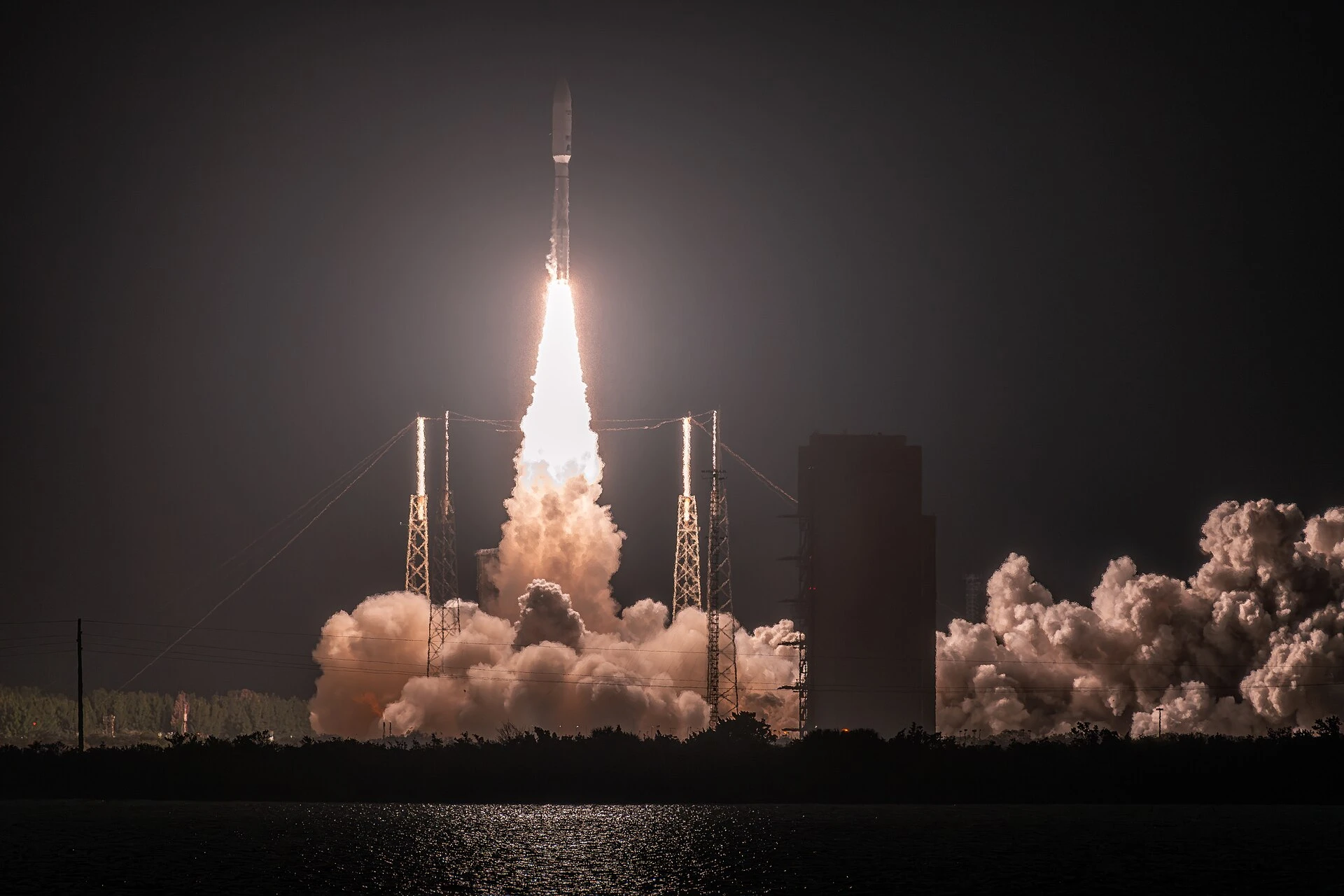
By July 2026, Amazon Leo had more than 390 satellites in orbit for its broadband network, and the new direct-to-device plan would run alongside that system. The new direct-to-device plan would compete with SpaceX’s Starlink and other low-Earth-orbit contenders such as AST SpaceMobile.
A constellation of this scale would demand steady launches, long-term capital and constant satellite replacement.
Sources
- [1]reuters.com
- [2]cbsnews.com
- [3]qz.com
- [4]fcc.gov
- [5]satellitetoday.com
- [6]aboutamazon.com
- [7]engadget.com