Science
Amazon Molly Thrives for Millennia Without Males
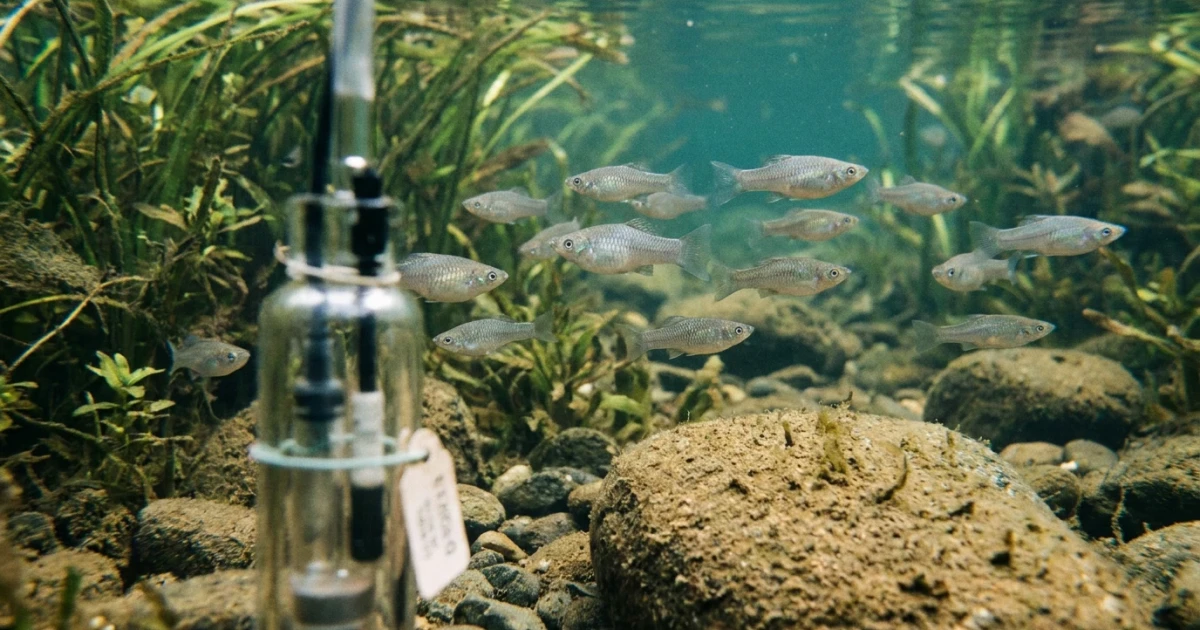
The Amazon molly (Poecilia formosa) has confounded evolutionary expectations by surviving and thriving for over 100,000 years without sexual reproduction. Despite long-held scientific assumptions that asexual vertebrate species face rapid extinction due to genetic decay, new research and expert analysis reveal why this remarkable fish persists—and even flourishes—across its native habitats.
How the Amazon Molly Defies Evolutionary Odds
The Amazon molly, native to freshwater systems in northeastern Mexico and southern Texas, reproduces through parthenogenesis, a process where females produce offspring without fertilization by males. According to FishBase data, every individual in the species is female, and each new generation is essentially a genetic clone of its mother.
- Parthenogenesis is rare among vertebrates and usually associated with short-lived lineages due to the accumulation of harmful mutations over time.
- Most asexual species, according to a comprehensive review, persist for only a few thousand generations before extinction.
Genetic Insights and Survival Strategies
Scientists have long predicted the Amazon molly’s demise, citing the lack of genetic recombination as a key vulnerability. However, recent genomic studies offer surprising insights:
- Amazon mollies appear to maintain higher-than-expected genetic diversity, possibly due to hybrid origins and occasional gene flow from related species.
- Mutation rates are relatively low, according to scientific reports, allowing clonal lineages to avoid rapid accumulation of deleterious mutations.
- Their unique reproductive strategy, called "gynogenesis," requires the presence of sperm from closely related species to trigger egg development, though the sperm’s DNA is not incorporated.
Ecological Success and Conservation Status
Far from being a relic on the brink of extinction, the Amazon molly has established robust populations throughout its range. The IUCN Red List classifies the species as "Least Concern," citing stable or increasing numbers and resilience to environmental changes.
- Amazon mollies can be found in a variety of freshwater habitats, including rivers, streams, and ponds.
- Their ability to exploit diverse environments and reproduce rapidly has helped them maintain strong population numbers.
Implications for Evolutionary Biology
The continued success of the Amazon molly challenges core tenets of evolutionary theory regarding the necessity of sexual reproduction for long-term survival in vertebrates. Ongoing research into their reproductive genetics and ecological adaptability may shed light on how other clonal species could persist in the wild.
This small fish stands as a living paradox—demonstrating that, under the right conditions, asexual lineages can defy expectations and thrive for millennia. As scientists continue to unravel the genetic and ecological secrets behind the Amazon molly’s resilience, its story offers fresh perspectives on adaptation, survival, and the complexity of evolution itself.