Business
Amazon Prime Day 2026 brings four days of deals across categories
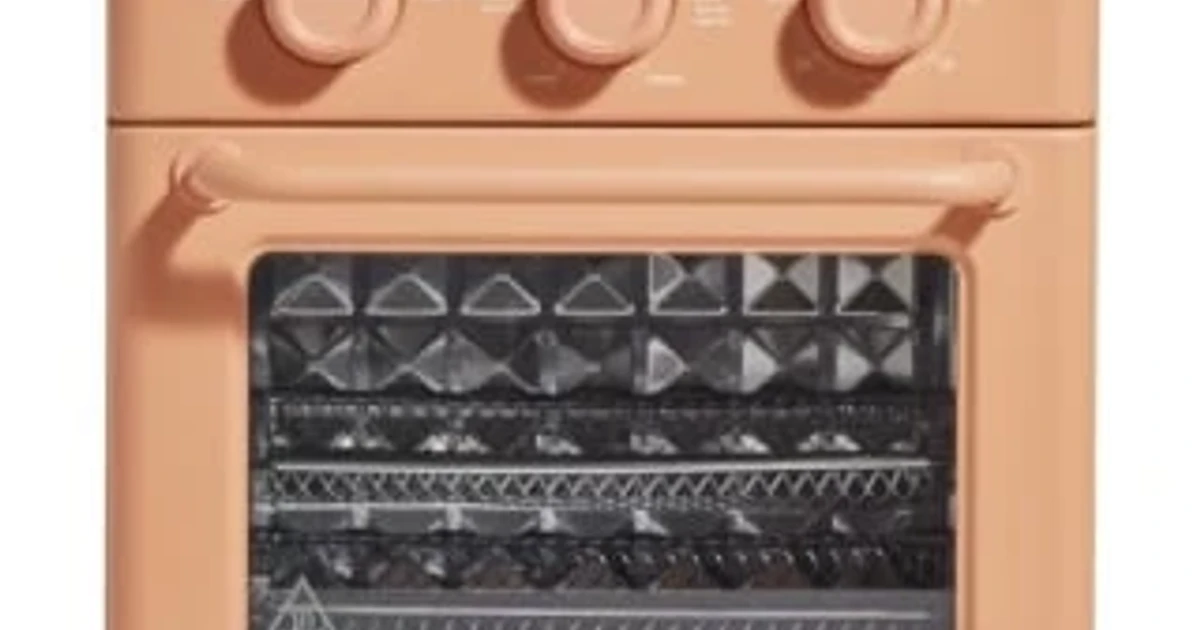
Prime Day’s four-day sale runs from June 23 through June 26 and ends at 11:59 p.m. PDT on June 26, with millions of deals across more than 35 categories. For shoppers, the pressure is to separate true discounts from the kind of markdowns that only look steep.
What Amazon is actually selling this year
Prime Day 2026 is built around volume and speed. New deals can drop as often as every five minutes during select periods, and Amazon is pushing shopping features such as Alexa for Shopping alongside category-specific promotions like Amazon Haul and Kindle deals. The sale remains exclusive to Prime members, while Amazon Business is also promoting offers for business customers during the event.
Launch markdowns include up to 40% off TVs, up to 30% off patio and outdoor items, up to 30% off trampolines, playsets and lawn mowers, up to 40% off laptops from HP and ASUS, and up to 40% off dorm essentials from Amazon Basics. Amazon is also leaning into groceries and other staples, including a sweepstakes tied to free groceries for a year, with 100 winners receiving $10,000 in Amazon.com Gift Cards.
Why this Prime Day matters beyond Amazon
Prime Day started in 2015 as a single-day event tied to Amazon’s 20th anniversary, then expanded over time as the company stretched the format to two days and, in 2025, to four days for the first time.
Adobe found Prime Day 2024 drove $14.2 billion in online sales across U.S. retailers, up 11% from a year earlier, and Adobe Digital Insights forecasts $26.3 billion in U.S. Prime Day spend in 2026. Walmart and Target have moved their competing summer promotions into the same late-June stretch, widening the fight over price, traffic and share of wallet.
How to tell a real deal from a staged markdown
The crossed-out price is not proof. To test whether a Prime Day discount is genuine, compare the sale price with the item’s recent everyday price, not just the original list price that appears on the page. A discount is more credible when it holds up against the item’s normal selling range before the event, not only against a high anchor that may have sat there for weeks.
A quick check should follow the same sequence every time:

- Look at the item’s recent pricing pattern, not only the Prime Day banner.
- Compare the same product across Amazon’s own sellers and competing retailers.
- Watch for bundle changes, smaller sizes or altered configurations that make a deal look better than it is.
- Decide whether the purchase was already on your list before the sale began.
Prime Day is designed to create urgency. The event rewards fast clicks, but it also increases the chance of buying something simply because it is moving.
Where the pressure is coming from
Prime Day lands at a moment when household budgets are still under strain, which helps explain why Amazon keeps emphasizing groceries, dorm necessities and household staples alongside discretionary categories like electronics and patio furniture. The sale pairs TVs, laptops and outdoor gear with the grocery sweepstakes and a push into everyday essentials.
A four-day sale gives Amazon more time to rotate promotions across categories, and it gives shoppers more opportunities to feel they are missing out. It also gives rival retailers more room to match or undercut the headline offers.
What to focus on before you buy
The strongest Prime Day purchases are usually the items you already know you need, especially when the discount is tied to a category with a clear benchmark, such as a laptop model, a TV size or a specific home appliance. On products like HP and ASUS laptops, or outdoor goods such as patio sets and lawn equipment, the real test is whether the sale price is meaningfully below the recent market norm.
Items most likely to deserve a closer look include: • Big-ticket electronics with a clear model number. • Household staples and grocery items that you would buy anyway. • Dorm and back-to-school basics where replacement value is easy to measure. • Practical home and outdoor gear where competing retailer prices are easy to compare.