Technology
Amazon to End New Book Downloads on Pre-2013 Kindles
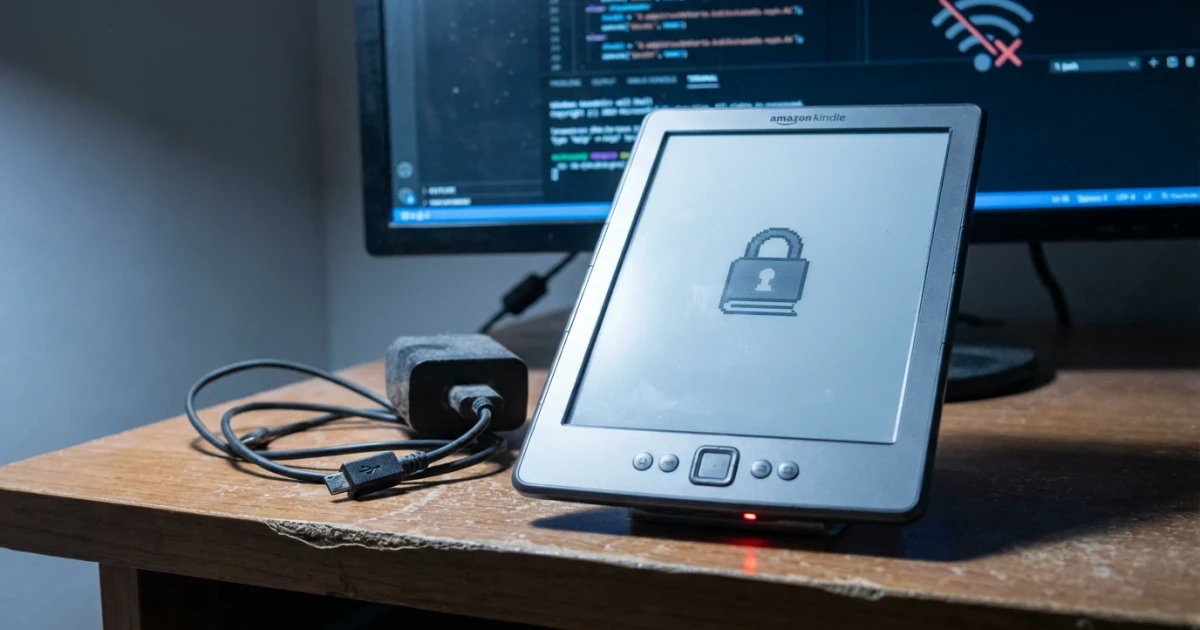
Amazon will soon end support for buying and downloading new books on pre-2013 Kindle e-readers, marking a significant shift for long-time users of the company’s earliest devices. The change, first reported by Ars Technica and The Verge, will take effect in May and affects a range of older Kindle and Kindle Fire models.
Key Changes for Legacy Kindle Owners
Starting in May, users of Kindle e-readers released before 2013 will no longer be able to purchase or download new e-books directly to their devices. Although previously purchased books will remain available for re-download, the affected Kindles will lose access to new content from the Amazon store. The company is also ending support for certain older Kindle Fire tablets, limiting their ability to access new content and services.
- All Kindle e-readers introduced prior to 2013 will be unable to buy or download new books
- Older Kindle Fire tablets will also lose access to the latest Amazon content services
- Existing books on the device will remain readable and can still be re-downloaded
Which Devices Are Affected?
This change applies to a range of models, including the original Kindle, Kindle Keyboard, Kindle Touch, and the first generations of the Kindle Paperwhite. For users unsure about their device, Amazon provides a detailed table listing all Kindle models and release years. The official device support page also outlines which devices will continue to receive updates and access to the Kindle store.
Background: Why Is Support Ending?
The primary reason for this move appears to be technological. Many pre-2013 Kindles use older networking protocols and APIs that are no longer compatible with Amazon’s current infrastructure. Additionally, maintaining security and software updates for legacy hardware has become increasingly challenging. Regulatory filings for these devices, found in the FCC database, confirm the age of the technology involved.
Amazon has thanked loyal customers for their years of use, but is encouraging users who wish to continue buying new books to upgrade to a newer model. The company has a comprehensive comparison table of current Kindle models to help users choose an updated device.
What Options Do Users Have?
While the move will certainly inconvenience some longtime Kindle fans, Amazon has stated that:
- Users can continue reading and re-downloading books they already own on their older devices
- Those wanting to purchase new books will need to use a newer Kindle model, or use the Kindle app for smartphones, tablets, or computers
- Trade-in programs and discounts for upgrading may be available, though details vary by region
Industry Context and Consumer Impact
Amazon’s decision follows a broader industry trend of phasing out support for aging hardware as software and security standards evolve. While the company has maintained support for these legacy devices for over a decade, the shift will particularly impact users who prefer the simplicity and durability of older, e-ink-only Kindles. According to historical Kindle software update records, some of these models last received updates several years ago.
For those affected, now is a good time to back up current e-books and consider future reading options. With Amazon’s hardware ecosystem continuing to evolve, users will need to weigh the benefits of upgrading against their attachment to legacy devices.