Technology
Amazon weighs selling custom chips to other data centers
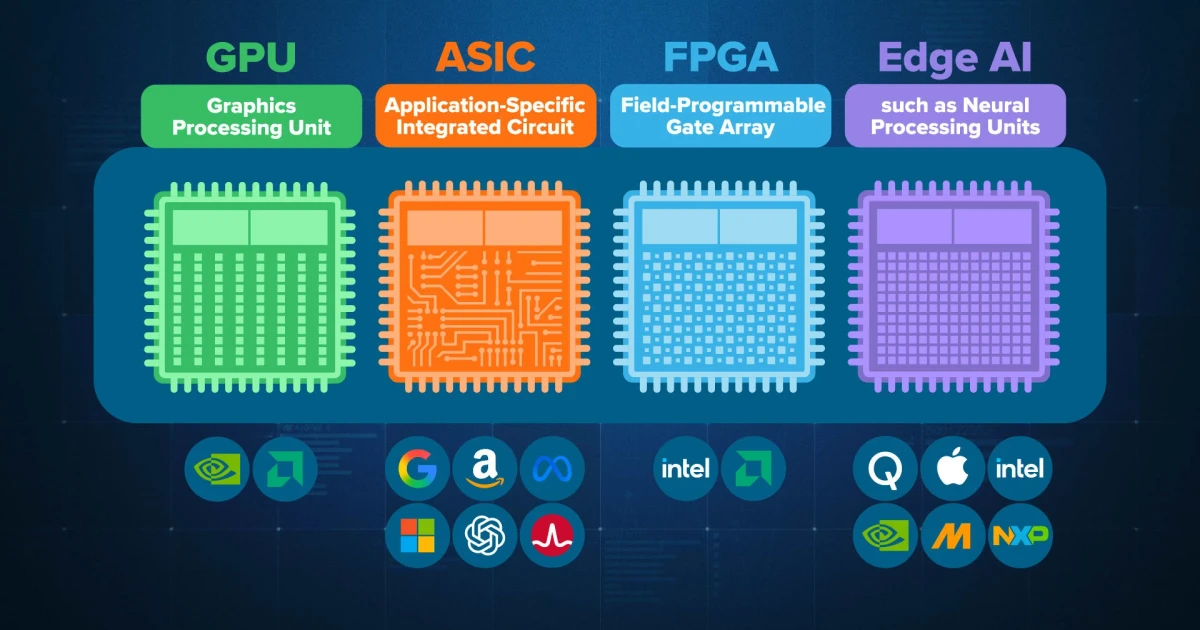
Amazon is weighing whether to sell its custom AI chips to outside data centers, a move that could push its silicon business from an internal advantage into a direct challenge to Nvidia in the broader market for AI accelerators. Andy Jassy has said the business could reach about $50 billion in annual run-rate revenue if chips produced this year were sold to AWS customers and third parties, a sign of how aggressively Amazon now sees the opportunity.
The scale is already large. Amazon said in April 2026 that its custom silicon business had surpassed a $20 billion annual revenue run rate and was growing at triple-digit percentages year over year. Jassy also described it as one of the top three data center chip businesses in the world. That portfolio spans Graviton CPUs, Trainium AI accelerators and Nitro infrastructure chips, giving Amazon a broader hardware stack than a single-purpose chip line.
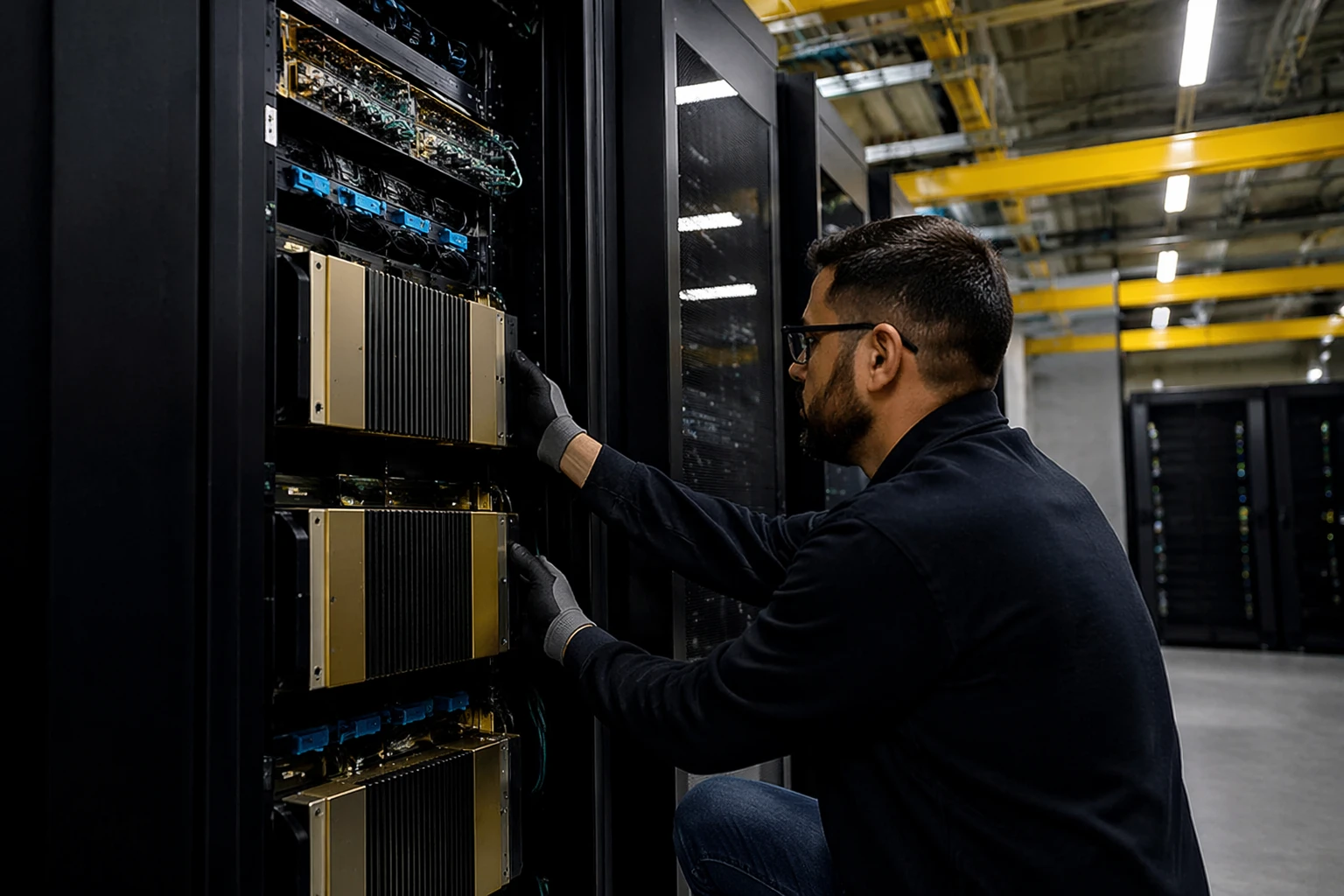
The commercial logic is straightforward: if Trainium can match Nvidia on price-performance for training and inference, Amazon could use pricing, supply and cloud integration to win share in a market where data-center operators have few alternatives. AWS markets Trainium as a purpose-built AI chip for training and inference at scale, while Inferentia handles AI inference. AWS says its Neuron software stack works with PyTorch, Hugging Face, TensorFlow and vLLM, a key requirement if Amazon wants outside buyers to adopt the chips without rebuilding their software pipelines from scratch.
Amazon’s customer commitments suggest the company sees real demand. It said Anthropic would secure up to 5 gigawatts of current and future Trainium generations, including significant Trainium3 capacity expected online in 2026. Amazon also said more than 100,000 customers run Anthropic Claude models on AWS, and it has highlighted Uber as a Trainium adopter. In addition, Amazon said OpenAI had made a multi-year Trainium commitment. Those relationships matter because they provide a base of proof that Amazon can use to persuade other operators that its chips can run at scale.
The bigger question is whether AWS can become more than another chip seller. To do that, Amazon would have to prove it can manufacture enough chips, support them outside its own cloud and preserve the performance edge that made the business attractive in the first place. Amazon’s 2026 shareholder materials also tied the chip push to its broader AI strategy, saying AWS AI revenue run rate was above $15 billion in the first quarter of 2026 and framing custom silicon as part of roughly $200 billion in planned 2026 capital spending. If the external sales effort gains traction, Amazon’s chip business could shift the balance of power in the data-center market, forcing buyers to bargain with a second serious supplier instead of relying so heavily on Nvidia.
Sources
- [1]techcrunch.com
- [2]aboutamazon.com
- [3]aws.amazon.com