Technology
Amazon’s Expanding AI Push Meets Worker Frustration
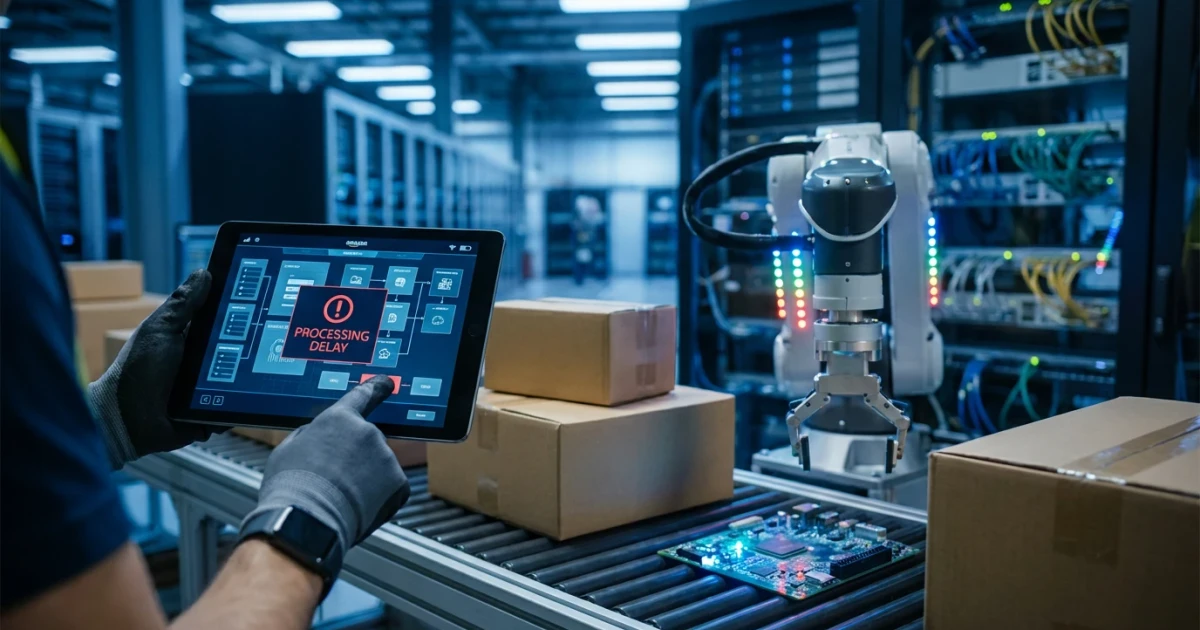
Amazon has become synonymous with technological innovation, and its latest push to embed artificial intelligence into nearly every aspect of its operations is reshaping how the company works. But as the global retail and logistics giant accelerates its AI adoption, employees are increasingly voicing frustration that the technology, rather than streamlining operations, is sometimes slowing them down.
Amazon’s All-In AI Strategy
Amazon’s commitment to using AI in its business is well-documented. The company leverages artificial intelligence to optimize product recommendations, manage inventory, coordinate delivery routes, and monitor worker productivity throughout its vast supply chain. According to Amazon’s official records, AI has become integral to functions ranging from warehouse robotics to cloud-based voice assistants.
The Guardian reports that Amazon’s leadership is determined to “use AI for everything,” pushing automation deeper into the company’s culture and operations. This ambition aligns with broader trends in the United States, where the adoption of AI technologies in large enterprises is rapidly increasing.
Slower Workflows and Employee Concerns
Despite promises of greater efficiency, Amazon’s AI rollout has not been universally popular. Workers in warehouses and fulfillment centers have reported that some AI-driven tools, intended to manage task assignments and optimize workflows, can actually slow down productivity. According to The Guardian, certain automation systems are so rigid that they prevent experienced employees from using their judgment or adapting to real-world conditions, leading to bottlenecks and delays.
- AI scheduling systems can over-optimize, causing confusion about task priorities
- Automated quality checks sometimes flag non-issues, requiring extra steps for resolution
- Some employees say productivity metrics tracked by AI do not reflect actual workload complexity
These frustrations underline a disconnect between the promise of AI-driven efficiency and the day-to-day reality for many Amazon employees. Some workers believe that, while AI can be powerful, the current implementation often prioritizes automation over practical workplace needs.
Balancing Automation with Human Experience
Amazon’s drive to automate is part of a larger industry movement. Pew Research Center has found that many workers across the U.S. are both optimistic and anxious about the increasing use of AI in their industries. The challenge for companies like Amazon is ensuring that technology enhances, rather than hinders, employee performance and well-being.
While some AI initiatives have delivered measurable gains—such as faster delivery routes and improved fraud detection—others appear to need more refinement. The Guardian notes that Amazon has not shied away from rapid experimentation, but the company’s “AI everywhere” approach sometimes overlooks the nuances of complex, human-centered jobs.
Looking Ahead
As Amazon continues to invest in AI, the company faces growing pressure to balance technological innovation with workforce satisfaction. Whether Amazon can fine-tune its systems to deliver on the promise of AI-driven productivity without alienating its employees remains to be seen. For now, the company’s pursuit of automation highlights both the potential and the pitfalls of embracing artificial intelligence at scale.