US News
American Journalist Shelly Kittleson Released in Iraq
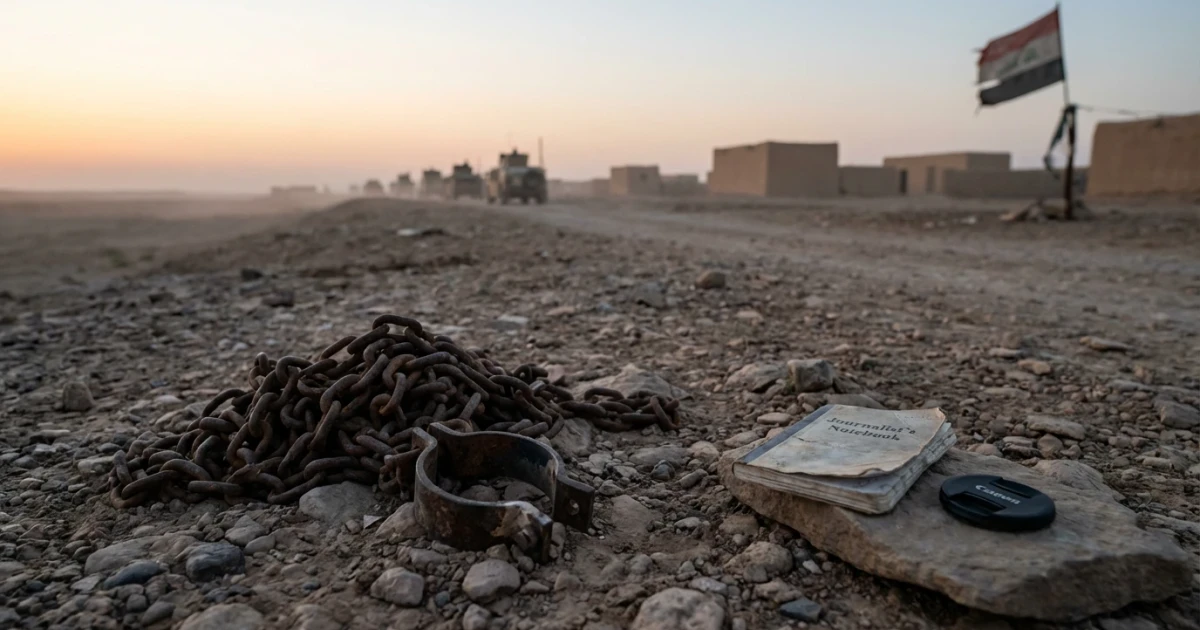
Shelly Kittleson, an American journalist who was abducted in Iraq, has been released, according to reports from multiple outlets. Kittleson’s release, announced by a pro-Iran militia group, highlights the persistent dangers faced by journalists operating in complex and volatile environments such as Iraq.
Details of the Abduction and Release
Kittleson was reportedly taken by a militia group in Iraq, with her captivity drawing concern from both local and international press freedom advocates. The militia, which is believed to have ties to Iran, stated that they had "decided to release" Kittleson. The circumstances leading up to her abduction and the negotiations for her release have not been fully disclosed.
Her abduction follows a troubling pattern of journalists facing threats, abductions, and violence in Iraq, a country that has long been considered one of the most dangerous places in the world for members of the press. According to the Reporters Without Borders country report, Iraq has seen numerous cases of journalist kidnappings, attacks, and intimidation, particularly in areas where armed groups operate with significant autonomy.
Risks Facing Journalists in Iraq
- Iraq remains among the countries with the highest number of journalists killed since 2003.
- The Committee to Protect Journalists maintains a comprehensive database documenting attacks, abductions, and killings targeting journalists in the region.
- International humanitarian law, as outlined by the International Committee of the Red Cross, provides protections for journalists, but enforcement remains challenging in conflict zones.
Although the overall security situation in Iraq has improved in recent years, journalists remain at risk, especially when reporting on sensitive topics such as militia activity, government corruption, or human rights abuses. Human Rights Watch notes in its 2024 World Report that the space for independent journalism in Iraq continues to be threatened by both state and non-state actors.
International Response and Press Freedom Concerns
The abduction and subsequent release of Kittleson drew swift reactions from press freedom organizations and diplomatic channels. While her safe return is a relief, advocacy groups emphasize that such incidents have a chilling effect on press freedom and highlight the need for stronger protections for journalists worldwide.
Organizations like UNESCO and Reporters Without Borders continue to call for accountability in cases of violence against journalists and for governments and armed groups to respect the role of the press, particularly in regions affected by conflict and instability.
Looking Ahead
Kittleson’s experience is a stark reminder of the risks faced by journalists documenting events in conflict zones. Her release is a positive development, but the broader climate for press freedom in Iraq remains precarious. As international organizations and advocates keep pressure on all parties to respect journalist safety, the need for vigilance and support for the free press is more urgent than ever.