World
American Journalist Shelly Kittleson Reported Kidnapped in Baghdad
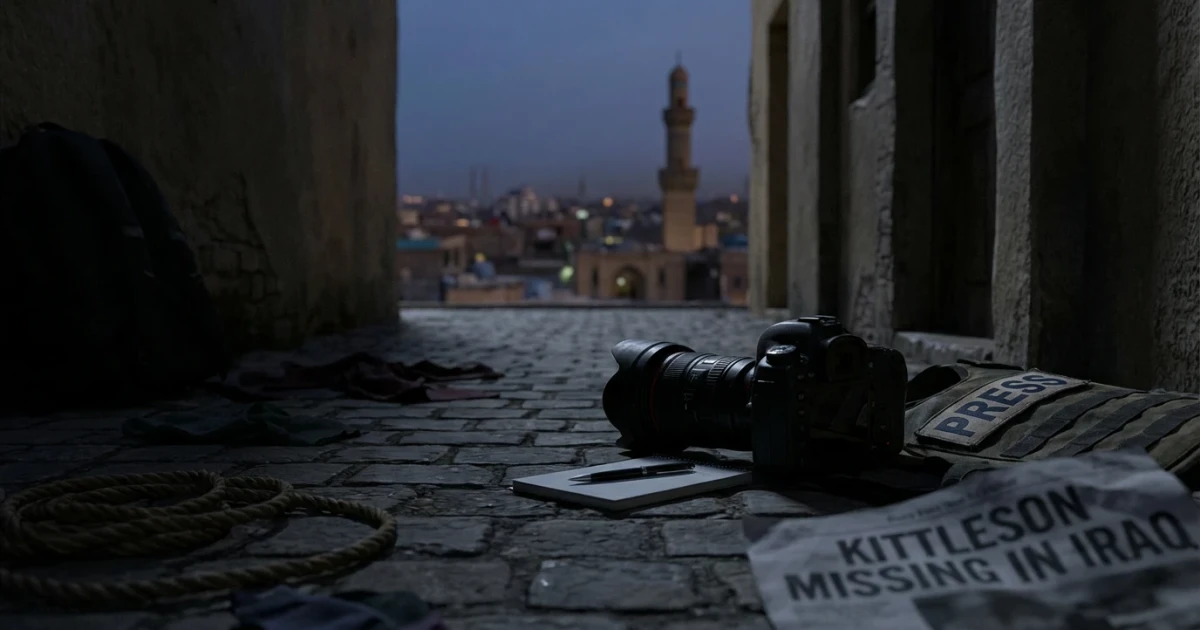
Shelly Kittleson, an American journalist, has been reported kidnapped in Baghdad, according to The Washington Post. The incident underscores persistent dangers facing both foreign and local reporters operating in Iraq, where kidnappings and attacks on journalists remain a critical concern.
Incident Details
The Washington Post reported that Shelly Kittleson was abducted in the Iraqi capital. While specific circumstances of the kidnapping were not immediately disclosed, the incident adds to a troubling pattern of threats against journalists in the region.
Risks for Journalists in Iraq
Iraq has long been considered one of the most hazardous countries for media professionals. Data from the Committee to Protect Journalists reveals that dozens of journalists have been killed, kidnapped, or threatened in Iraq over the past two decades. According to Reporters Without Borders, kidnappings and arbitrary detentions remain prevalent, with Iraq repeatedly ranking among the most dangerous environments for press freedom.
- Journalists in Iraq have faced risks ranging from militant attacks to criminal abductions.
- Foreign correspondents, such as Kittleson, are often considered high-value targets by kidnappers seeking ransom or leverage.
The U.S. Department of State's annual human rights report highlights persistent threats, noting that media workers in Iraq face violence, intimidation, and kidnapping, particularly in areas with active armed groups or weak rule of law.
Kidnapping Trends in Iraq
Kidnapping remains a pervasive security threat in Iraq, affecting not only journalists but also businesspeople, aid workers, and local citizens. According to the United Nations Office on Drugs and Crime, kidnapping rates in Iraq remain among the highest in the region, with Baghdad frequently cited as a hotspot due to its complex security environment.
Analysis from the International Committee of the Red Cross emphasizes that kidnappings in Iraq are driven by a range of motives, including political leverage, ransom, and sectarian tension. Journalists, particularly those reporting on sensitive topics, are especially vulnerable to such threats.
International Response and Safety Measures
The reported abduction of Kittleson is likely to prompt renewed calls from international organizations for enhanced protection of journalists in Iraq. Organizations such as Reporters Without Borders and the Committee to Protect Journalists regularly advocate for accountability in cases of violence against media workers and for the implementation of safety protocols by news organizations.
Foreign correspondents are generally advised to follow strict security guidelines, including working with local fixers, using secure transportation, and maintaining contact with embassies and employers in the event of a crisis. The U.S. government frequently updates its travel advisories and works with Iraqi authorities to respond to incidents involving American citizens abroad.
Ongoing Concerns
While the specific motivations and perpetrators behind Shelly Kittleson's kidnapping remain unclear, the event serves as a stark reminder of the unresolved security challenges facing journalists in Iraq. The international community continues to monitor developments closely, urging for the safe return of Kittleson and the protection of all media professionals operating in high-risk environments.
For readers seeking to explore the data on journalist safety, press freedom violations, and kidnapping trends in Iraq, comprehensive statistics are available through the Committee to Protect Journalists, Reporters Without Borders, and the United Nations Office on Drugs and Crime.
The situation continues to develop as authorities and advocacy groups work to secure Kittleson's release and address the broader issues of journalist safety in Iraq.