Lifestyle
American Tourists Face Fines Over Device Bans Abroad
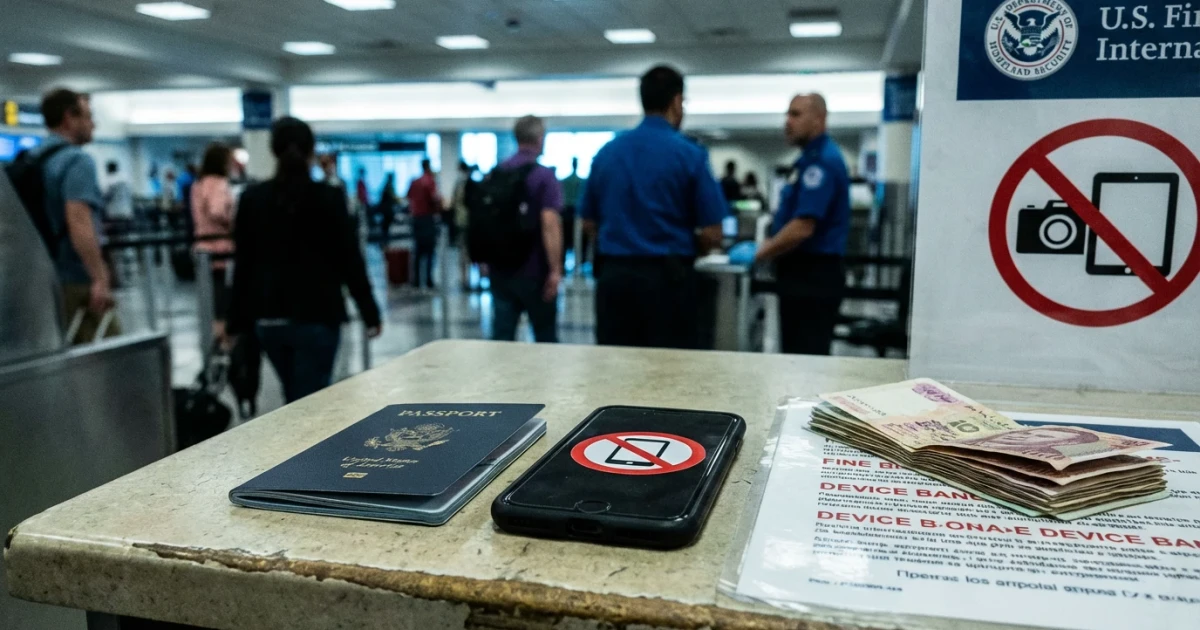
American travelers are being urged to check local laws on electronic devices after reports surfaced that a U.S. tourist was detained and fined $1,200 for carrying a banned device in a popular international destination. The incident, highlighted by TheTravel, has sparked renewed attention on customs and security restrictions faced by travelers abroad, particularly in regions with strict import and use regulations for electronics.
Incident Highlights Legal Risks for Tourists
TheTravel reported that police in a major tourist hub detained an American visitor and imposed a $1,200 fine after discovering an electronic device that was prohibited under local law. While the specific country was not named, the report underscores a growing trend of stricter enforcement of device bans, especially in regions concerned with data privacy, smuggling, or unauthorized technology use.
- Many countries maintain customs and import restrictions on electronics, including drones, GPS trackers, and high-powered cameras.
- International airports follow security regulations that may require travelers to declare or surrender certain devices.
- Penalties for violations can include fines, confiscation of property, or even detention, according to official guidance from the U.S. Department of State.
Why Electronic Devices Are Targeted
Countries popular with American tourists have increasingly moved to regulate the import and use of electronic devices for a variety of reasons:
- Safeguarding national security and preventing espionage
- Ensuring compliance with local communications and privacy laws
- Controlling the spread of unlicensed or potentially harmful technology
Data from the UN World Tourism Organization shows that millions of Americans travel to destinations in Europe, Asia, and the Middle East annually, many of which have unique import rules for electronics.
What Travelers Need to Know
Travel and security experts emphasize the importance of pre-trip research. The U.S. Department of State’s customs guidance and the UK Government’s foreign travel advice provide up-to-date information on country-specific restrictions, including electronics bans, fines, and entry requirements.
- The TSA's 'What Can I Bring?' page helps travelers understand what is allowed on U.S. flights, but travelers should cross-reference with destination country rules.
- Some countries require permits for devices like drones or satellite equipment; unauthorized use can result in confiscation and legal repercussions.
- Failure to comply with local laws can have severe consequences, as highlighted by the recent $1,200 fine imposed on the American tourist.
Growing Enforcement in Tourist Hotspots
According to Statista tourism statistics, destinations with high tourist volumes are stepping up enforcement at border checkpoints and airports, targeting electronics in particular. This comes amid rising concerns over privacy, data security, and unlicensed broadcasting equipment.
TheTravel’s report warns that enforcement can be unpredictable, with some tourists reporting little scrutiny while others face stringent inspections. This inconsistency makes it all the more important for travelers to prepare thoroughly and err on the side of caution.
Safety Tips for International Travelers
- Check official government travel advisories and customs regulations before departure.
- Declare all electronics when required, and carry any necessary permits or documentation.
- Be aware that airport security staff may inspect devices for compliance with local laws.
- If detained or fined, contact the nearest U.S. embassy or consulate for assistance.
Looking Ahead
With the number of Americans traveling overseas rebounding, experts expect continued enforcement of electronics bans and further updates to travel regulations in popular destinations. Travelers are advised to stay informed by consulting official sources and erring on the side of caution to avoid costly and stressful encounters with foreign authorities.