Health
American Vaccination Rates Plummet: Unraveling the Causes of a Public Health Crisis
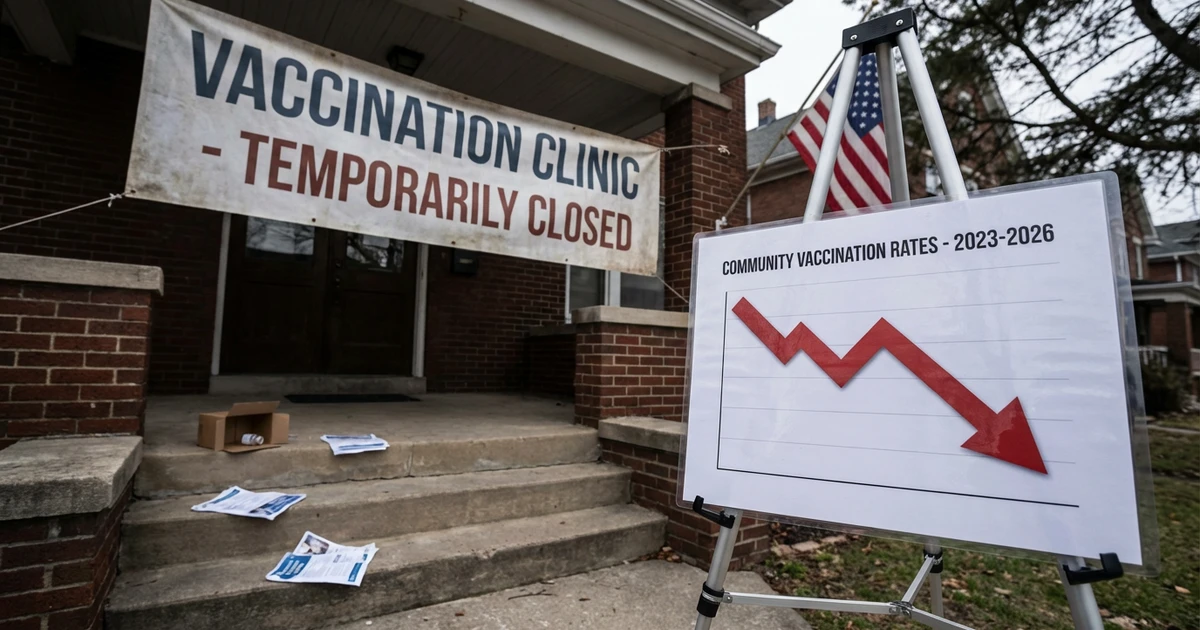
America is witnessing a dramatic decline in vaccination rates, a development that public health experts warn could spark a resurgence of preventable diseases and deeply impact national health outcomes. Recent shifts in federal policy and rhetoric, particularly under US Health Secretary Kennedy, have fueled unease among vaccine manufacturers and the broader medical community.
The Collapse in Vaccination Uptake
After decades of steady progress in immunization coverage, the United States now faces a shocking collapse in vaccination rates. This downward trend, highlighted by multiple health data releases, is particularly evident among routine childhood vaccinations as well as adult boosters for diseases such as influenza and COVID-19.
- Childhood vaccinations: Recent figures indicate a significant year-over-year decline in rates for core immunizations like MMR (measles, mumps, rubella) and DTaP (diphtheria, tetanus, pertussis).
- Adult boosters: Uptake for seasonal flu shots and updated COVID-19 vaccines has dropped sharply compared to previous years.
Policy and Rhetoric Under Health Secretary Kennedy
The policy landscape has shifted since the appointment of US Health Secretary Kennedy, whose public statements have expressed skepticism toward some established vaccine practices. This rhetoric has had a measurable impact, according to both health officials and industry insiders.
Vaccine manufacturers have reported a "chill" in the market, with orders from public and private sectors slowing and investment in new vaccine research wavering. The effect has cascaded through the public health system, with local health departments reporting lower turnout at vaccination clinics and increased hesitancy among parents and caregivers.
Consequences for Public Health and Industry
The implications of declining immunization rates are far-reaching:
- Risk of outbreaks: Lower vaccination coverage increases the risk of outbreaks for diseases previously under control, such as measles and whooping cough.
- Strain on healthcare: Hospitals and clinics could see a surge in preventable illnesses, adding cost and complexity to the healthcare system.
- Industry uncertainty: Vaccine producers face an uncertain future, with some companies considering scaling back US operations or halting development of new products tailored to the American market.
Calls for Restoring Trust
Amid these challenges, public health leaders and some policymakers are urging a renewed focus on restoring trust in vaccines. Strategies discussed include transparent communication of vaccine safety data, community outreach, and efforts to counter misinformation. Many experts stress that rebuilding confidence will require bipartisan cooperation and clear leadership from federal agencies.
Looking Forward: The Path to Recovery
While the current outlook is troubling, there remains hope that public health campaigns and renewed policy focus can reverse the tide. Restoring vaccination rates will be critical to safeguarding individual and community health and ensuring the stability of America’s public health infrastructure.
For more information on vaccine safety and public health guidance, visit the CDC Vaccines homepage.
Sources
- [1]Slow Boring