Business
Americans Brace for Rising Gas Prices Amid Global Tensions
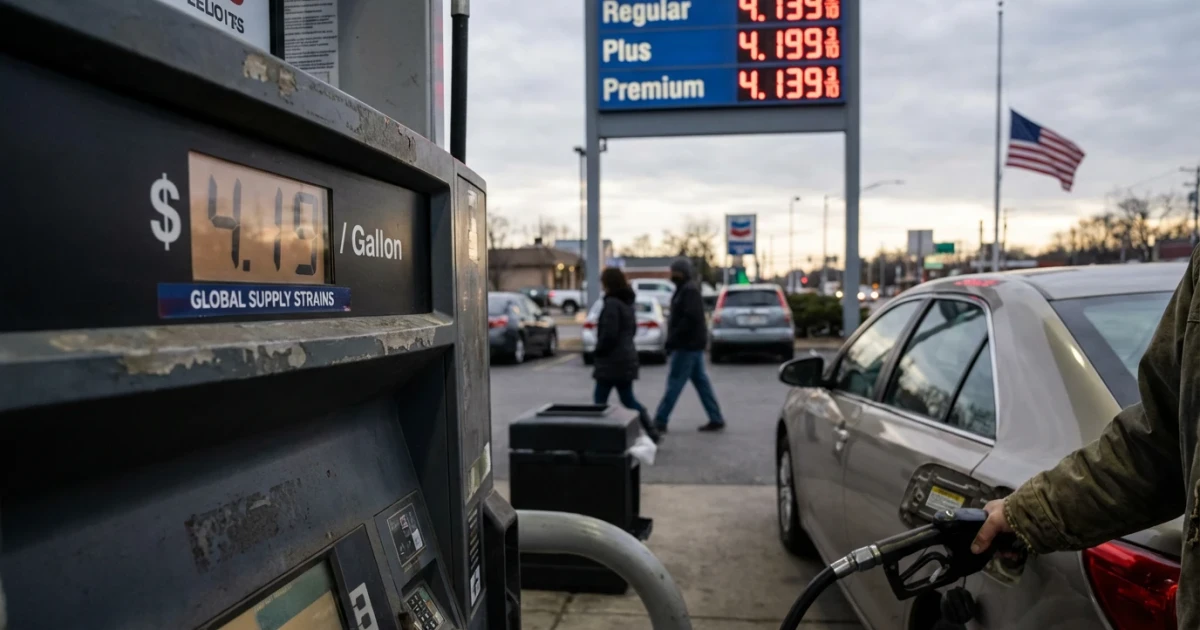
Millions of Americans are facing a familiar challenge as gasoline prices edge closer to the $4 per gallon mark, fueled by renewed geopolitical unrest in the Middle East. With the Iran war disrupting global oil supply chains, families and commuters are now seeking ways to protect their finances against the impact of rising fuel costs.
Why Gas Prices Are Climbing
The recent surge in prices at the pump is directly linked to escalating conflict in the region, which has historically been a critical supplier of crude oil. As reported by The Washington Post, the war has upended global expectations and led to higher costs for refineries, which are passed down to consumers. Price spikes like these are not just a reflection of immediate supply shortages but also market fears about prolonged instability.
- According to the U.S. Energy Information Administration, the average national price for regular gasoline has spiked over the past month, approaching $4 per gallon in several regions.
- Federal Reserve Economic Data shows that current prices are nearing levels seen during previous global crises, with historical weekly average price charts tracing the pattern.
Impact on Household Budgets
Rising fuel prices affect more than just the cost of filling up a tank—they ripple through household budgets, impacting commuting costs, family trips, and even the price of consumer goods delivered by truck. As The Washington Post column highlights, many Americans are now looking for ways to ‘war-proof’ their finances as these costs climb.
For many, this means revisiting their budgeting strategies to ensure essential expenses like fuel don’t outpace income. The Consumer Financial Protection Bureau offers tools and resources to help households adjust spending plans, track energy costs, and identify areas where savings are possible.
How to Manage Higher Fuel Costs
Experts recommend a series of practical steps to help manage the financial strain of rising gas prices:
- Monitor gas prices in your area using resources like the AAA interactive map to find lower-cost stations and optimize fill-ups.
- Review the IRS’s standard mileage rates to ensure accurate reimbursement for business or medical travel.
- Consider carpooling, using public transportation, or combining errands to reduce overall fuel consumption.
- Track monthly gasoline spending and compare it to other recurring expenses. The Bureau of Labor Statistics offers detailed tables of average prices for easy reference.
Looking Ahead
While energy analysts expect continued volatility as long as tensions persist, some projections suggest that prices may moderate if supply routes stabilize or if U.S. production ramps up in response. In the meantime, staying informed and adjusting budgets remain the best defense for consumers preparing for further increases at the pump.
For those seeking deeper insights into the drivers behind recent price movements or looking for the latest projections, the EIA’s Short-Term Energy Outlook offers monthly updates and expert analysis.
As price pressures continue, American households are reminded of the importance of flexibility and financial planning—ensuring that, even amid global uncertainty, their budgets remain resilient.