US News
Americans debate the best way to cook hot dogs
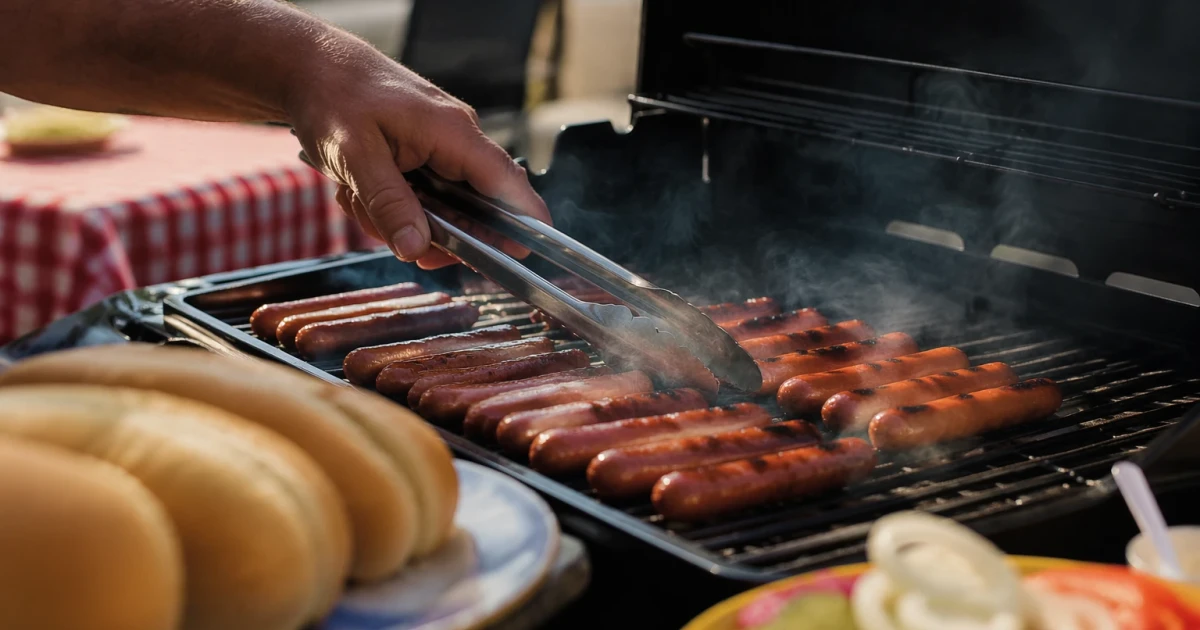
The hot dog is both a menu item and a ritual, which is why the cooking debate never really goes away. For July 4 cookouts and other summer gatherings, the best method is the one that balances flavor, speed and food safety, especially when one batch may need to feed a whole table at once.
What a hot dog actually is
The Food Safety and Inspection Service treats frankfurters, including hot dogs, wieners and bologna, as cooked and or smoked sausages. They can be made from beef, pork, turkey, chicken or combinations of meats, and the label has to tell you which one you are buying. That matters because the word hot dog sounds simple, but the product itself is not one single thing.
That variety also helps explain why the cooking debate persists. A beef frank, a turkey dog and a mixed-meat sausage do not all taste the same once heat hits them, and the label is the first clue to what you are actually putting on the grill. For families trying to serve a mixed crowd, the name on the package is as important as the recipe.
Food safety has to come before the char
The Food Safety and Inspection Service makes the central point plainly: harmful bacteria cannot be seen, smelled or tasted. That is why hot dogs should be handled carefully and cooked to proper temperatures with a food thermometer, not guessed at by color alone. The public-health message is straightforward, but it is easy to ignore when a cookout is busy and the grill is already crowded.
That warning matters most in group settings, from backyard parties to block gatherings and holiday picnics. When food is being cooked for a crowd, a mistake can spread across many plates at once, so the thermometer becomes the simplest tool for protecting everyone at the table. The safest method is not the flashiest one; it is the one that removes uncertainty.
Why grilling still wins the cultural argument
The National Hot Dog and Sausage Council, which is funded by contributions from hot dog and sausage manufacturers and the suppliers that serve them, has long framed hot dogs as iconic American foods. In a 2016 survey it commissioned, 63 percent of respondents said grilling was their favorite way to cook a hot dog, and a later council press release summarized that preference as 75 percent. Either way, grilling sits far ahead of steaming, microwaving, frying or campfire cooking in the American imagination.
That preference fits the holiday calendar. Britannica notes that hot dogs are among the foods Americans commonly eat on the Fourth of July, which is why the grill becomes the center of so many summer menus. The food is tied to outdoor eating, shared tables and the easy pace of a warm-weather gathering, and grilling delivers the flavor most people are looking for when the goal is a festive cookout.
Best choice for each situation
If you are feeding a large crowd outdoors, grilling is the clearest answer. It matches the way most Americans already want to eat a hot dog, and it lets you cook in batches while keeping the holiday rhythm moving. For a July 4 backyard with relatives, neighbors and kids rotating through the line, the grill gives you the most familiar mix of smoke, browning and speed.
If you want more flavor without abandoning the grill, the council’s cooking tips for linked sausage offer a useful technique: par-boil in beer before browning. The guidance suggests adding water to cover the sausage and par-boiling for about 10 to 15 minutes, and it notes that stronger beers can add more flavor. That approach is especially useful when you want a deeper savory note before the final sear.
If your top concern is safety, the answer is not a different kind of hot dog but a better habit. Use a food thermometer, cook to the proper temperature and do not rely on sight, smell or taste to tell you whether the sausage is ready. That rule applies no matter how festive the table looks, and it is the most practical safeguard for families, church picnics and neighborhood celebrations alike.
From German sausage traditions to American cookout staple
Hot dogs are usually traced to German sausage traditions, and Britannica says Frankfurt and Vienna both claim the sausage’s birthplace. German immigrants brought the food to New York in the 1860s, where street vendors sold them as “dachshund sausages.” The name and the route tell a larger story: a European sausage became an American street food before it became a backyard staple.
That history helps explain the hot dog’s social reach. It moved from immigrant neighborhoods into the national summer calendar, showing up at family gatherings, picnics and Fourth of July tables across the country. The result is a food that carries both tradition and convenience, which is exactly why the question of how to cook it still feels so personal.
In the end, the best hot dog method depends on the moment, but the hierarchy is clear. Grill when you want the classic holiday experience, par-boil first when you want extra flavor, and always use a thermometer so the food is as safe as it is satisfying.
Sources
- [1]npr.org
- [2]fsis.usda.gov
- [3]hot-dog.org
- [4]britannica.com