Lifestyle
Americans Embrace Restaurant Dupe Recipes at Home
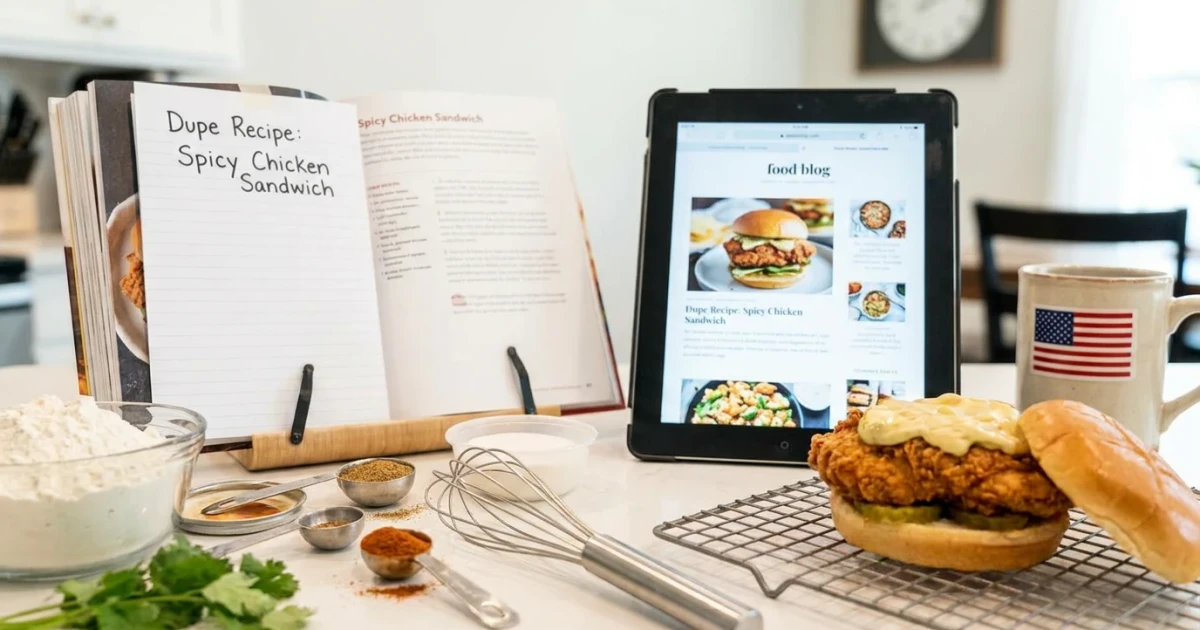
Americans are increasingly turning to homemade versions of their favorite restaurant dishes, as the trend of 'restaurant dupes' continues to gain traction among home cooks. With a growing number of people searching for ways to bring the flavors of beloved chains and local eateries into their kitchens, this culinary movement reflects both changing consumer habits and a desire for value and creativity in home dining.
What Are Restaurant Dupes?
The term restaurant dupe refers to a homemade recipe designed to closely replicate a dish served at a popular restaurant. From fast-food staples like chicken sandwiches and fries to more complex entrees from casual dining chains, food enthusiasts are experimenting with ingredients and techniques to capture authentic flavors without leaving home. The New York Times reports that this trend has been fueled by social media, where viral recipe videos and detailed guides make it easier than ever for home cooks to attempt their own versions of menu favorites.
Why the Dupe Craze Is Growing
- Rising food costs: As menu prices climb, many consumers are looking for ways to enjoy restaurant-style meals for less. Data from the USDA Economic Research Service shows that spending on food-at-home continues to outpace food-away-from-home, signaling a shift toward more home cooking.
- Desire for customization and health: Home cooks can control portion sizes, ingredients, and nutritional content. Access to resources like USDA FoodData Central allows for easy comparison of nutritional profiles, empowering people to create healthier versions of their favorite meals.
- Influence of social media: Platforms such as TikTok and Instagram have made dupe recipes mainstream, with influencers and chefs sharing step-by-step recreations and hacks for everything from Starbucks drinks to Panda Express entrees.
Consumer Behavior and Market Impact
According to NPD Group analysis, the trend toward recreating restaurant meals at home has accelerated since the pandemic, as more Americans discovered the convenience and satisfaction of home cooking. The International Food Information Council's 2023 Food & Health Survey found that nearly 40% of U.S. adults have tried making a copycat version of a restaurant dish in the past year, with younger consumers leading the charge.
Market researchers at Mintel note that this movement is influencing grocery sales, with increased demand for branded sauces, spice blends, and specialty ingredients often featured in popular dupe recipes. Meal kit companies have also responded, offering kits that mimic restaurant experiences, further blurring the line between eating out and dining in.
Statistical Snapshot
- The U.S. restaurant industry remains robust, with over $900 billion in sales projected in 2026, but a growing share of meals are prepared at home.
- Restaurant traffic has held steady, yet the proportion of consumers who alternate between dining out and making restaurant-style meals at home continues to rise.
- The Pew Research Center finds that 72% of Americans cook at home at least several times a week, with a growing interest in experimenting with 'dupe' recipes.
Looking Ahead
As the dupe trend evolves, experts predict that restaurants may respond by offering more retail products and recipe partnerships, while home cooks continue to drive innovation. The popularity of recreating restaurant dishes at home is more than a passing fad—it's a reflection of changing values around food, budgeting, and creativity in the kitchen.
For those eager to try their hand at a restaurant dupe, resources are plentiful and the possibilities nearly endless. Whether it's a viral sandwich or a classic pasta dish, the restaurant dupe phenomenon is reshaping how Americans think about home cooking and dining out.