Politics
Americans Express Rising Concern Over Checks and Balances Under Trump
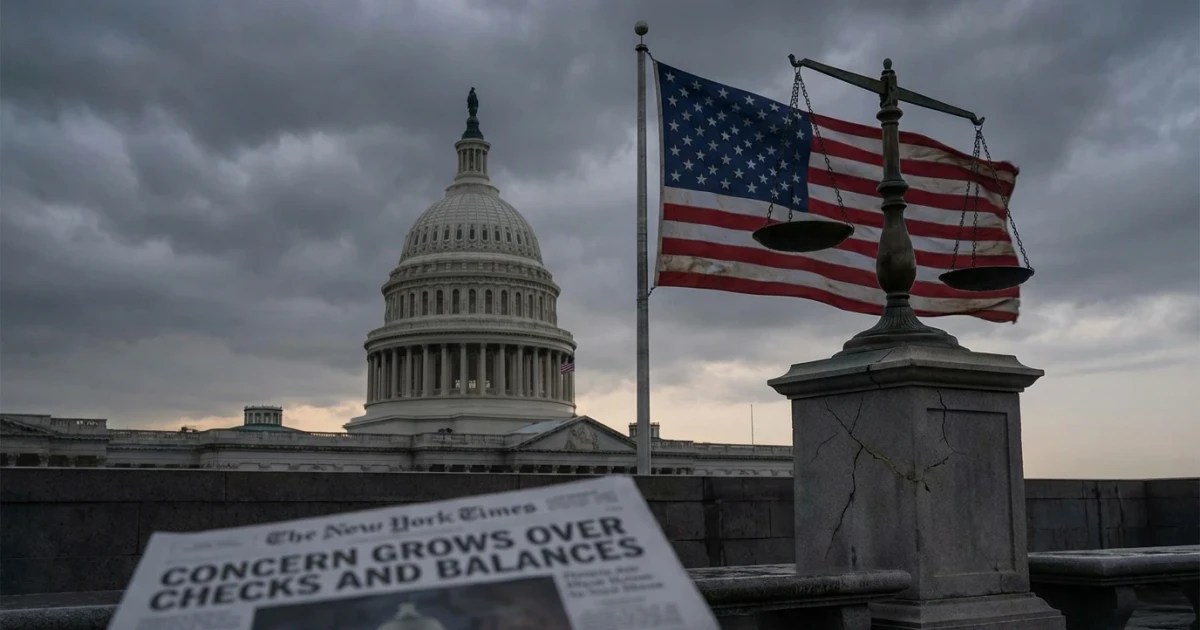
Public confidence in the U.S. system of checks and balances has eroded sharply during Donald Trump’s presidency, according to recent reports and survey data. As more Americans voice concern about the effectiveness of traditional safeguards, the debate over the resilience of the nation’s democratic institutions has intensified.
Majority of Americans Doubt Effectiveness of Checks and Balances
PBS recently highlighted that a growing majority of Americans now say checks and balances aren’t working as intended under the Trump administration. The report reflects a significant shift in public sentiment, with many citizens expressing doubts about whether the constitutional framework is adequately restraining presidential power and ensuring accountability.
- Surveys over the past decade have tracked a steady decline in public trust in government, with the most recent results showing historically low approval for the executive and legislative branches working together.
- Analysis from organizations such as Brookings and Lawfare underscores the growing perception that traditional oversight mechanisms have been under strain during the Trump years.
Constitutional Safeguards and Oversight Mechanisms
The U.S. Constitution established a system of checks and balances designed to prevent any one branch of government from overreaching its authority. This system relies on a combination of legislative oversight, judicial review, and executive restraint. In practice, however, the effectiveness of these mechanisms is subject to political will and public scrutiny.
The Trump presidency has brought multiple high-profile clashes between the executive branch and Congress, including impeachment proceedings, disputes over appropriations, and legal challenges to executive orders. Each of these episodes has tested the limits and flexibility of the checks and balances system.
Factors Behind the Declining Confidence
Several factors contribute to the declining public confidence in checks and balances:
- Partisan polarization: Deepening divides in Congress have made bipartisan oversight efforts more difficult, as highlighted by numerous standoffs over legislative subpoenas and investigations.
- Legal battles: Federal courts have often been called upon to resolve disputes between Congress and the White House, with varying outcomes. Readers can explore these cases on CourtListener, which archives federal court opinions and filings.
- Executive actions: The Trump administration has frequently used executive orders and directives to bypass traditional legislative processes, prompting debate over the proper scope of presidential authority.
- Impeachment and investigations: The release of the Mueller Report and subsequent impeachment proceedings illustrated both the strengths and weaknesses of congressional oversight, with mixed results in terms of accountability and transparency.
Public Opinion and Future Implications
The perception that checks and balances are not functioning as intended carries significant implications for the health of American democracy. As public trust continues to wane, experts warn that the system’s legitimacy could be undermined if institutional reforms are not pursued.
Legislative proposals aiming to strengthen oversight and clarify the boundaries of executive power are under discussion in Congress. Official records and the progress of these measures can be tracked on Congress.gov.
Expert Analysis and Looking Forward
While the checks and balances system was designed to withstand political turbulence, its effectiveness depends on continued vigilance by all three branches of government and the public. As the nation heads into another election cycle, calls for renewed commitment to institutional safeguards are growing louder—reflecting a widespread desire to restore confidence in the basic architecture of American democracy.