Business
Americans have spent $33 billion more on gas since Iran war began
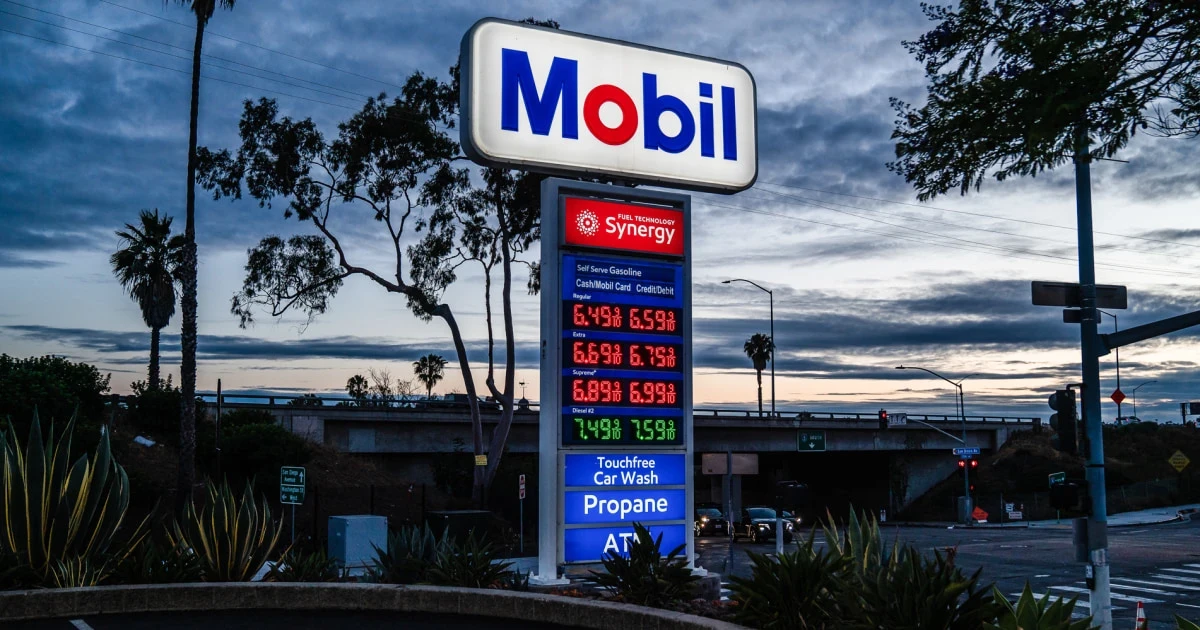
A driver who fills up twice a month has already paid anywhere from $20 to $300 more for gas since the Iran war began, turning a distant conflict into a direct hit on household budgets. For commuters, suburban parents shuttling children, and rural drivers with long trips and bigger tanks, the pain has shown up one receipt at a time.
NBC News estimated that Americans have spent $33 billion more on gas since the fighting started. The same analysis said U.S. gas prices were up nearly 40% after the United States and Israel launched the war, with the national average hovering around $4 per gallon and a calculator that updates daily using AAA data. That kind of move can add up fast: a family making two fill-ups a month is already seeing an extra bill that can rival a utility payment, a week of groceries, or a tank of diesel for a pickup.

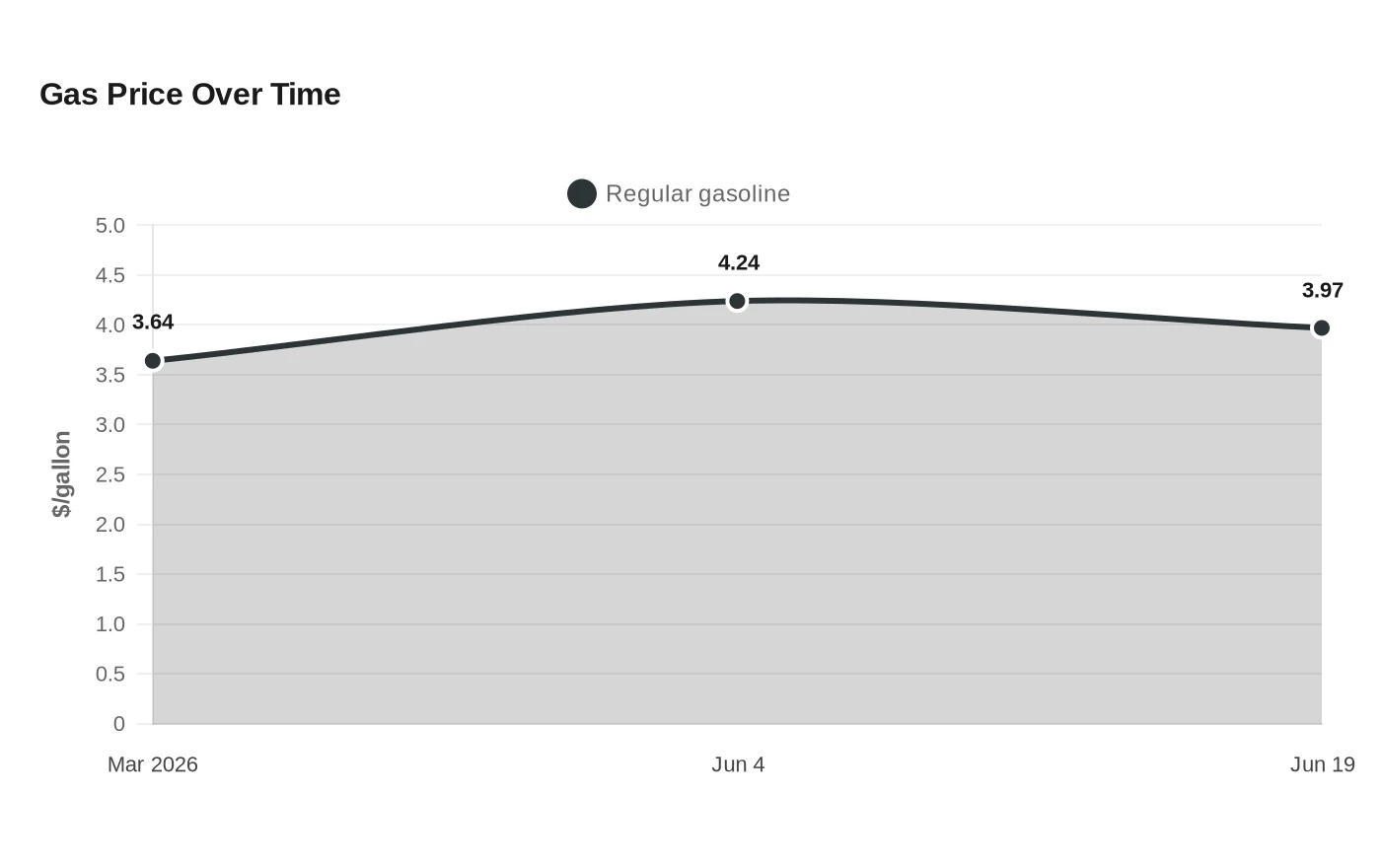
The price surge has not been smooth. AAA reported the national average for regular gasoline at $4.24 on June 4, then about $3.97 on June 19, a reminder of how quickly the market has swung. The Bureau of Transportation Statistics said the average price of regular motor gasoline was $3.64 per gallon in March 2026, up 25.1% from February and 17.5% from March 2025. Brown University’s Watson Institute has been tracking the extra gasoline and diesel costs beginning February 28, 2026, underscoring how quickly war risk can move from global headlines into local budgets.
The burden has been heaviest where driving is not optional. CNBC reported Moody’s Analytics data showing the average U.S. household had spent $447.19 more on fuel-related expenses since the conflict began, and roughly half of that extra energy spending came from higher gasoline prices. The Center for American Progress said rural households were paying at least $26 more per week at the pump, a figure that helps explain why the shock lands harder outside major transit corridors.
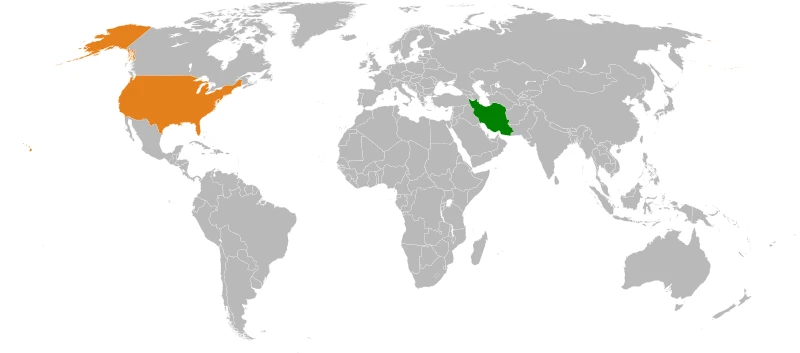
Analysts have warned that even a deal would not instantly unwind the damage. Shipping lanes, refining capacity, tanker logistics and broader supply chains can keep prices elevated for months, especially if the Strait of Hormuz remains under pressure as a critical passageway for global oil flows. That leaves American drivers exposed to a conflict premium that is showing up not just in weekly fill-ups, but in the broader inflation picture as well.
Sources
- [1]nbcnews.com
- [2]gasprices.aaa.com
- [3]bts.gov
- [4]cnbc.com
- [5]americanprogress.org
- [6]iranwarcost.watson.brown.edu
- [7]abcnews.com