US News
Americans’ pride in democracy and history falls to new lows
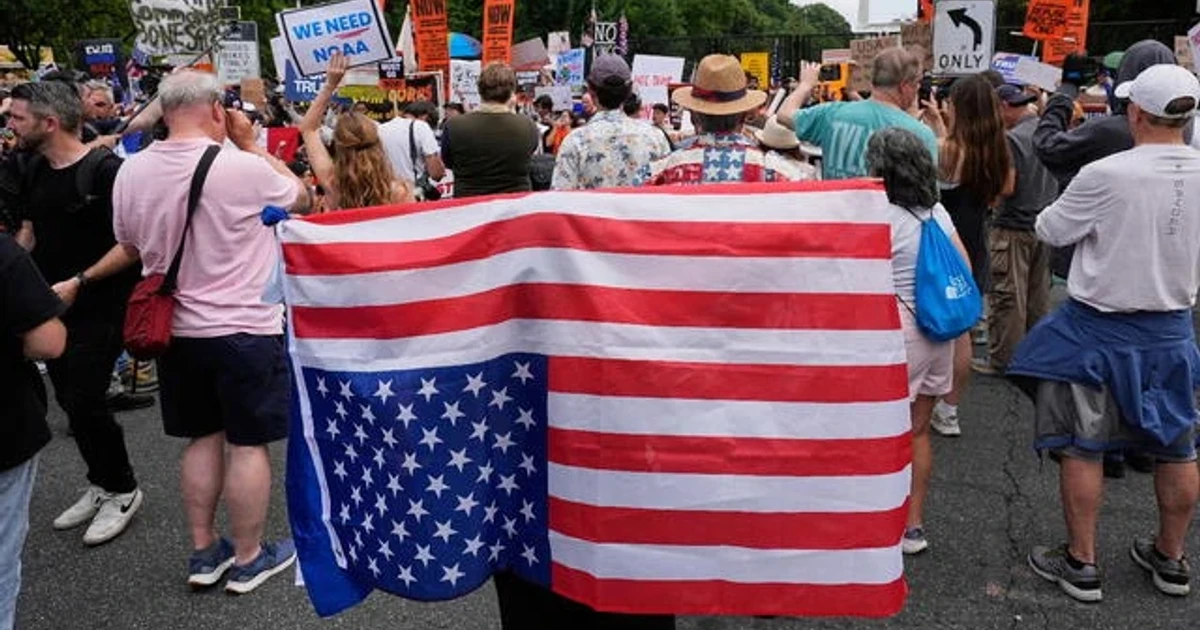
Pride in U.S. democracy and history has fallen to new lows in an AP-NORC poll of 2,596 adults conducted April 16-20, 2026, with Democrats and younger Americans far more skeptical than older adults. The survey found pride in the way U.S. democracy works down 14 percentage points since 2017, pride in the armed forces down 19 points and pride in U.S. history down 14 points, a sign that the country’s civic mood has weakened as political polarization, the pandemic, inflation and Donald Trump’s return to the White House have reshaped public life.
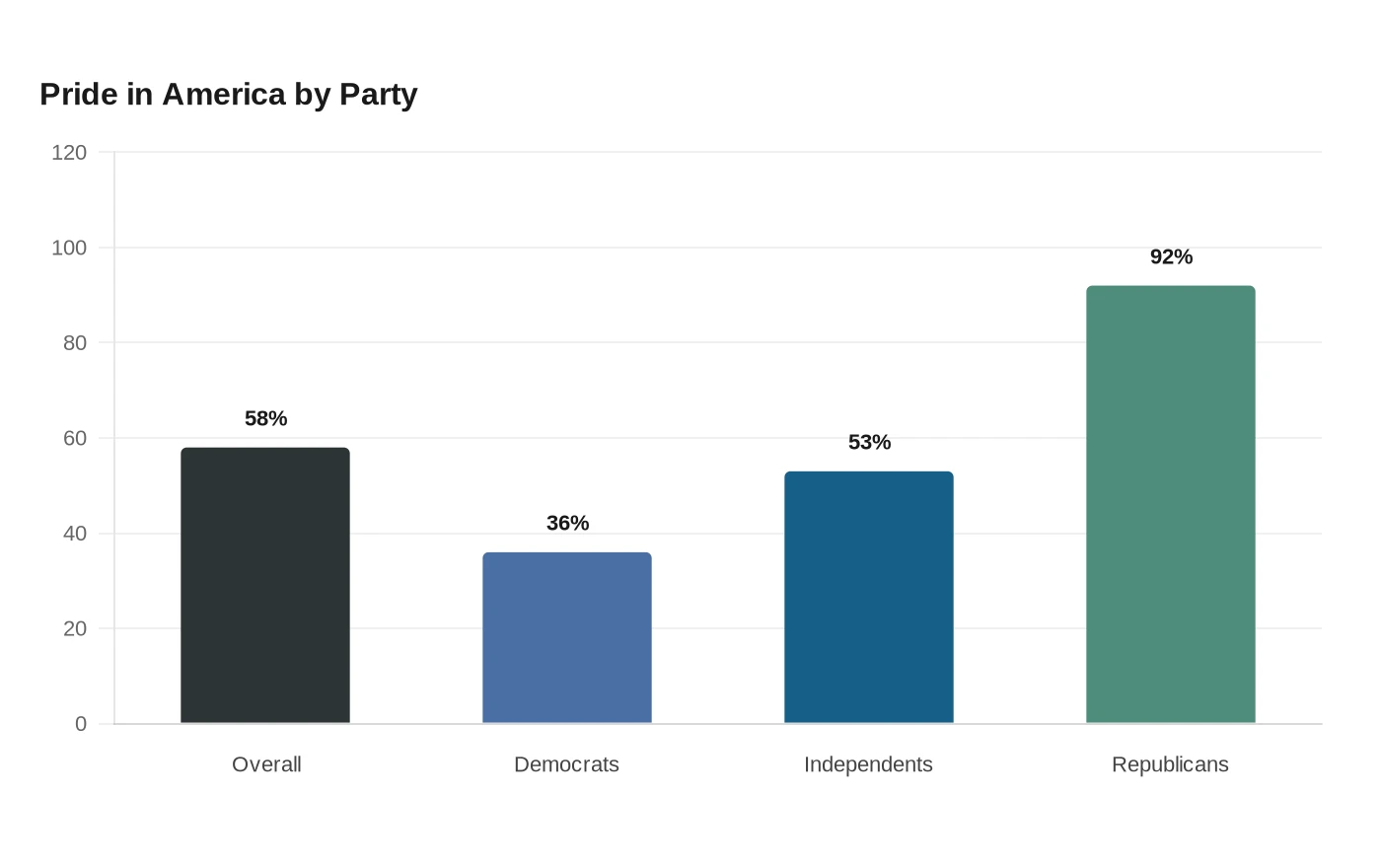
That erosion sits alongside a stubborn sense of national identity. Gallup’s June 2-19, 2025 poll found 58% of U.S. adults were extremely or very proud to be American, the lowest reading in that trend since 2001. The partisan split was stark: 36% of Democrats, 53% of independents and 92% of Republicans said they were extremely or very proud. Gallup’s longer trend shows pride surged after the Sept. 11, 2001 attacks, reached 90% in 2002-2004, and has deteriorated further since 2017. Gallup also noted that its June 2025 survey was conducted before the June 21, 2025 U.S. military action in Iran.
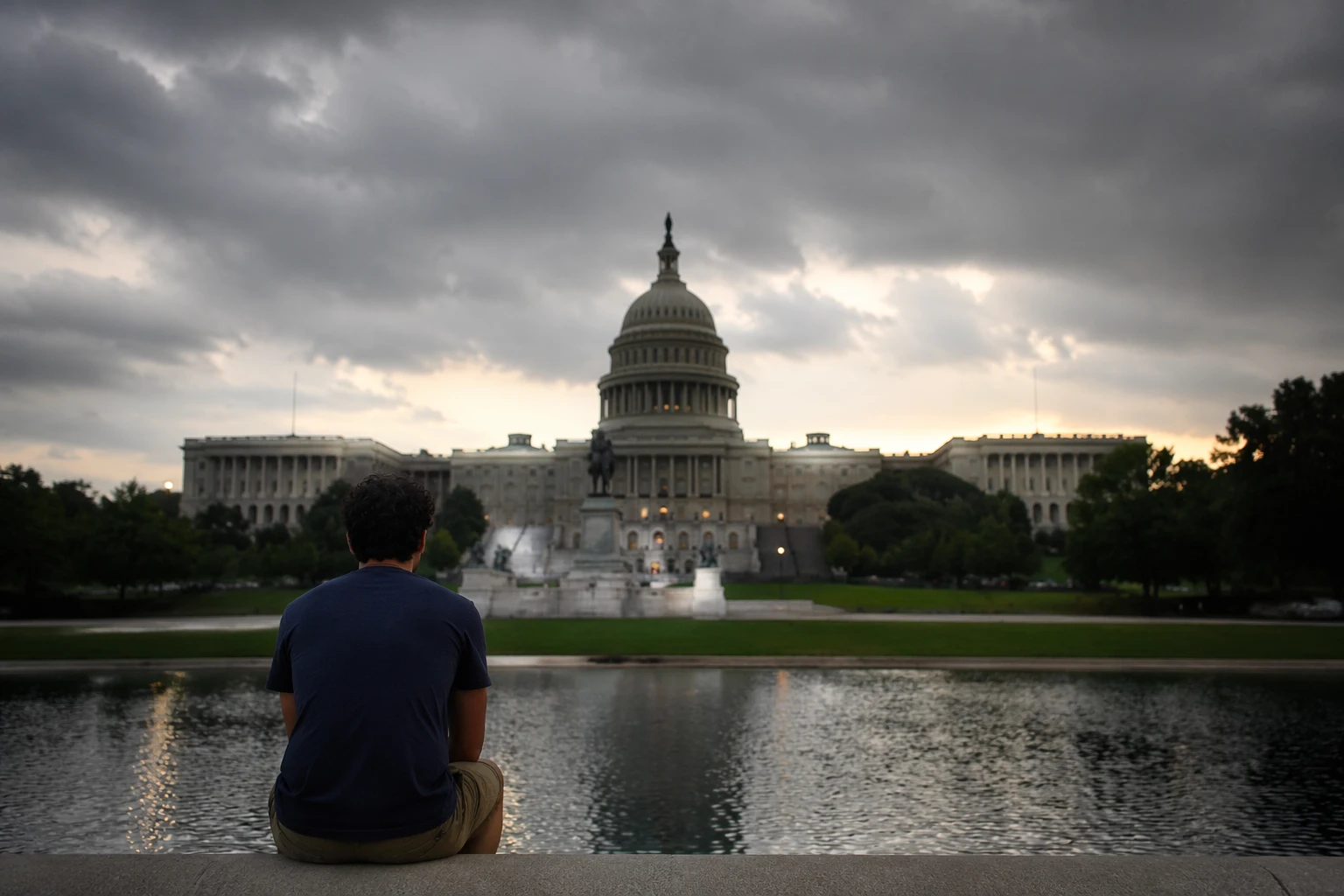
The AP-NORC America 250 polling shows the country’s identity remains anchored in basic liberties even as faith in government weakens. Nearly 9 in 10 Americans say freedom of speech and the right to vote are important to what makes the United States American, but only about two-thirds say a democratically elected government is highly important to the nation’s identity, down from 80% in 2021. In that same polling, freedom or liberty was the most common answer to what unites Americans, while political interests or values were most often cited as what divides them.
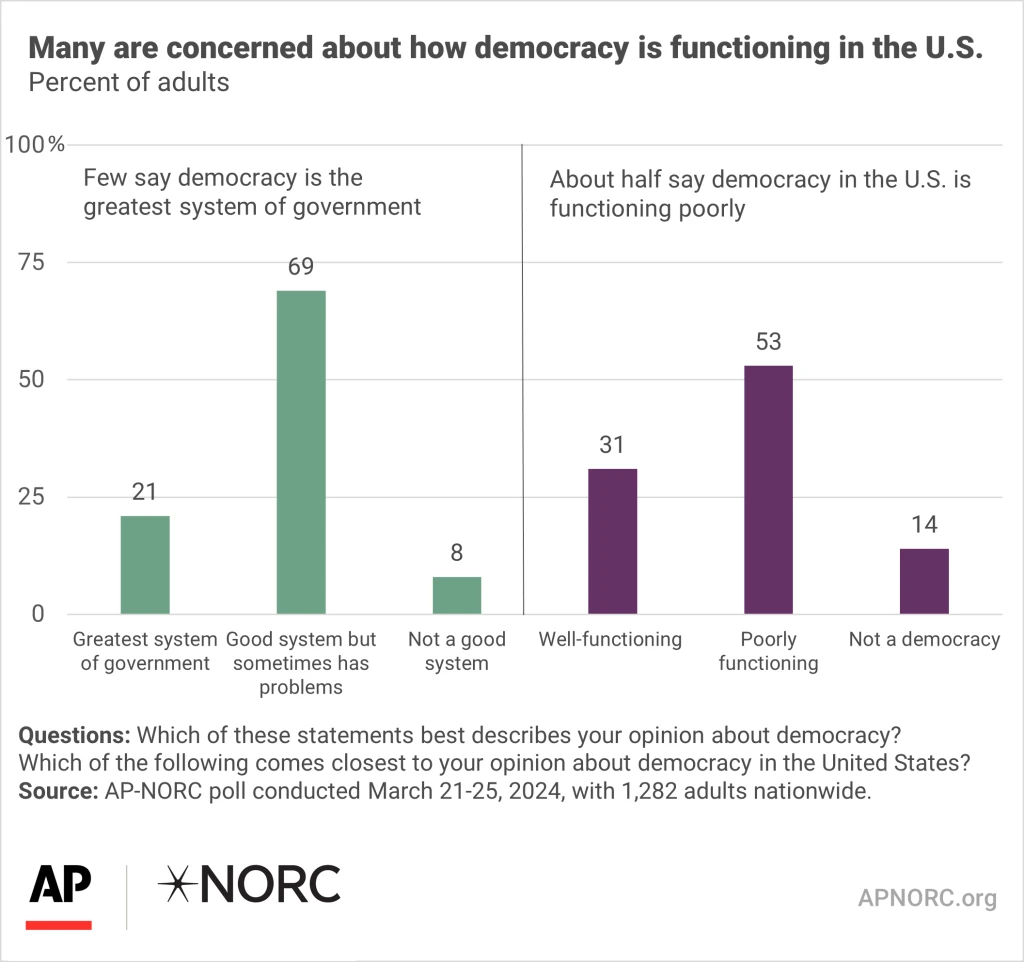
The survey also captures a more fractured view of America’s place in the world. About one-quarter of Americans said the United States stands above all other countries, while about 3 in 10 said other countries are better, up from 19% in an AP-NORC poll in June 2016. Americans under 30 were much less likely than those 60 and older to say the United States stands above other countries or that democracy is central to the nation’s identity.
For 24-year-old Derricka Wall of Chickasaw, Alabama, the divide is less about the system than the people running it. “the problem is not democracy itself but the people placed in office,” she said. That sentiment, skeptical of leaders but still tied to the country’s ideals, now runs through the polling and defines the tension heading into the nation’s 250th year.
Sources
- [1]usnews.com
- [2]news.gallup.com
- [3]apnorc.org
- [4]ap.org
- [5]apnews.com