Technology
Americans Reluctant Yet Reliant on Artificial Intelligence
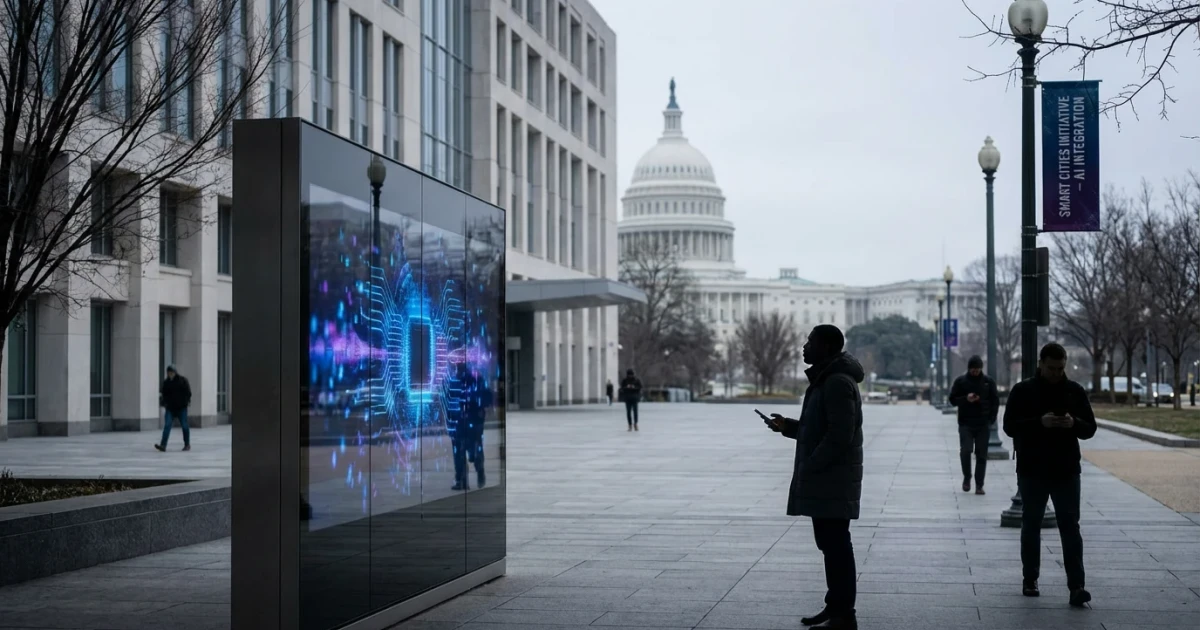
Artificial intelligence (AI) has become deeply embedded in American life, yet a persistent unease surrounds its growing influence. Even as skepticism about AI remains widespread, usage of AI-powered tools and services continues to climb, illustrating a complex relationship between Americans and this transformative technology.
Widespread Adoption Despite Reservations
Across the United States, AI is now a cornerstone of many platforms and services used daily. From virtual assistants in smartphones and smart speakers to recommendation algorithms powering popular streaming services and online shopping, AI quietly shapes user experiences. Recent data from the Statista Topic Page on AI Usage in the United States shows that adoption rates are steadily rising, with a significant portion of the population interacting with AI-driven tools—often without realizing it.
Despite this uptake, Americans remain notably wary of AI technology. A comprehensive survey by the Pew Research Center in 2023 found that a majority of Americans express concern about the impact of AI on jobs, privacy, and decision-making. Many respondents said they believe AI will have a mostly negative effect on the workforce, with worries about automation and job displacement persisting. These findings align with coverage from The Washington Post, which highlights the paradox of AI as a technology Americans "don’t like but can’t stop using."
Trust Issues and Regulatory Hurdles
Trust in AI and the companies developing it remains low. The 2024 Edelman Trust Barometer reported that the technology sector—once viewed as one of the most trusted—has seen declining confidence, particularly around AI. Americans cited fears of bias, lack of transparency, and inadequate oversight as key reasons for their mistrust.
- Only a minority believe that AI developers will act in the public’s best interest.
- Concerns about data privacy and the use of personal information are widespread.
- Many want stronger government regulation and clear ethical guidelines for AI use.
To address these issues, the U.S. government has taken steps such as releasing the Blueprint for an AI Bill of Rights, outlining core principles for safe and equitable AI deployment. These include protections against algorithmic bias, the right to data privacy, and requirements for transparency in automated systems. While these frameworks provide a foundation, many experts and advocacy groups argue that enforcement and oversight are still lagging behind the rapid pace of technological change.
Business, Everyday Life, and Reluctant Reliance
AI’s practical utility continues to win converts, even among those who express doubts. In the business world, the U.S. Census Bureau found that a growing share of companies are integrating AI into their operations for functions like customer service, logistics, and supply chain management. For consumers, AI-driven features such as predictive text, facial recognition, and personalized recommendations have become routine conveniences.
Yet, as The Washington Post observed, this acceptance is often reluctant. Americans frequently voice discomfort with the technology, especially when it comes to critical decisions about health, employment, and security. Still, the convenience, cost savings, and efficiency offered by AI-powered systems make it difficult for users to opt out entirely, reinforcing a cycle of simultaneous dependence and distrust.
Looking Ahead: Navigating the AI Paradox
The American experience with AI is defined by contradiction: high usage rates coupled with high skepticism. The challenge for policymakers, industry leaders, and the public will be finding ways to harness the benefits of artificial intelligence while addressing legitimate concerns about fairness, transparency, and accountability. As AI’s footprint grows, so too does the imperative for robust risk management frameworks and public engagement.
For now, AI remains a technology Americans can’t quite embrace—but can’t live without.