Technology
Americans resist rapid data center buildout as AI boom grows
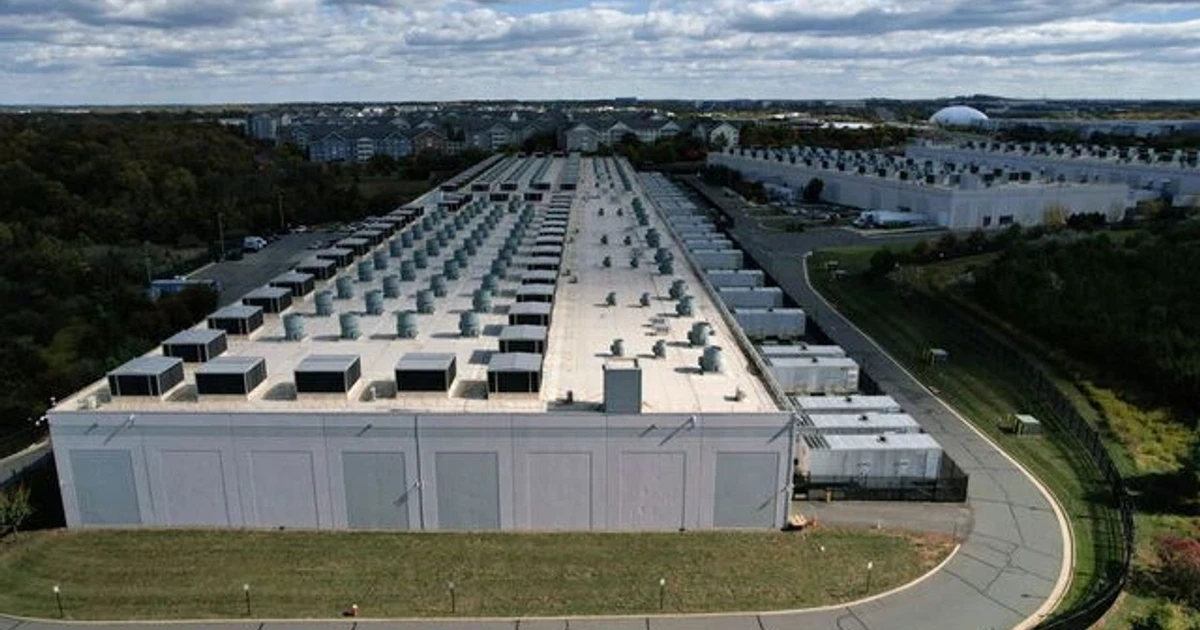
A rapid AI buildout is colliding with a public trust problem: Americans are more likely to see data centers as a drain on their neighborhoods and power bills than as a clean win for innovation. In a Reuters/Ipsos poll of 4,531 adults fielded June 3-8, 64% disagreed that building data centers at a fast pace is mainly a good thing, while 33% agreed.
Opposition sharpened when the question moved from the national map to the block next door. Fifty-seven percent said they would oppose a data center in their community, and only 14% said they would be okay with one near them. Seventy-seven percent said they were concerned AI would make electricity more expensive, a warning sign for an industry whose physical footprint is spreading across land, water and local infrastructure.
The survey points to a political problem for companies and for policymakers trying to speed permits. The Trump administration has made rapid AI development a priority, and on July 23, 2025, the White House said Donald Trump signed an executive order to accelerate data-center infrastructure permitting, including projects requiring more than 100 megawatts of new load. On June 2, 2026, Trump signed another order creating a voluntary federal framework for early access to frontier AI models, showing how closely AI policy and infrastructure now move together.
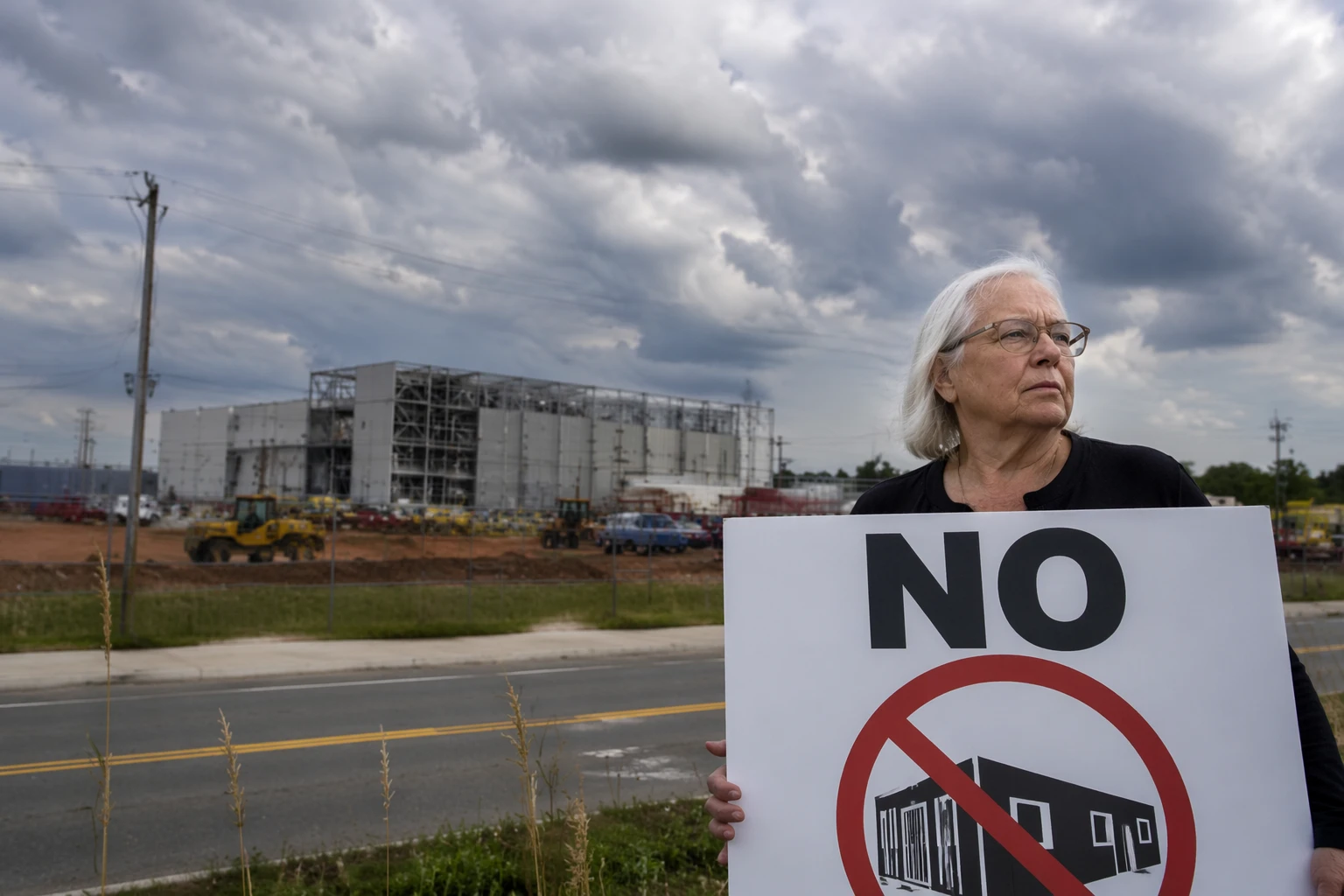
The backlash is not confined to one poll. A Pew Research Center survey of 8,512 adults fielded Jan. 20-26 found Americans were more negative than positive about data centers’ effects on the environment, home energy costs and the quality of life for nearby residents. Pew said 39% called data centers mostly bad for the environment, versus 4% good, and 38% said they were mostly bad for home energy costs, versus 6% good. Three-quarters of Americans had heard or read at least a little about data centers, suggesting the debate has broken into the mainstream.
Ben Green, a Harvard public-policy expert, said concerns over rising electricity rates, enormous water use, tax breaks for developers and weak local job growth are “quite legitimate.” Harvard cited more than 4,000 data centers already operating in the United States and about 3,000 more planned or under construction, while another count put 710 operating and 1,062 planned, underscoring how quickly the sector is expanding. With resistance building in places such as Ashburn and Stone Ridge, Virginia, and with voters already attuned to the issue ahead of the November 3 midterm elections, the industry now faces a harder test than speed: whether it can explain who benefits, who pays and why communities should absorb the strain.
Sources
- [1]usnews.com
- [2]ipsos.com
- [3]pewresearch.org
- [4]news.harvard.edu
- [5]whitehouse.gov
- [6]aoshearman.com