Lifestyle
Americans rethink grocery shopping as food prices stay painfully high
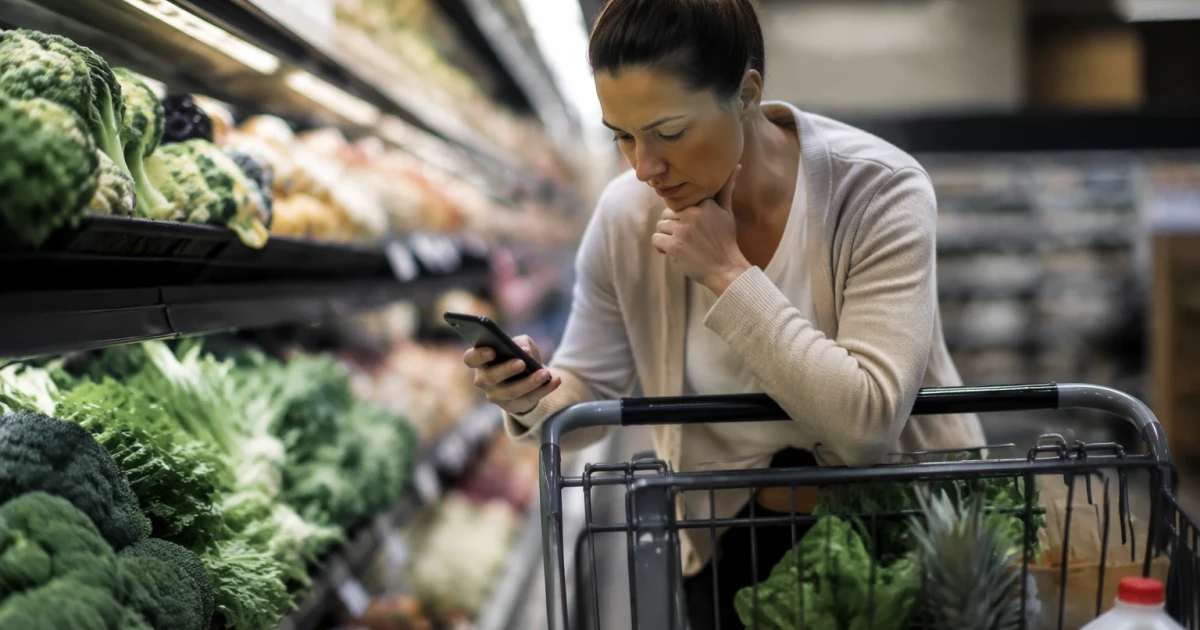
Americans are not just paying more at the grocery store. They are rewriting the routine itself, trading national labels for store brands, checking unit prices with new intensity and planning dinner around sales instead of preference. Associated Press reporting shows the shift is happening because food prices have stayed painfully high long after the sharpest inflation spike faded, turning a weekly errand into a careful exercise in arithmetic.
How the grocery run changed
The new habits are practical and immediate. Shoppers are making fewer impulse purchases, comparing unit prices more carefully and using loyalty-card apps and digital coupons to chase down deals before they even decide what to cook. In the syndicated coverage, one family was described in a photo caption as serving dinner that was “whatever is on sale,” a phrase that captures how deeply price pressure has entered the home kitchen.
That means more trips to discount chains, warehouse clubs and dollar stores, along with more stockpiling of shelf-stable goods when prices dip. Households are also shifting toward cheaper proteins and more filling ingredients that stretch across several meals, a change that matters most for families on fixed or tight budgets. For them, this is not bargain-hunting as a hobby. It is how they keep food on the table without burning through income too fast.
Store brands are no longer a backup plan
The clearest sign of this shift is the rise of private label. The Private Label Manufacturers Association said the U.S. private-label industry reached $282.8 billion in sales in 2025, a scale that shows store brands have moved far beyond being a low-end substitute. Grocery-industry coverage has treated that growth as a lasting trend across clubs and supermarkets, not just a temporary trade-down during a bad stretch.
Retailers have noticed the change in consumer behavior and are adjusting their shelves and promotions accordingly. Some are widening the assortment of house brands, while others are narrowing the price gap between store brands and national names to keep budget-conscious shoppers from walking away. The result is a grocery aisle where brand loyalty matters less than value, and the pressure to hold onto customers shapes everything from packaging to weekly specials.
The inflation numbers that keep the pressure on
The reason these habits have stuck is simple: grocery prices never fully returned to the old normal. The USDA Economic Research Service said U.S. food-at-home prices rose 2.3% in 2025 compared with 2024, and the U.S. Bureau of Labor Statistics showed food prices up 3.0% over the prior 12 months in June 2026, with a 0.2% increase in the month.
Those increases are smaller than the worst pandemic-era spikes, but they remain visible in a way that other price changes often are not. Everyone sees the total at the register, and that visibility makes food inflation politically and personally potent. Even when broader economic growth looks steadier, groceries keep reminding households that their budgets have not caught up.
Scrutiny is becoming part of the shopping habit
The heightened attention goes beyond store choice. Many consumers are checking receipts more closely, questioning shrinkflation and watching package sizes with a skepticism that would have felt excessive a few years ago. Capital One Shopping’s research found shrinkflation affected 33% of grocery items, underscoring why shoppers now read shelves and labels as carefully as they once read sales flyers.
The shift is widespread, not niche. A LendingTree-linked survey summary said 88% of Americans over age 18 changed how they shopped for groceries, and AP later reported that more than 8 in 10 Americans changed how they buy groceries last year, hunting for sales, switching to cheaper brands and cutting items they once considered essential. AP had already laid out grocery-saving tactics in earlier coverage, and those tactics now look less like emergency adjustments and more like a new baseline.
What the new normal means for households and policy
This is more than a consumer story. High food prices affect how families eat, how often they cook and what kind of nutrition fits inside a paycheck, especially for households that have the least room to absorb another increase. The squeeze also reaches local businesses, restaurants and food assistance networks, which all feel the effects when shoppers move spending toward lower-cost staples and fewer discretionary items.
It also changes how retailers compete. To keep value-conscious customers, grocers lean harder on app-based discounts, promotional pricing and private-label placement, while trying not to give away too much margin. That tension is now built into the food system itself: households are adapting, retailers are adapting and the grocery trip has become a weekly test of trade-offs that shows no sign of disappearing soon.
Sources
- [1]apnews.com
- [2]houstonchronicle.com
- [3]usnews.com
- [4]seattletimes.com
- [5]bls.gov
- [6]ers.usda.gov
- [7]plma.com
- [8]capitaloneshopping.com
- [9]grocerydive.com
- [10]youtube.com