US News
Americans say scam attempts have become a daily routine
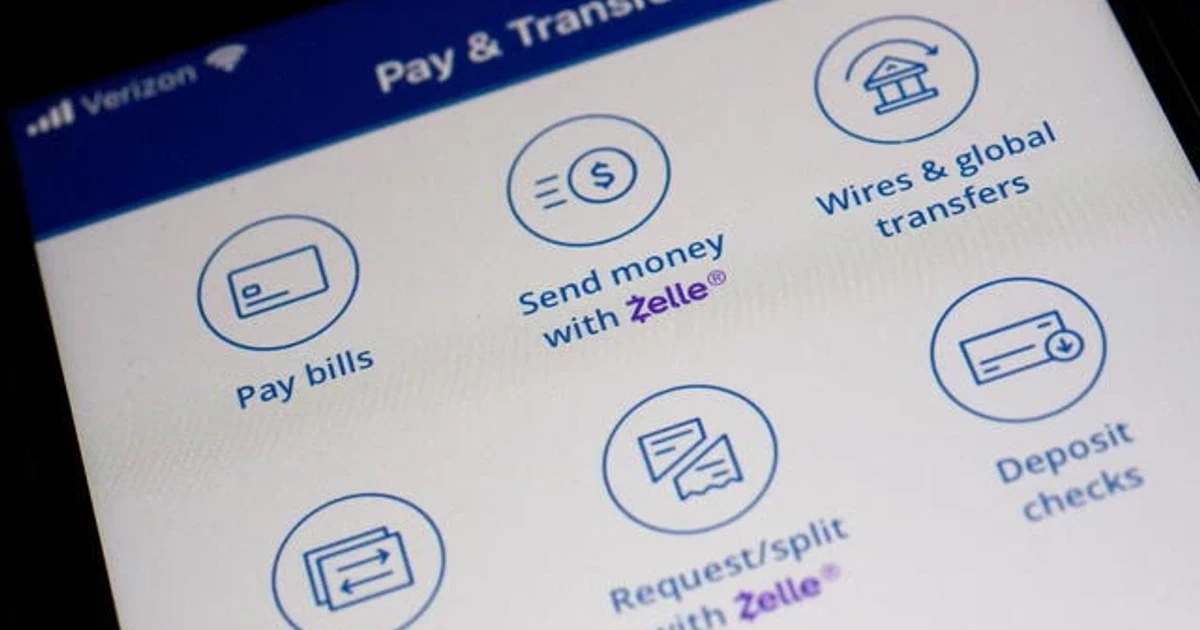
Scam attempts now arrive so often that many Americans spend part of each day deciding whether a bank alert, employer note or cellphone warning is real. In a February AP-NORC survey of 1,133 adults, about 3 in 10 U.S. adults said they had personally lost money or personal information to scams, while many more said suspicious texts, calls, emails, online messages and ads had become routine.
The pattern is not limited to one channel. A 2025 Pew Research Center survey found that 68% of U.S. adults get scam phone calls at least weekly, 63% get scam emails that often and 61% receive scam texts at least weekly. Pew also found that 73% of adults had ever experienced at least one online scam or attack, and 32% said it happened in the past year.
That constant exposure helps explain why losses are not always reported. In the AP-NORC poll, and in a separate Gallup and Stop Scams Alliance survey, few victims said they told the federal government or local police after being scammed. The main reason was resignation: many did not believe a report would help them recover money. One respondent told AP, "You've got to be pretty sophisticated these days," a line that captures how fraud has been folded into ordinary digital life.
The financial toll is already large. The Federal Trade Commission’s Consumer Sentinel Network Data Book for 2024 said consumers reported losing $12.5 billion to fraud in 2024, up 25% from 2023. Investment scams accounted for $5.7 billion of those reported losses. The FBI’s 2024 Internet Crime Report said the Internet Crime Complaint Center received 859,532 complaints and recorded losses exceeding $16 billion, a 33% jump from 2023.

The problem is bigger than the reports alone suggest. Federal agencies describe those databases as partial measures, because they rely on consumer complaints and other unverified reports. That means the silence of victims matters: if people dismiss a scam as too small, too embarrassing or too commonplace to report, regulators and investigators lose a large share of the evidence they need to spot patterns and target repeat offenders.
The Gallup and Stop Scams Alliance survey put that everyday damage in household terms. About 1 in 10 adults said they or someone in their household was deceived by a scammer last year into losing money or giving access to a financial account. Nearly half of those victims said they lost more than $500, and about half said losses fell between $125 and $2,000; about 1 in 10 said they had been scammed multiple times.
The scams themselves keep evolving. The FBI said Americans lost nearly $893 million to AI scams in a single year, and FTC data show imposter-scam losses reached $3.5 billion in 2025, nearly triple the 2020 total. The FTC’s ReportFraud.ftc.gov portal is the government’s main place to report fraud, scams and bad business practices, and each report adds to the record that enforcement agencies use to track a fraud economy that now reaches into daily life.
Sources
- [1]usnews.com
- [2]apnorc.org
- [3]pewresearch.org
- [4]ftc.gov
- [5]fbi.gov
- [6]reportfraud.ftc.gov
- [7]stopscamsalliance.org
- [8]prnewswire.com