Health
Americans say they spend too much time on phones, experts warn
Nearly all American adults now carry a cellphone, and 91% own a smartphone, even as about 70% say they spend too much time on their phones. Pew Research Center says smartphone ownership has surged from 35% in 2011 to 91% in 2025, a shift that has made constant access normal across age groups and income levels.
Pew also found that 16% of U.S. adults are smartphone-only internet users, meaning they own a smartphone but do not subscribe to home broadband. About four-in-ten Americans describe themselves as online almost constantly, a sign that the problem is no longer simple access but the way always-on devices shape daily routines.

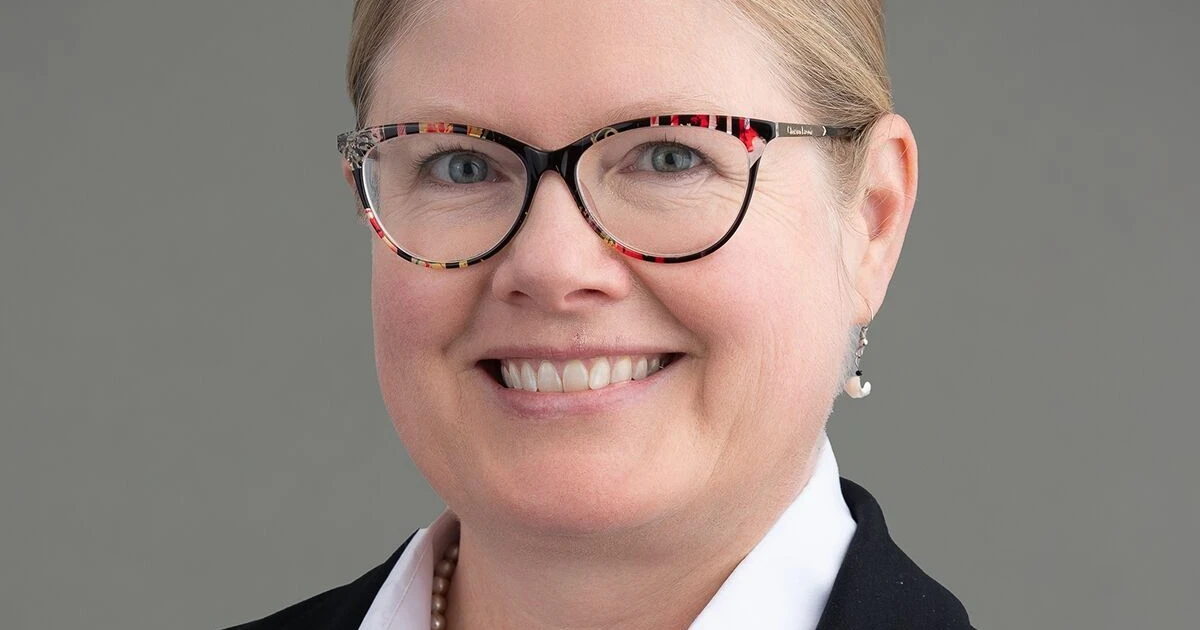
That change has altered how clinicians talk about screen use. Dr. Megan Moreno, a UW Health Kids pediatrician and professor at the University of Wisconsin School of Medicine and Public Health, has become one of the most visible voices in that debate. UW Health says Moreno co-led the American Academy of Pediatrics’ National Center of Excellence on Social Media and Youth Mental Health, which launched in September 2022 with a $10 million, five-year federal grant through the U.S. Department of Health and Human Services and the Substance Abuse and Mental Health Services Administration. The center’s work includes evidence-based tools, family media plans, privacy protections, open communication with trusted adults and mental health supports.
UW Health says older advice built around a strict two-hour daily screen-time limit for children no longer fits a smartphone-and-tablet era. Instead, it recommends a customizable family media use plan, a framework that lets parents set rules around when devices come out, where they stay out of reach and how screens fit around sleep, school and family time.

The research base is still catching up. Peer-reviewed reviews say “screen addiction” is now common in public conversation, but diagnosis and treatment have not fully caught up in clinical and population-health research. Other peer-reviewed work says excessive screen time is a public-health challenge, especially for young people, and supports policies that encourage healthier technology habits and limits on use. The result is a field that is moving away from a single universal cutoff and toward signs of impairment, compulsive use and household rules that can actually be enforced.
Sources
- [1]abcnews.com
- [2]pewresearch.org
- [3]uwhealth.org
- [4]pmc.ncbi.nlm.nih.gov