World
Americans want Iran war to end, but doubt the deal was worth it
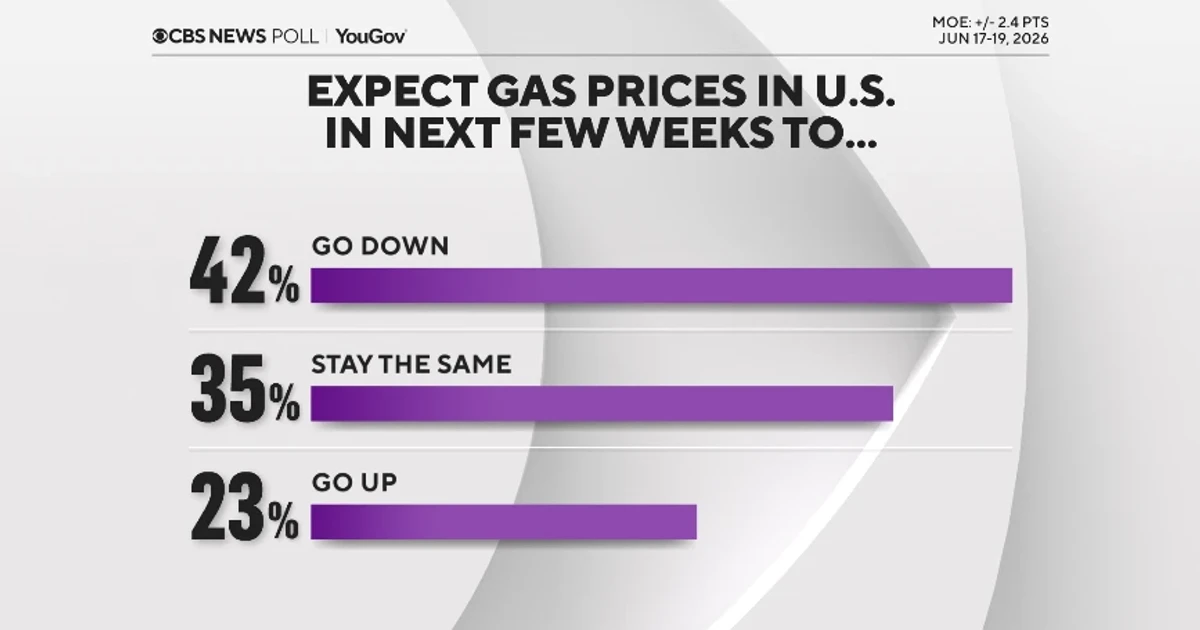
Americans are ready for the Iran war to end, but they are not convinced the United States is walking away with much to show for it. CBS News’ latest polling found broad support for ending the conflict, especially among respondents feeling the sting of higher gas prices, yet few said the country had gotten the better end of any agreement.
That split matters because it shows how quickly public patience can run out when a war looks costly but not clearly winnable. CBS News has been tracking the conflict across several surveys this year, and the pattern has been consistent: Americans have been skeptical about the mission, uneasy about the administration’s explanation of it, and increasingly focused on economic fallout at home.

By March 22, CBS News found most Americans saying the Iran conflict was not going well and describing it as a war of choice. Rising gas prices were already feeding broader economic concern, tying events in the Middle East directly to household budgets in the United States. A few weeks later, on April 12, CBS reported that few Americans thought U.S. goals were being met in Iran, while many were feeling worry, stress and anger rather than confidence that the situation was improving.
That dissatisfaction built on earlier doubts about the administration’s case for action. In a March 3 poll, most Americans said the Trump administration had not clearly explained its goals in the conflict, and many believed the war could last months or years. Back on June 24, 2025, CBS found a majority overall disapproved of U.S. airstrikes on Iran, even as Republicans, especially MAGA Republicans, overwhelmingly backed them. About two-thirds of Americans also said President Donald Trump would need congressional authorization for any further military action.

The newest numbers suggest that even an eventual truce may not settle the political argument. A CBS News "Face the Nation" preview on June 14 said Qatari mediators were traveling to Tehran to finalize a truce, underscoring how quickly the conflict had shifted from military escalation to diplomacy. CBS News/YouGov’s earlier baseline survey, conducted Feb. 25-27 with 2,264 adults and then recontacted March 2-3 among 1,399 respondents, carried a margin of error of plus or minus 3.2 points.
That leaves Washington with a familiar problem: ending a war is not the same as persuading the public it was worth fighting. If Americans can welcome a ceasefire and still believe the deal was poor, both parties risk owning a peace that feels more like relief than victory.
Sources
- [1]cbsnews.com