US News
America’s isolationism debate returns, and the stakes are global
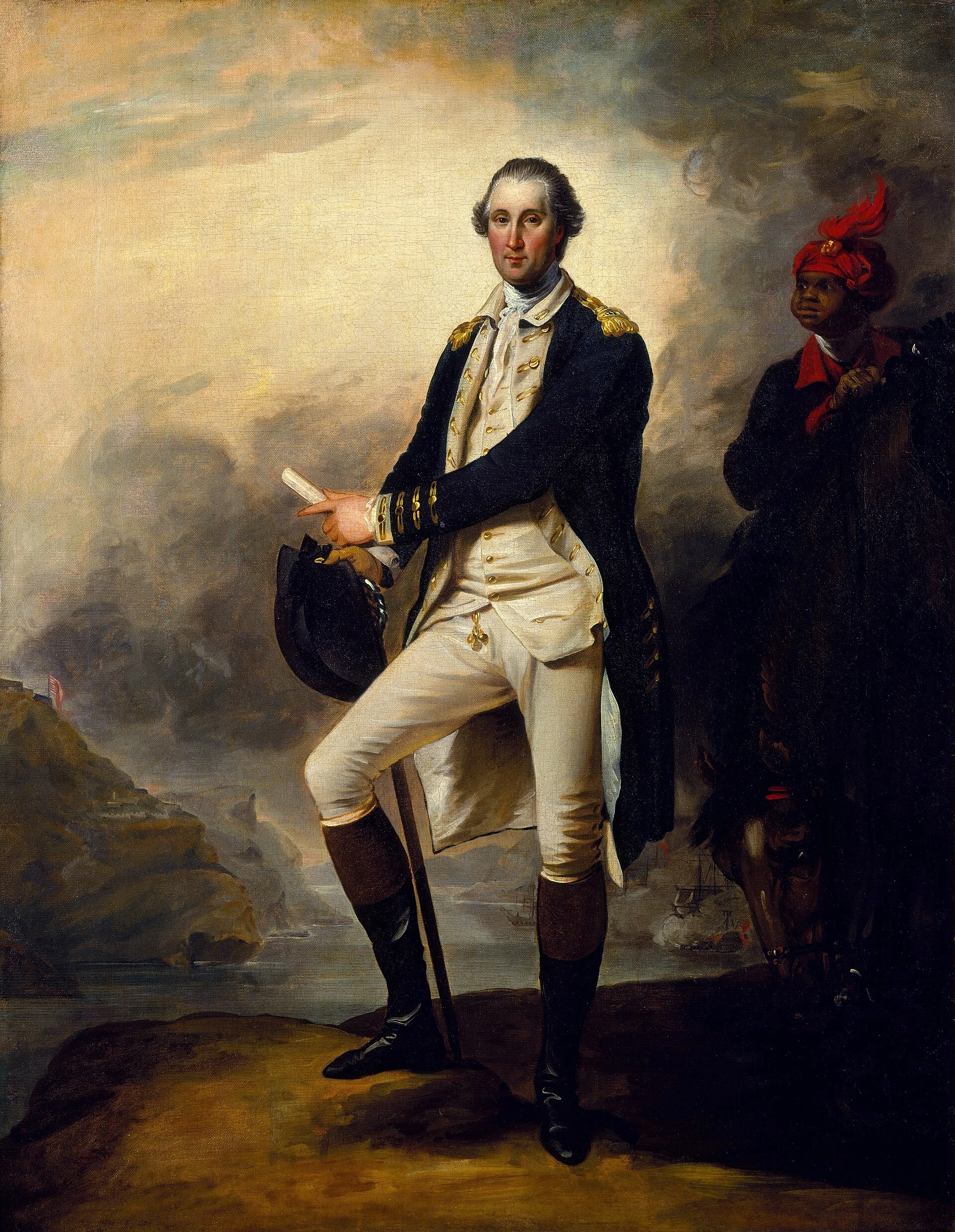
George Washington’s 1796 Farewell Address remains the most familiar warning against permanent alliances, and it still anchors the case for caution whenever the United States weighs foreign commitments. The United States has spent more than two centuries swinging between retrenchment and global engagement, and the question now is whether a quieter America would be a true retreat or a reordering of power that leaves allies and rivals to adjust on their own.
An argument older than modern American power
The roots of the debate run even further through the Monroe Doctrine, and isolationism, unilateralism, protectionism and racism were all part of America’s approach to the world from the nation’s birth well into the twentieth century.
The term “America First” did not begin as a modern slogan. It has older roots in the isolationist politics of the early twentieth century, and it reappears whenever Americans question whether global leadership pays enough at home.
Why the 1930s still define the term
The most durable association with isolationism is the 1930s, when the Great Depression and the memory of World War I casualties pushed American public opinion and policy toward pulling back. Those losses and economic shocks did not create a momentary mood swing; they hardened a broader reluctance to pay the costs of foreign entanglement.
Henry Cabot Lodge fought Woodrow Wilson over the League of Nations, William E. Borah became one of the most visible Senate voices against binding commitments abroad, and Jeannette Rankin gave antiwar politics a moral clarity that outlasted the decade. Wilson, by contrast, argued that the United States should help shape an international order rather than stand outside it.
Isolationism never meant total withdrawal
The word “isolationism” can mislead because it suggests the United States cut itself off from the world, when even at its most inward-looking it kept trade ties and regional influence. American retreat was rarely complete: commerce continued, diplomacy did not vanish, and influence remained strongest in North America and the Western Hemisphere.
The pattern was a national swing between keeping the rest of the world at bay and pressing outward through trade and investment.
Pearl Harbor shattered the interwar mood
The clearest break in the historical record came after Pearl Harbor in 1941, when mainstream isolationism collapsed almost overnight and the United States entered World War II fully.
The interwar instinct to stay out of foreign crises gave way to a global military role once the threat reached the Pacific directly, and the postwar order that followed was built on that reversal.
Why the current debate sounds familiar
Charles Kupchan argues that recent isolationist sentiment is not a new invention but another turn in a recurring American pattern. It places current arguments about retrenchment inside a much longer oscillation between engagement and withdrawal, one that has never been settled for long.
At the other end of the debate, Robert Kagan and Michael E. O’Hanlon have treated sustained American leadership as the foundation of the post-World War II system, a view that still shapes thinking in places like Brookings and Foreign Affairs. The fight is over whether U.S. power should continue to underwrite alliances, trade and deterrence, or whether Washington should accept a smaller role and let others absorb more of the burden.
The global stakes are no longer theoretical
Analysts in that camp warn that if the United States retreats too far from the postwar alliance system, Russia and China may see more room to press territorial claims. The risk is not confined to Europe or Asia in the abstract; it reaches the practical question of who deters coercion when American guarantees look less certain.
Sources
- [1]nytimes.com
- [2]state.gov
- [3]britannica.com
- [4]cfr.org
- [5]history.com
- [6]foreignaffairs.com
- [7]brookings.edu