Health
America’s Obesity Crisis Tied to Love of Junk Food
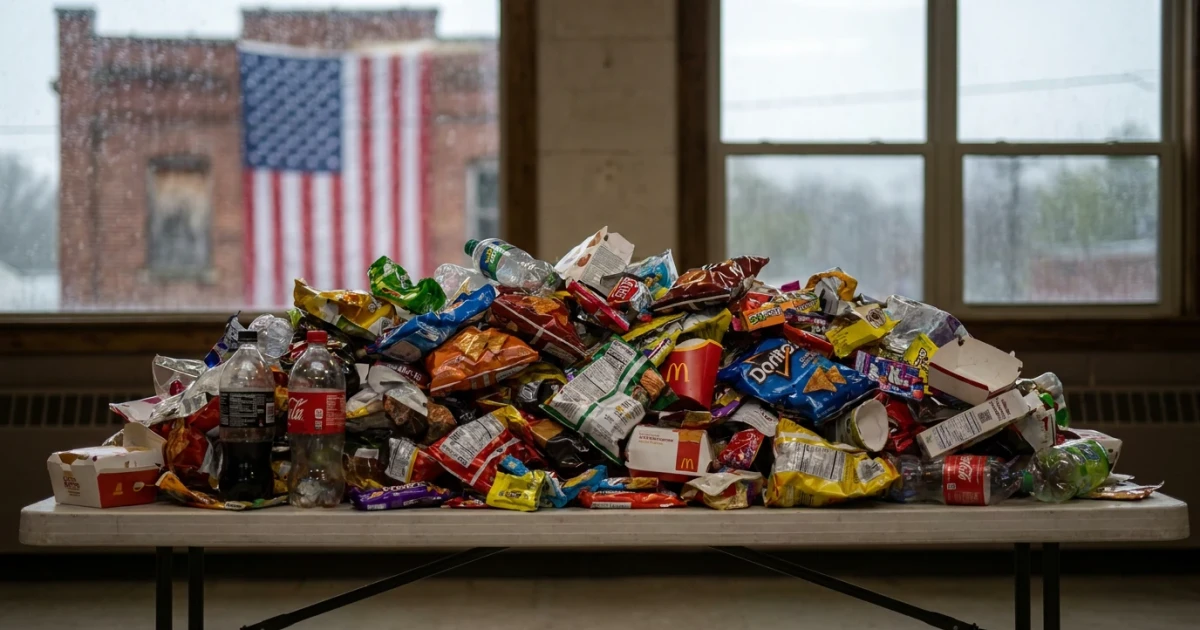
Obesity rates in the United States continue to climb, and experts point to Americans’ enduring love affair with junk food as a driving force behind the trend, outweighing factors like food cost or access.
Obesity Rates Continue to Rise
According to the Centers for Disease Control and Prevention (CDC), the prevalence of adult obesity in the U.S. has increased steadily over the past several decades. As of the most recent data, over 41% of American adults are considered obese, a figure that has more than doubled since the 1980s. Interactive charts from Statista show obesity rates rising from around 13% in 1960 to over 40% in 2022.
Ultra-Processed Foods Dominate American Diets
While debates continue about the role of food prices and economic access, research consistently shows that Americans consume large amounts of ultra-processed foods—including chips, sodas, packaged snacks, and fast food. These foods are typically high in added sugars, unhealthy fats, and sodium, and low in fiber and essential nutrients.
Data from the USDA Economic Research Service reveals that per capita availability of caloric sweeteners and processed snack foods has increased dramatically over the past few decades, reflecting changes in Americans’ eating habits.
- Added sugars and sweeteners: Per capita availability remains at historically high levels, contributing to excessive calorie intake.
- Ready-to-eat snacks: Consumption has soared, with Americans eating more chips, cookies, and crackers than ever before.
Taste and Convenience Over Cost
Although food affordability and access are important considerations, The Washington Post column argues that taste, convenience, and marketing of junk food are primary drivers of consumption. Even in regions where healthier options are available and affordable, Americans often choose highly processed foods for their flavor, ease of preparation, and aggressive advertising.
This perspective is echoed by USDA research, which finds dietary patterns are shaped by personal preference, time constraints, and cultural factors as much as by price. The USDA FoodAPS report highlights that Americans, on average, consume far more added sugars, saturated fats, and sodium than recommended, largely from processed foods and sugary beverages.
Health Consequences and Economic Impact
The health implications of these dietary patterns are significant. Obesity is linked to increased risk for type 2 diabetes, heart disease, stroke, and certain cancers. The CDC’s official data brief documents both the medical and economic burdens associated with obesity, including higher health care spending and reduced quality of life.
- More than 4 in 10 U.S. adults are obese according to the CDC.
- Obesity-related conditions are among the leading causes of preventable, premature death.
Addressing the Real Drivers
While cost and access remain part of the conversation, the evidence points to personal and cultural preferences for junk food as central to America’s obesity challenge. Public health experts suggest that effective strategies must address not only affordability and availability of healthy options, but also the marketing, portion sizes, and cultural attitudes that fuel unhealthy eating habits.
As the nation grapples with rising obesity rates, the data indicates that real progress may require shifting social norms and consumer habits, not just adjusting food prices or subsidies. For those seeking to understand or address the crisis, the CDC’s FastStats page offers a snapshot of current obesity and overweight prevalence, while the USDA provides comprehensive program information for food assistance efforts.
Ultimately, the American obesity crisis appears less a matter of cost, and more a reflection of what—and how—people choose to eat.