World
Amnesty International Highlights Increased Repression in Cuba
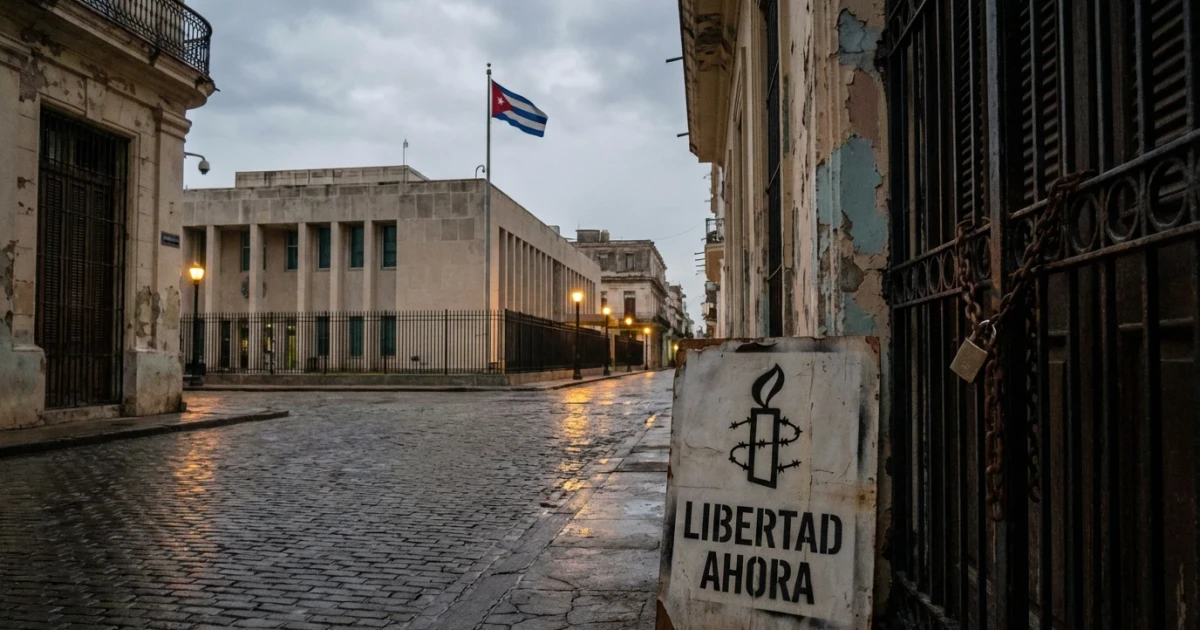
Amnesty International has drawn renewed global attention to Cuba’s human rights situation, reporting a significant escalation in government repression that has sparked concern among international observers and advocacy organizations.
Intensified Crackdown on Dissent
The latest Amnesty International report documents a marked increase in arbitrary detentions, harassment of activists, and restrictions on freedom of expression in Cuba over the past year. The advocacy group states that authorities have used a combination of surveillance, intimidation, and legal charges to silence critics and stifle the activities of independent journalists, artists, and civil society groups.
- Reports indicate that hundreds of peaceful protesters and government critics have been detained or face ongoing legal threats.
- Many activists have described being placed under surveillance or house arrest without formal charges.
- Cuban authorities have continued to use broad criminal statutes, such as “public disorder” and “contempt,” to prosecute dissenters.
Analysis from Human Rights Watch and other rights monitors corroborates Amnesty’s findings, pointing to a pattern of arbitrary detention, harassment of families, and pressure on lawyers representing activists.
Suppression of Civil Liberties and Expression
The crackdown has affected a wide cross-section of Cuban society, with Freedom House ranking Cuba among the lowest in the region for civil liberties and political rights. The Cuban government’s measures have included blocking access to independent media sites, disrupting mobile internet communications during protests, and targeting social media users accused of spreading “fake news.”
According to recent statistics, Cuba continues to have one of the world’s lowest press freedom scores, with a steady rise in reported cases of censorship, blocked websites, and state reprisals against journalists.
International Response and Calls for Accountability
Global human rights institutions have responded with increasing alarm. The United Nations Office of the High Commissioner for Human Rights continues to document cases of arbitrary detention and calls for Cuba to uphold its international obligations regarding due process and freedom of expression.
Amnesty International’s report urges the Cuban government to immediately release all prisoners of conscience, reform laws that criminalize dissent, and allow independent human rights monitoring. The organization also calls on the international community to maintain pressure for concrete reforms.
Cuban Government’s Position
While Cuban officials maintain that measures are necessary to preserve public order and national sovereignty, critics argue that these justifications serve to legitimize repression. Disagreements persist between Cuban authorities and international observers over the characterization of protest activities and the legitimacy of legal actions against activists.
Public Opinion and the Outlook Ahead
Despite growing restrictions, independent surveys from organizations such as CubaData indicate that many Cubans continue to express frustration over economic hardship and demand greater civil freedoms. However, the risks associated with open dissent remain high, as documented by both Amnesty International and other rights groups.
As the Cuban government faces mounting scrutiny, the coming months will be critical in determining whether international pressure can prompt meaningful reform or if restrictions will deepen further. Amnesty International’s latest findings serve as a prominent reminder of the ongoing struggle for basic freedoms in the country.