World
Amnesty International Raises Human Rights Concerns Ahead of World Cup
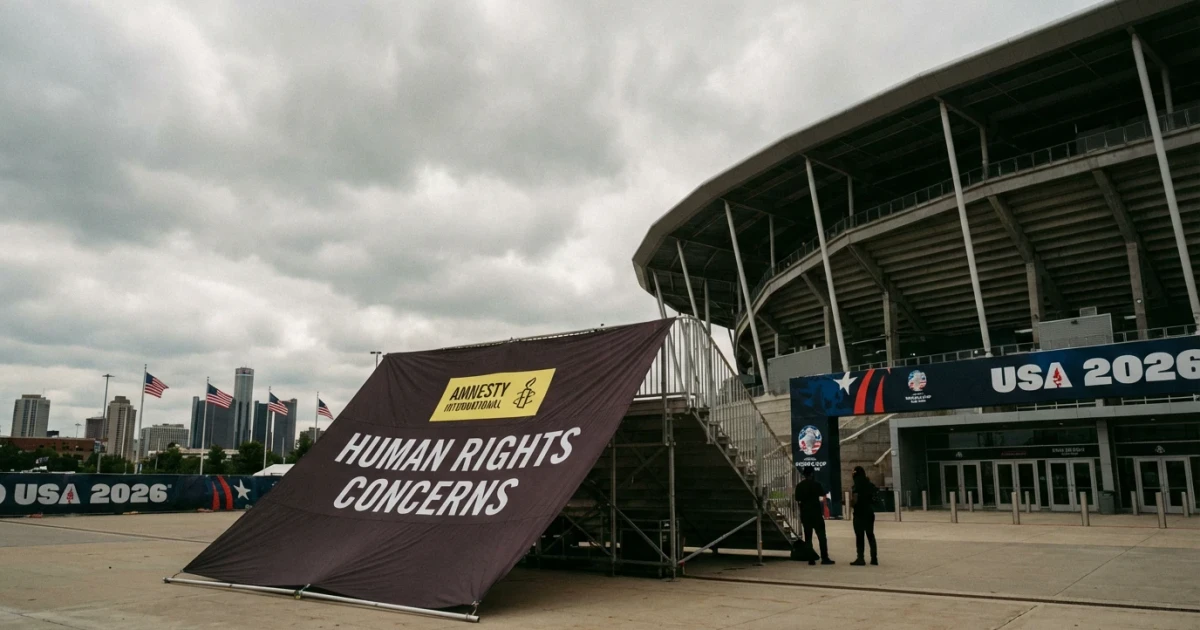
Amnesty International has issued a stark warning about human rights risks in the United States ahead of the upcoming World Cup, calling on organizers and authorities to take urgent action to ensure the tournament does not exacerbate existing issues or create new ones. The organization’s assessment, highlighted by Reuters, DW.com, and The Independent, points to a range of ongoing challenges that could impact players, fans, workers, and vulnerable communities during the event.
Amnesty’s Warning: A ‘Human Rights Emergency’
According to all three outlets, Amnesty International has characterized the situation as a potential ‘human rights emergency’ if appropriate measures are not implemented. While previous tournaments in countries like Qatar sparked intense scrutiny over migrant worker conditions and freedom of expression, Amnesty warns that the United States, despite its established democratic institutions, faces its own set of urgent human rights challenges.
- Reuters notes Amnesty’s focus on risks for vulnerable groups, including migrants, racial minorities, and LGBTQ+ individuals.
- DW.com emphasizes concerns about law enforcement conduct, protest rights, and the treatment of temporary workers associated with World Cup infrastructure.
- The Independent reports that Amnesty International has described the current U.S. context as a ‘human rights emergency’, citing systemic issues that could be amplified during a global sporting event of this scale.
Key Issues Highlighted
The reports synthesize several core areas of concern:
- Migrant Worker Protections: As the U.S. prepares for an influx of temporary workers for stadium construction, hospitality, and event management, all sources highlight Amnesty’s warning that robust labor protections are essential to prevent exploitation—a lesson underscored by past controversies in host nations like Qatar. For deeper context on past host nation labor reforms, see the detailed Amnesty International World Cup Scorecard.
- Freedom of Expression and Assembly: DW.com and The Independent both reference concerns about the potential suppression of peaceful protests and the possible use of excessive force by law enforcement, particularly as large crowds gather in host cities. Readers can review the FIFA Human Rights Policy for official commitments to these principles.
- Treatment of Marginalized Communities: Amnesty emphasizes that racial minorities, immigrants, and LGBTQ+ people may face heightened risks of discrimination or violence, especially in regions where legal protections are inconsistent or lacking. The UN OHCHR Country Profiles provide additional background on monitoring mechanisms for host countries.
- Policing and Security: All sources point to the need for transparent and accountable policing during the event, with DW.com underscoring the importance of upholding international standards for crowd control and detainee treatment. The Human Rights Watch World Report offers comparative analysis of host country practices.
Calls for Action and Accountability
In response to these risks, Amnesty International is urging both U.S. authorities and FIFA to take concrete steps. These include:
- Implementing rigorous labor standards for all World Cup-related employment
- Safeguarding the right to protest and freedom of expression in all host cities
- Ensuring robust anti-discrimination protections for participants and fans
- Establishing independent monitoring and grievance mechanisms for those affected
Amnesty’s interventions echo recommendations made for previous tournaments, but they are tailored to the U.S. context, where federal, state, and local authorities have complex, overlapping responsibilities. The organization’s call for action is aimed not only at World Cup organizers but also at policymakers, law enforcement agencies, and private sector partners.
Comparisons to Past Tournaments
While Qatar’s hosting of the 2022 World Cup drew global criticism for its treatment of migrant workers and restrictions on civil liberties, Amnesty’s warnings demonstrate that similar or new risks can persist in Western democracies. The U.S. faces unique challenges, including its decentralized approach to law enforcement and the politicized debate over rights protections in different states.
Looking Ahead: Will Reforms Follow?
As preparations accelerate, the coming months will reveal whether U.S. authorities, FIFA, and other stakeholders will heed Amnesty International’s calls and implement safeguards to protect human rights. With the world’s attention soon to be focused on the U.S. for the tournament, the effectiveness of these measures could set lasting precedents for future global sporting events.