US News
Amtrak unveils grand Penn Station redesign, echoing lost Beaux Arts glory
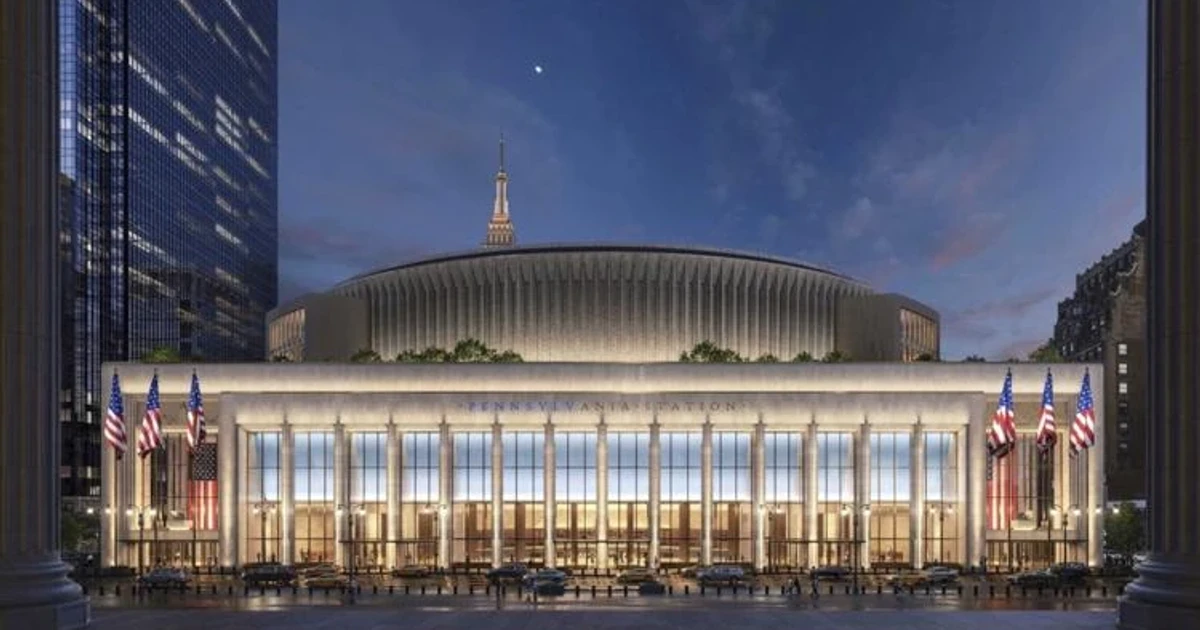
Amtrak’s new Penn Station vision is being sold as a civic restoration, but the stakes are more practical than decorative: who pays for an estimated $8 billion overhaul, how long riders will live through disruption, and whether the nation’s busiest rail hub finally becomes easier to use. The latest renderings show a stone front, a columned entrance, and a bright central hall meant to replace the cramped underground maze that has frustrated commuters for decades.
The plan was unveiled in New York by Vishaan Chakrabarti, founder and creative director of Practice for Architecture and Urbanism, and Ruchika Modi, a senior principal at the firm. Amtrak and Penn Transformation Partners, the private master-developer team made up of Halmar and Skanska, are steering the project toward a rebuild that seeks to recover some of the grandeur lost when the original Pennsylvania Station was torn down.
That original station, completed in 1910, once covered eight acres bounded by Seventh and Eighth Avenues and 31st and 33rd Streets. Demolition began on October 28, 1963, and the aboveground building was razed between 1963 and 1966, a loss that became one of New York’s defining preservation battles. The underground station that replaced it opened beneath Madison Square Garden in 1968 and left generations of riders moving through low-ceilinged corridors instead of a monumental gateway.
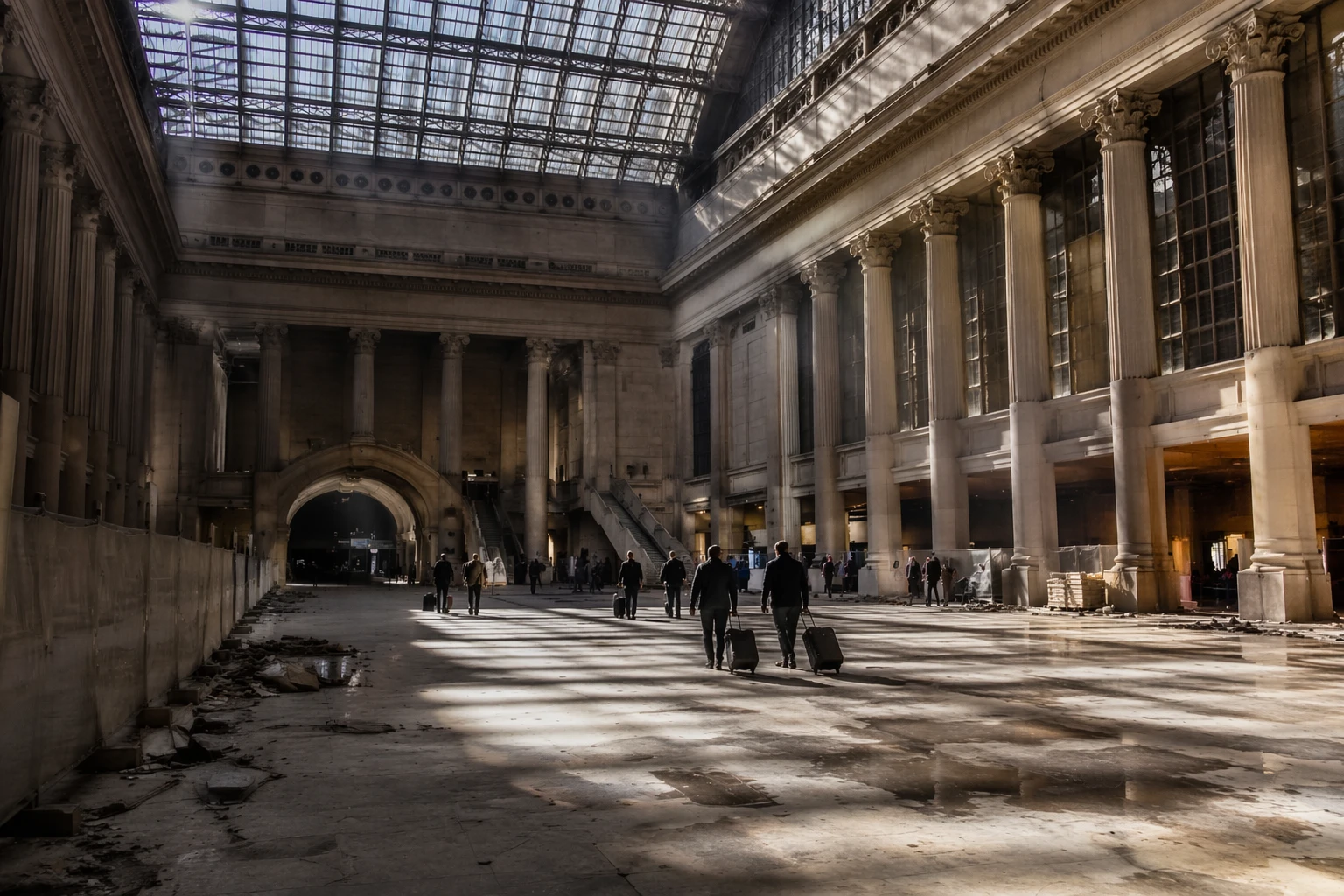
The new proposal tries to answer that history with classicism. Amtrak’s materials call for a grand entrance on Eighth Avenue, open concourses, larger waiting areas, better wayfinding, fewer dead ends, and improved visibility. The plan would preserve Madison Square Garden, but re-clad it in a classical look, while also reportedly tearing down the 5,300-seat Infosys Theater above the station to make room for a new train hall. It also calls for reopening a passageway to Herald Square that closed in the 1990s and adding a truck-loading dock for the arena to move freight off nearby sidewalks.
Politics remains inseparable from the architecture. One rendering shows Donald Trump’s name and seal on an interior wall, even as the facade would still read Pennsylvania Station. The project has become part of a broader federal push to remake the station, with the U.S. Department of Transportation taking control from the Metropolitan Transportation Authority in April 2025, withdrawing a $72 million grant previously awarded to the MTA, and later giving Amtrak $43 million to accelerate planning and preliminary work. Federal officials say construction is scheduled to begin by the end of 2027.
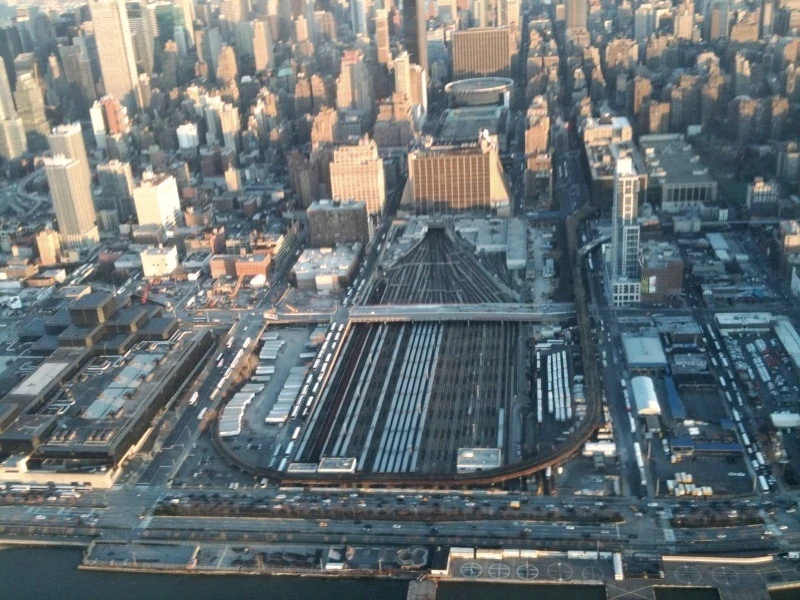
The unresolved questions are still the ones that matter most to commuters and taxpayers. Amtrak says the transformation will be 100 percent union-built and create thousands of jobs. NJ Transit has signed on as a key partner, while the MTA has declined to join the federal-Amtrak effort despite being the station’s largest tenant. Amtrak says New York Penn Station handles 16 rail routes daily and is responsible for platforms, tracks, signals, fire-life-safety systems, and tunnel monitoring. Until funding, regional cooperation, and environmental review are settled, the grand renderings remain a promise rather than a rebuilt station.