Entertainment
Amy Griffin sues former classmate over memoir plagiarism claims

Amy Griffin has taken a memoir dispute that was already roiling the publishing world into federal court, accusing a former classmate of defaming her by claiming she appropriated parts of the classmate’s abuse story for The Tell. Griffin filed the case June 15 in Nevada and says the accusations are false in every element.
The lawsuit centers on a book that became one of 2025’s biggest literary releases. The Tell was published March 11, 2025, quickly became an instant New York Times bestseller and was selected for Oprah’s Book Club. In the memoir, Griffin recounts being sexually abused as a child by a teacher while attending middle school in Amarillo, Texas, and says she later recovered memories through MDMA-assisted therapy.
Griffin, founder and managing partner of G9 Ventures, lives in New York City with her husband, John, and their four children. She has served on the boards of Bumble, Spanx and the Metropolitan Museum of Art, and TIME named her to its 100 Most Influential People of 2025. Reese Witherspoon, writing about Griffin for TIME, said Griffin came to her with the memoir’s story nearly five years earlier and praised both the book and Griffin’s courage.
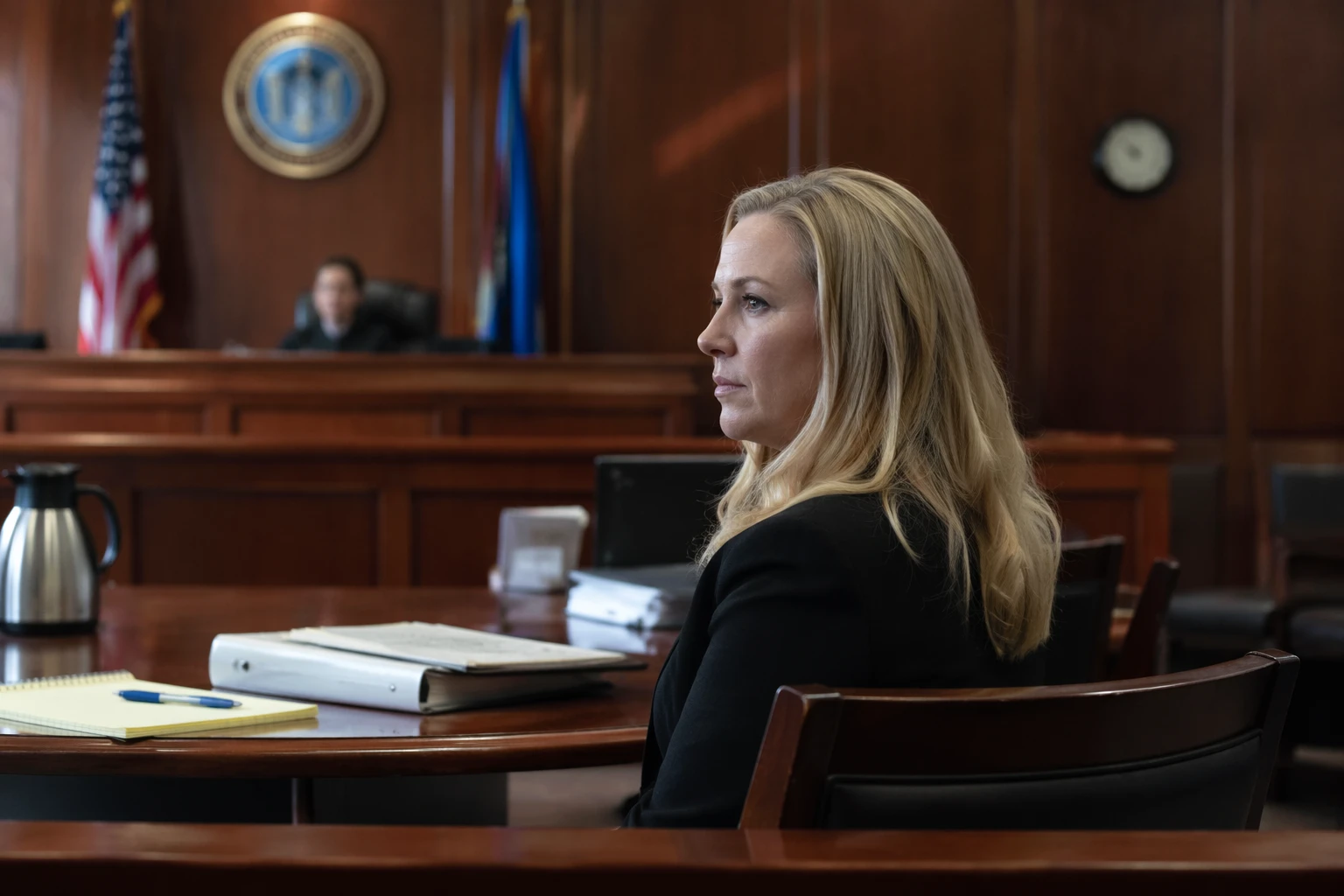
The conflict widened after The New York Times published a story in September 2025 that examined the memoir and relayed allegations from a former middle-school classmate. Griffin says she wrote down her account in 2020 and gave a detailed interview to the Amarillo Police Department in 2021, before the classmate knew the story in 2022. She also says the classmate, Joleene Altum, was not the real-life source for the memoir’s pseudonymous character Claudia.
Altum filed her own lawsuit in California in March 2026 as Jane Doe, alleging that The Tell borrowed from her own abuse story. Her complaint says details in the memoir, including a dress, a church youth group and a meeting in Palm Springs, matched her life. Griffin denies those claims and is seeking dismissal of the earlier suit.

The case now asks a larger question that reaches beyond one bestselling book: when two people claim overlapping trauma, who controls the narrative, and where does personal memory end and actionable falsehood begin? The Associated Press reported that the Times said Griffin’s lawsuit misrepresented its reporting, while Altum’s side said her account would be proven in court.
Sources
- [1]nytimes.com
- [2]penguinrandomhouse.com
- [3]oprah.com
- [4]time.com
- [5]caa.com
- [6]abcnews.com
- [7]myhighplains.com
- [8]independent.co.uk
- [9]g9.ventures