World
Analysts say Iran's nuclear and missile threats remain unresolved
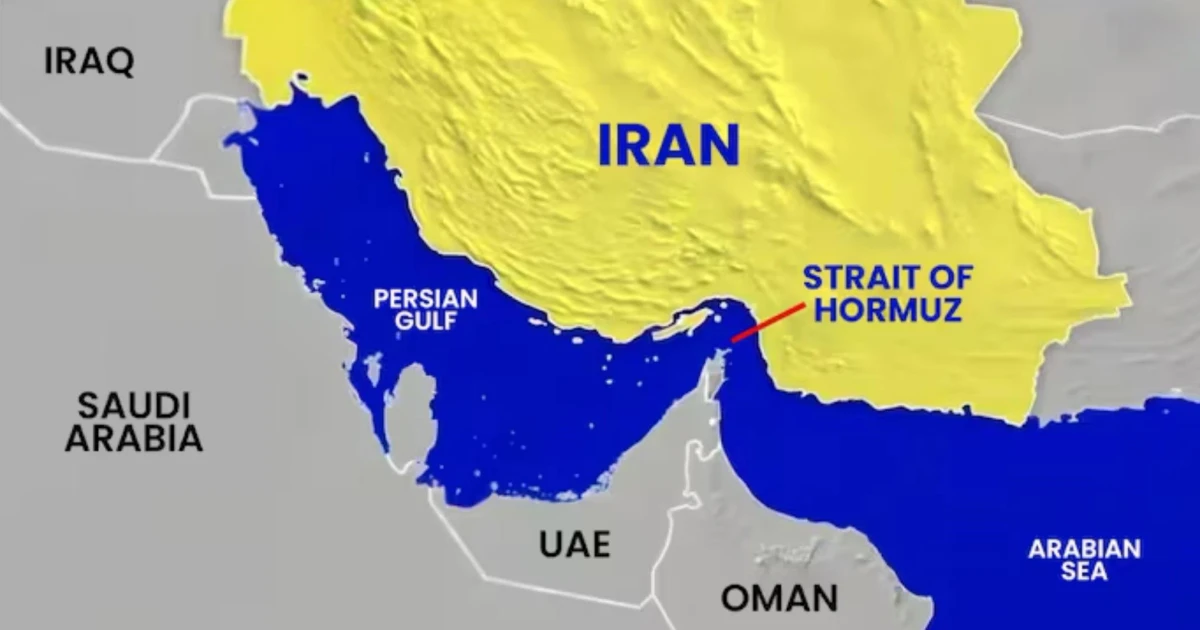
The ceasefire and interim U.S.-Iran deal changed the optics fast. It did not erase the core danger that has defined the crisis for years: Iran still has nuclear expertise, a large missile and drone arsenal, and a regional proxy network that can be rebuilt when pressure eases.
The agreement, signed remotely and electronically, was framed as a way to end the war, reopen the Strait of Hormuz, ease sanctions and relaunch nuclear talks under a 60-day deadline. But the White House’s 14-point text left the hardest question unresolved, namely how Iran’s nuclear program would actually be wound down. Missile issues were left largely outside the bargain, even as Gulf states signaled frustration that rockets and drones were not part of the main package.
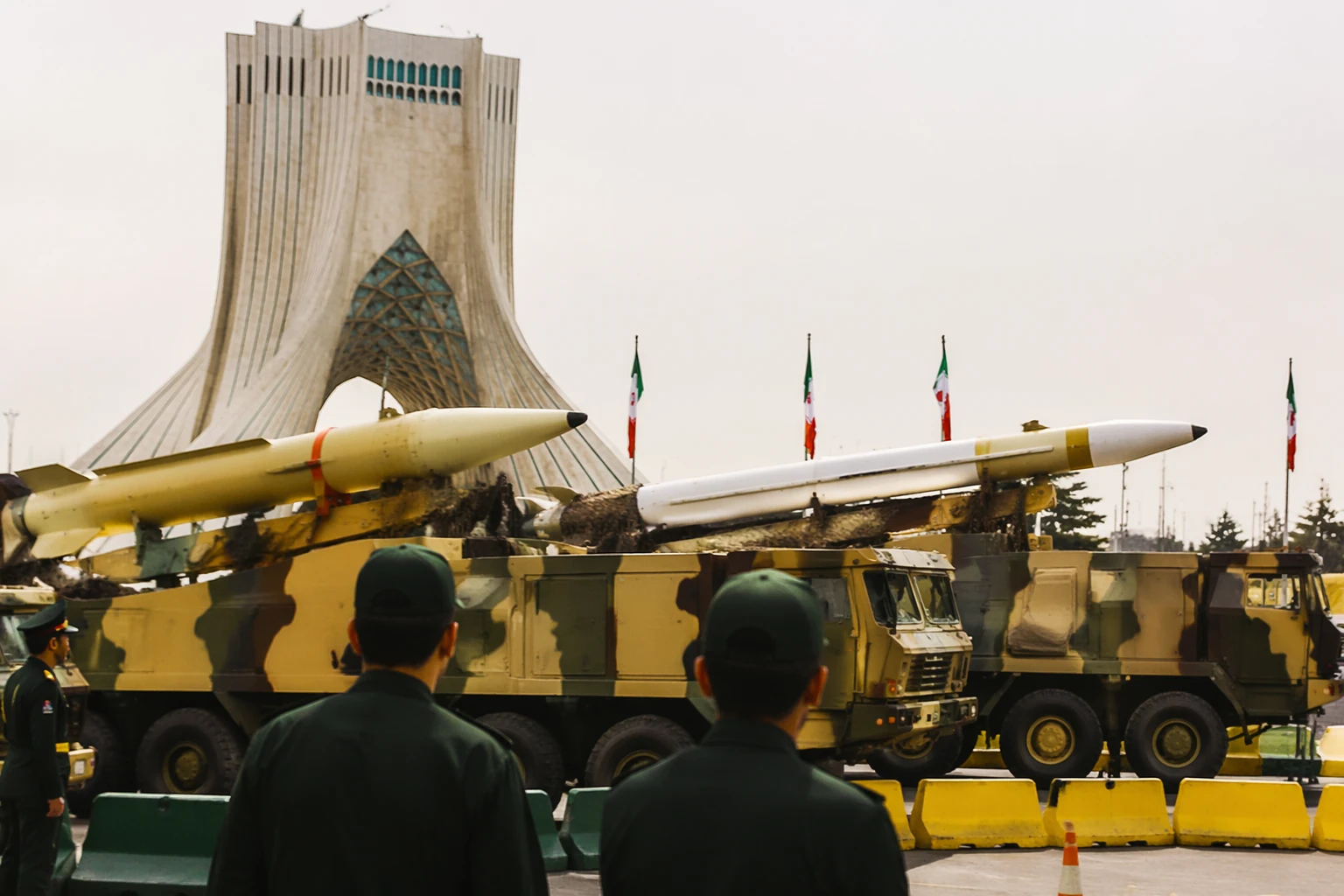
That gap matters because the war, while damaging, did not destroy Iran’s strategic capacity. Regional and think-tank analysis says the strikes hurt Iran’s missile, drone and defense-industrial infrastructure, but left intact the expertise needed to reconstitute those systems. In Washington, that means the problem is no longer just preventing a breakout, but deciding whether any deal can restrain the delivery systems and networks that would turn a future nuclear capability into a broader military threat.
The first immediate test was oil. U.S. sanctions waivers took effect as soon as the memorandum was signed, allowing Iran to resume sales of oil and fuel with banking, transportation and insurance services covered as well. Bloomberg reported that Iran resumed loading crude from Kharg Island after about six weeks, following the lifting of a U.S. Navy blockade of its ports. Even so, tanker-tracking analysis showed Iran’s exports had already fallen sharply at the start of 2026 under sanctions pressure, raising the question of how quickly revenues can really recover, especially given China’s role as Iran’s main customer.
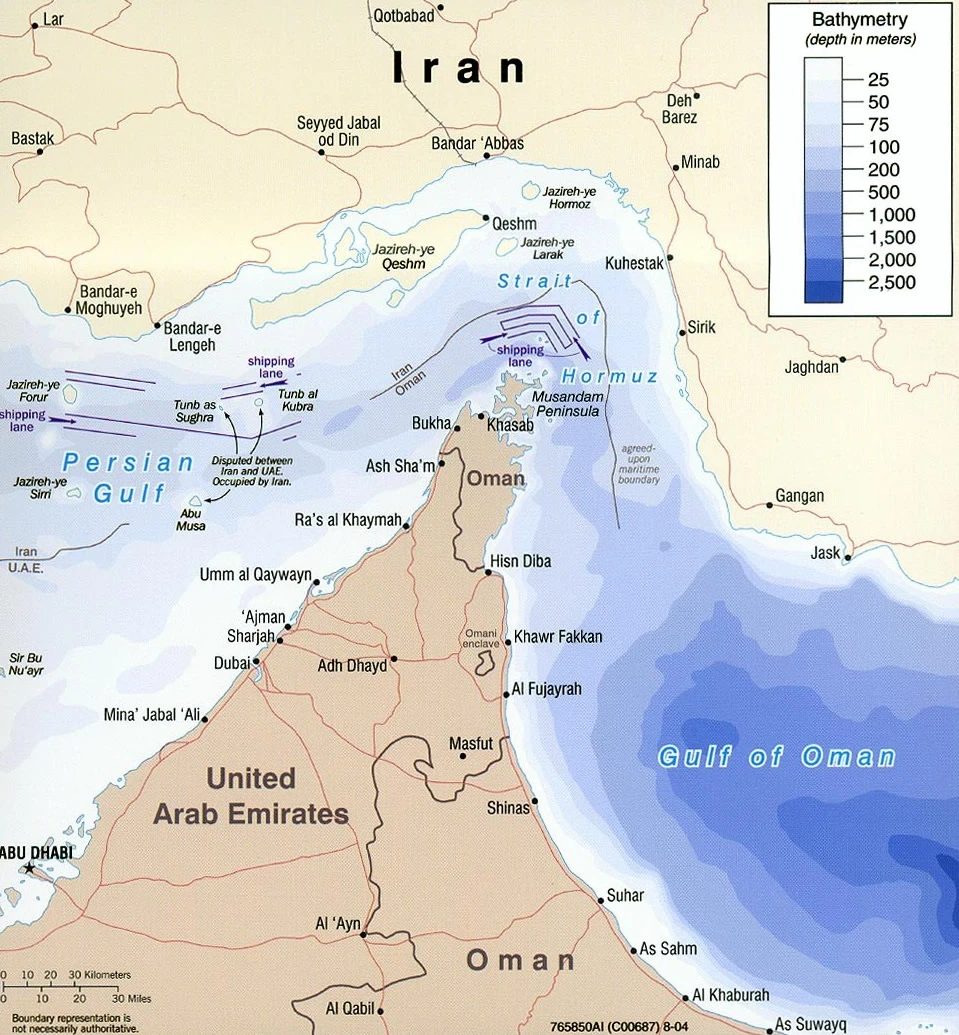
The Strait of Hormuz remains the center of gravity. The U.S. military said the waterway stayed open even after Iran claimed otherwise, underscoring how much of the new deal depends on controlling a chokepoint that carries enormous leverage for both sides. Before the war, Iran had already become adept at sanctions evasion through ship-to-ship transfers, AIS disabling and alternative payment mechanisms. That means the issue for U.S. policy is not whether Iran can sell some oil. It is whether Washington can prevent Tehran from using relief, time and restored cash flow to rebuild the very capabilities that the war only partially blunted.
Sources
- [1]news.google.com
- [2]apnews.com
- [3]reuters.com
- [4]bloomberg.com
- [5]usnews.com
- [6]cnn.com