Science
Ancient DNA links smallpox spread in the Americas to colonization
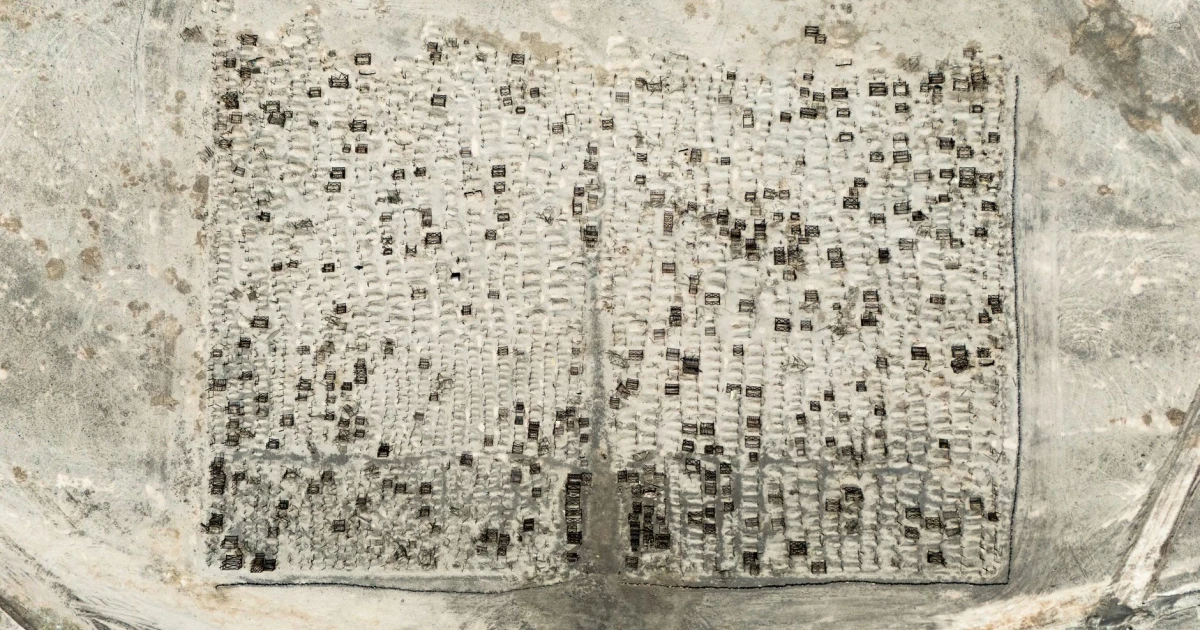
Ancient DNA extracted from two human mummies on Chile’s Camarones coast has given scientists the clearest biological evidence yet that smallpox arrived in the Americas with European colonization. The remains came from the early Spanish colonial period near the Inca archaeological site of Camarones 9 in northern Chile, a coastal find that ties a devastating disease directly to the era of conquest.
The discovery sharpens one of the central historical questions of the Americas: whether smallpox spread before Europeans arrived, or whether colonization carried it across the Atlantic. The new genetic evidence supports the second answer, showing that the virus was present in human remains from a period when Spanish rule was spreading through South America. That matters because smallpox was one of the deadliest diseases in world history and helped drive the collapse of Indigenous populations across the hemisphere.
Spanish conquistadors reached the New World five centuries ago with muskets, cannons, armor, horses and attack dogs. The DNA from the Chilean mummies adds a different kind of evidence to that familiar account, indicating they also carried pathogens that had no natural defense in Indigenous communities. The result turns a long-standing historical debate into a biological finding grounded in preserved genetic material.
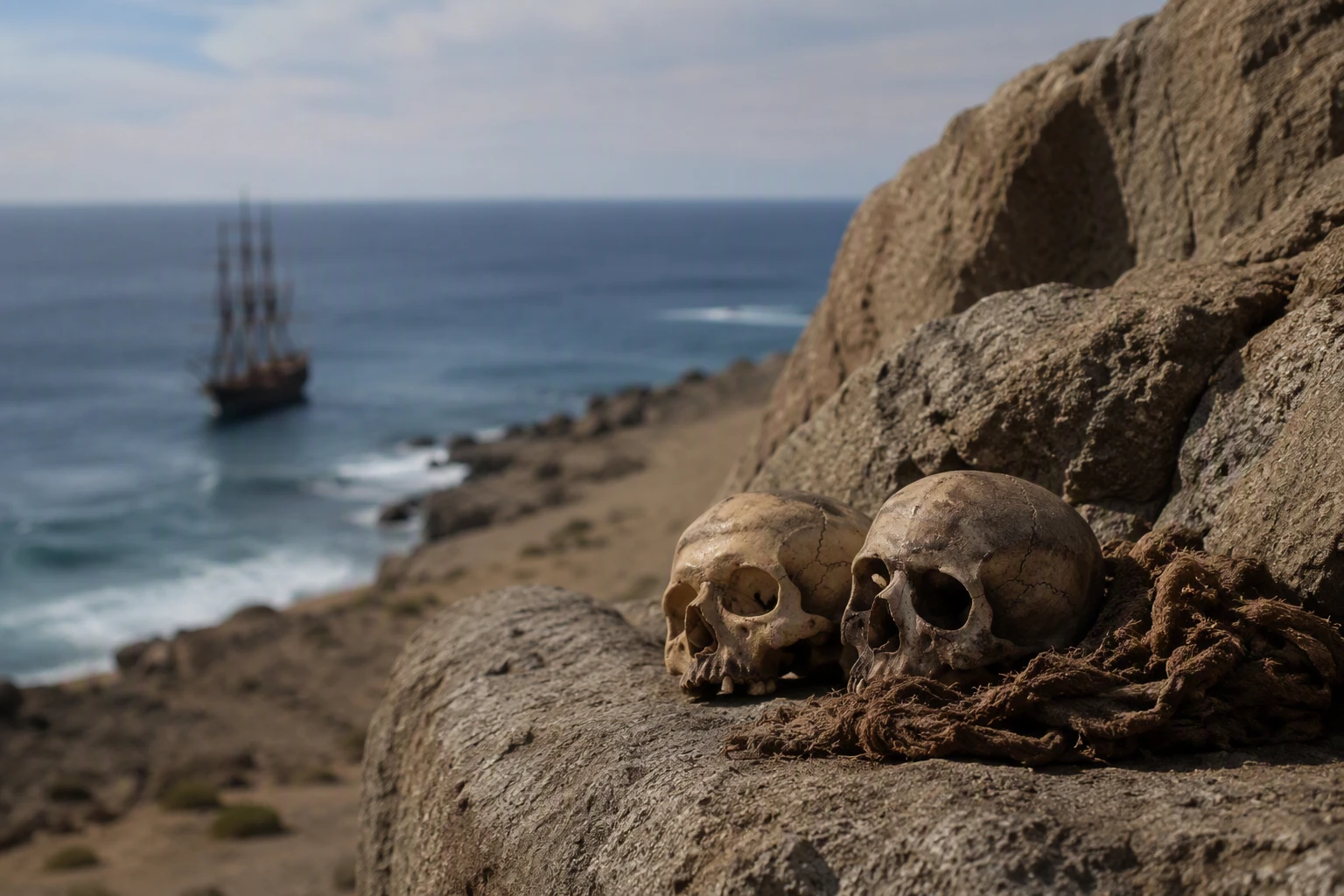
Scientists identified the virus by analyzing DNA preserved in the mummies. Related coverage described the samples as some of the oldest virus material found on American soil and as the first direct molecular evidence of smallpox in the Inca and colonial Americas. A Nature analysis framed the finding as the first genomic evidence pointing to Europeans as the source of smallpox in the Americas, while New Scientist said DNA from Inca mummies confirmed a strain of smallpox that first emerged in Europe.
The finding also underlines how colonization reshaped the Americas through disease as much as through military conquest. That demographic shock had lasting political and social consequences, and the new genetic evidence gives historians and Indigenous communities a firmer scientific basis for documenting it. Smallpox was later declared eradicated in 1980 by the Centers for Disease Control and Prevention, but its earlier role in the Americas remains one of the most destructive public-health disasters in recorded history.
Sources
- [1]apnews.com
- [2]gmg-d-wdiv-prod.cdn.arcpublishing.com
- [3]reuters.com
- [4]straitstimes.com
- [5]popsci.com
- [6]euronews.com
- [7]english.elpais.com
- [8]nature.com
- [9]cdc.gov
- [10]cidrap.umn.edu
- [11]wlns.com