Health
Ancient DNA Studies Reveal Clues to Human Evolution
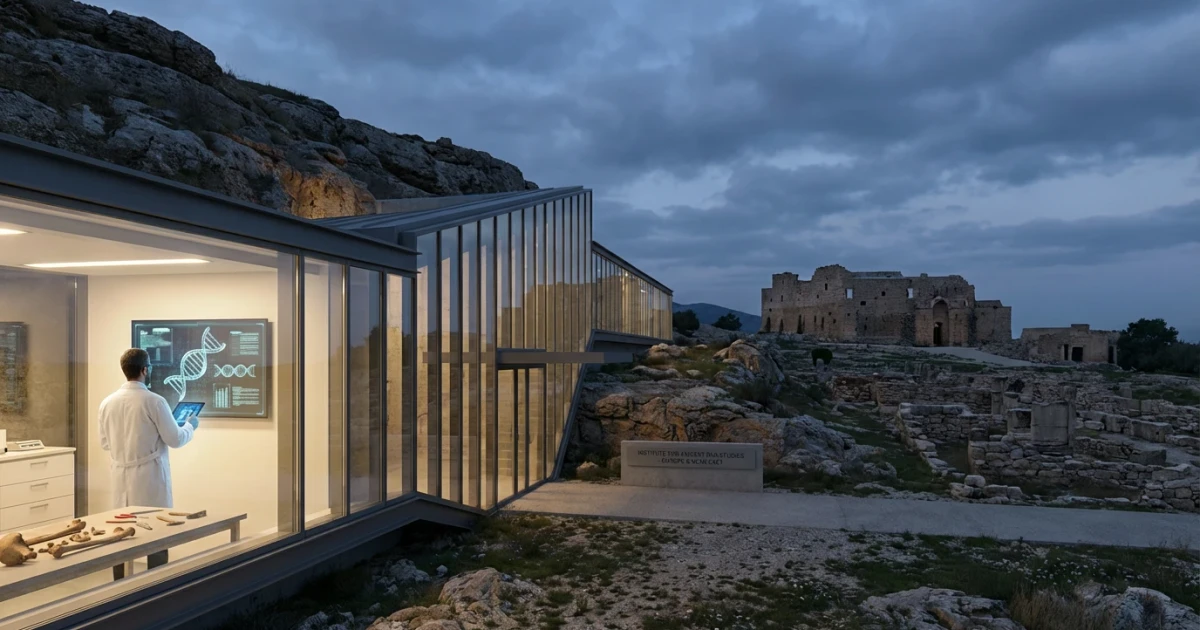
Recent research analyzing ancient DNA from Europe and the Near East is offering fresh insights into the evolution of modern humans. By examining genetic material from archaeological remains, scientists are uncovering how natural selection has shaped our species — and continues to do so today.
Unlocking Evolutionary Secrets in Ancient DNA
According to The Times of Israel, a team of international geneticists and archaeologists sequenced and compared DNA extracted from ancient human bones, some dating back thousands of years. This comprehensive analysis helps reconstruct migration patterns, population changes, and the genetic adaptations that occurred as humans settled new environments.
The data, now accessible in repositories such as the European Nucleotide Archive and the Reich Lab Ancient DNA Dataset Repository, enables researchers to trace how different groups mixed and adapted genetically across the continent and surrounding regions.
Genes Under Selection: Red Hair and Beyond
One of the standout findings is evidence that natural selection has favored genes linked to traits such as red hair. The Times of Israel reported that these hair color genes became more prevalent in certain European populations over time, possibly due to environmental or social pressures. This supports the view that human evolution is ongoing, with traits conferring advantages in specific climates or societies becoming more common.
Beyond hair color, other genes under recent selection involve skin pigmentation, immunity, and metabolism. These adaptations likely helped ancient humans survive new diets, pathogens, and sunlight levels as they migrated across diverse landscapes. For a broader context on the technical process of identifying such genetic adaptations, readers can consult the Ancient DNA Wiki and the Oxford Handbook of Ancient DNA: Human Evolution in Europe.
Reconstructing Migrations and Population Structure
- Analysis of ancient genomes reveals multiple waves of migration into Europe and the Near East.
- Interbreeding between migrating groups and local populations resulted in complex genetic mosaics.
- Modern Europeans and Near Easterners inherit ancestry from hunter-gatherers, early farmers, and later steppe pastoralists.
These findings align with previous large-scale studies, such as those summarized in Nature's review of southeastern European genomics, which show how ancient DNA helps map the formation of today's population structure.
Implications for Modern Human Health and Diversity
The ongoing study of ancient DNA is not just about the past. By identifying how natural selection has acted on genes tied to immunity and metabolism, scientists are gaining clues to why certain populations are more susceptible or resistant to modern diseases. The NCBI Ancient Genome Database provides a growing library of such findings, offering resources for medical and evolutionary research alike.
Looking Forward
As analytical techniques and ancient genome projects expand, the picture of human evolution in Europe and the Near East will become even clearer. Ongoing discoveries reinforce the idea that human evolution is a continuous process, shaped by both ancient and modern forces of selection.
Future research promises to uncover more about how our ancestors adapted to changing environments — and what that means for human diversity and health today.