Science
Ancient DNA Study Sheds Light on West Eurasian Evolution
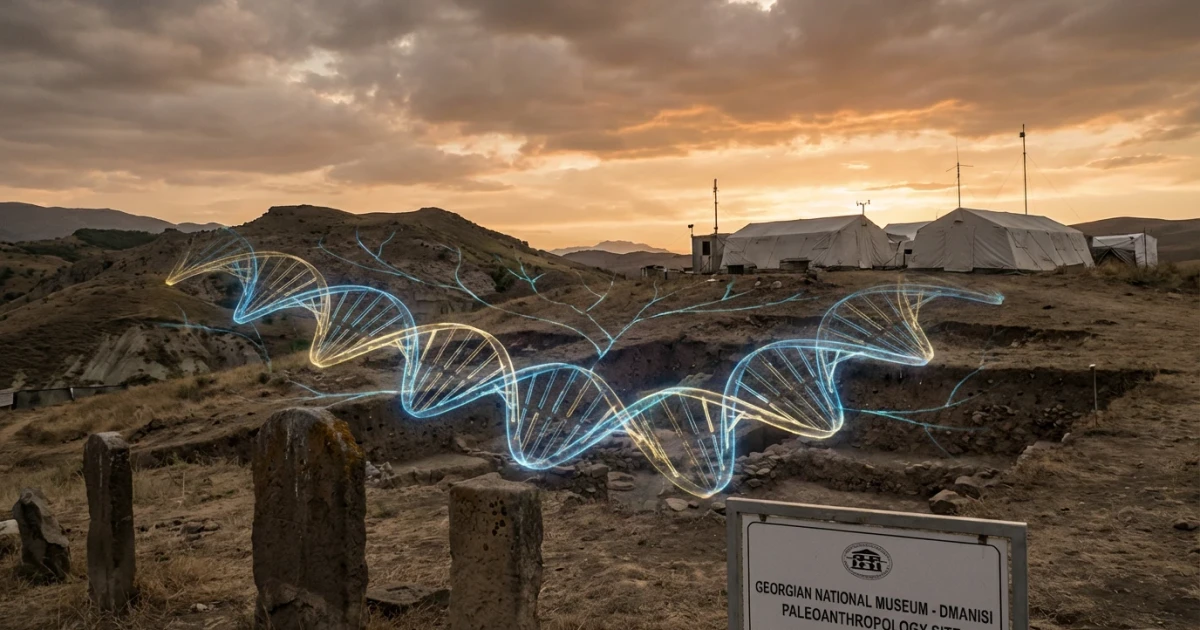
A groundbreaking study published in Nature has found that natural selection has played a persistent and powerful role in shaping the genes of human populations across West Eurasia. Drawing on large-scale ancient DNA analysis, the research challenges the notion that modern lifestyles have largely halted human evolution, instead revealing that our genetic makeup has continued to adapt in recent millennia.
Extensive Ancient DNA Reveals Directional Selection
The Nature article details how scientists analyzed genome-wide data from thousands of ancient individuals spanning the past 11,000 years. By comparing these ancient genomes to those of present-day populations, researchers identified hundreds of genetic variants—known as selection signals—that show evidence of directional selection. This means certain gene variants increased in frequency over time, likely due to their adaptive advantages in changing environments.
- The team examined more than 1,600 ancient genomes from across Europe, the Near East, and Central Asia.
- They assessed allele frequency shifts at thousands of genetic loci, cross-referencing modern and ancient populations.
- Many of the strongest signals corresponded to genes involved in immunity, metabolism, and physical traits such as skin pigmentation.
Key Findings: Immunity, Diet, and Environment
One major insight is the evidence for selection related to immunity genes, especially those responding to pathogens. As populations transitioned from hunter-gatherer to agricultural lifestyles, exposure to new diseases increased. The study found that immune system genes underwent significant changes, suggesting adaptation to denser living conditions and novel pathogens.
Researchers also identified selection on genes related to diet and metabolism. For example, variants associated with lactose tolerance and starch digestion rose in frequency, reflecting the genetic adaptation to agricultural diets rich in dairy and grains.
Physical traits like skin pigmentation also showed evidence of ongoing selection. As humans migrated to higher latitudes with less sunlight, gene variants that aided vitamin D synthesis became more prevalent.
Statistics and Data Sources
- The research leveraged raw sequencing data from the ENA Project PRJEB69739, providing open access to ancient DNA samples and metadata for further study.
- Comparisons to the NHGRI-EBI GWAS Catalog linked ancient selection signals to known disease risks and traits in modern populations.
- Modern population data from the 1000 Genomes Project helped map the trajectory of allele frequencies over time.
Challenging the "End of Evolution" View
For decades, some scientists believed that advances in medicine, technology, and culture had largely buffered humans from natural selection. However, this new research counters that idea, showing that evolutionary pressures persisted well into the historical era. The study's authors note that many of the most significant genetic changes occurred within the last 5,000 years—a period coinciding with urbanization, dietary shifts, and major population movements.
The findings have wide implications for understanding present-day health and disease. Many traits shaped by past selection—such as immune responses or metabolic flexibility—continue to impact populations today, sometimes contributing to disease risks or drug responses.
What This Means for Human Evolution
According to the Nature article, this study provides one of the most comprehensive views yet of how natural selection has acted on the human genome in recent history. The results underscore that evolution is an ongoing process, shaped by both environment and culture. As humans continue to adapt to new challenges—including pandemics, dietary changes, and climate shifts—our genes will likely keep evolving.
For readers interested in exploring the data firsthand, the Reich Lab and public databases provide downloadable ancient DNA and allele frequency tables, allowing for independent analysis and deeper dives into specific loci under selection.
As research in ancient DNA advances, our understanding of human adaptation—and its relevance to current health—will only deepen, offering new perspectives on the complex interplay of genes, culture, and environment.