Science
Ancient Giant Scorpion Fossil Reveals Prehistoric Predator
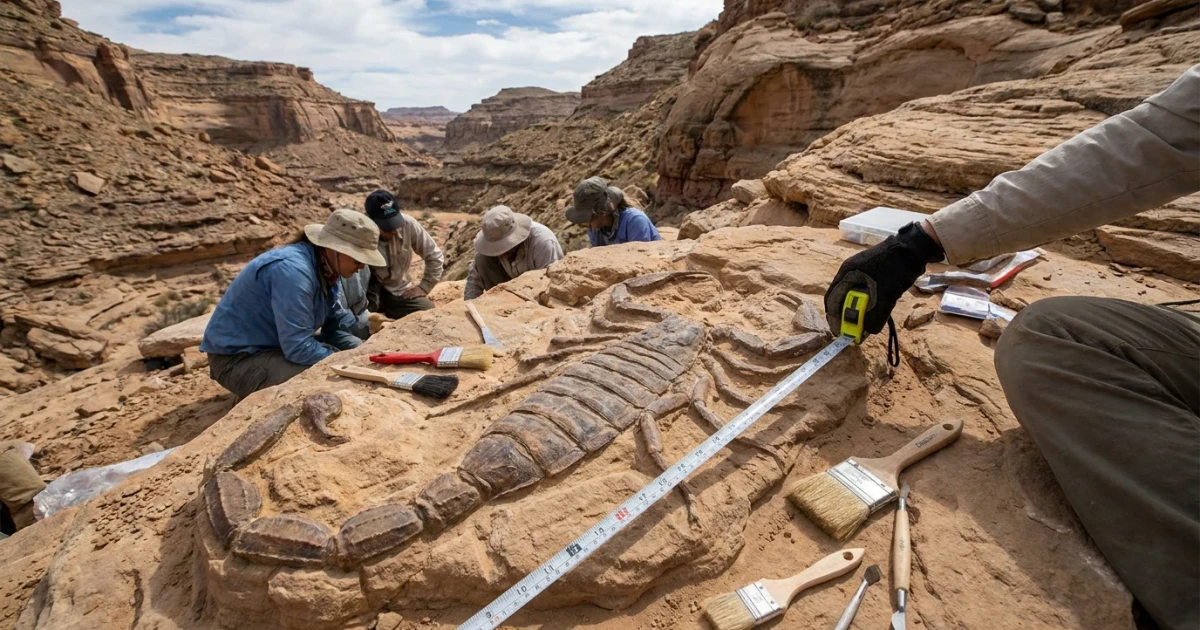
Scientists have unveiled the fossilized remains of the largest scorpion ever discovered, a creature measuring more than three feet in length with formidable six-inch pinchers. This remarkable find, detailed in a recent study highlighted by the New York Post, is reshaping our understanding of the size and predatory capabilities of ancient arthropods.
Discovery of a Prehistoric Giant
The fossil dates back 415 million years, placing the scorpion in the Silurian period, a time when marine and terrestrial life was diversifying rapidly. According to researchers, this giant scorpion represents not just a record-breaking specimen, but a crucial link in the evolutionary story of eurypterids, the group commonly known as “sea scorpions.” The study indicates that these ancient predators could grow to sizes previously thought impossible, dwarfing modern scorpions and rivaling the largest arthropods known.
Unprecedented Size and Features
- The fossilized scorpion measured over three feet long, far exceeding the size of any living scorpion.
- Its six-inch pinchers suggest a powerful predatory lifestyle, capable of capturing sizable prey.
- The specimen was preserved in sedimentary rock, providing clues about its habitat and the environmental conditions of the Silurian period.
For readers interested in the technical details and measurements, the peer-reviewed research article offers the full description, fossil analysis, and evolutionary significance of this discovery.
Evolutionary Context and Gigantism
This giant scorpion is part of a broader family of extinct arthropods known as Terropterus xiushanensis, some of which are cataloged in the American Museum of Natural History fossil collection. Eurypterids were once dominant aquatic predators, and their size was influenced by factors such as oxygen levels, climate, and ecological competition. Research published in Palaeogeography, Palaeoclimatology, Palaeoecology explores the phenomenon of eurypterid gigantism, showing that these creatures reached their maximum size during periods of environmental stability and abundant resources.
Key Insights from Recent Study
- Gigantism in eurypterids is linked to evolutionary pressures and may have allowed them to dominate their habitats.
- The newly discovered specimen is among the largest sea scorpions ever recorded, highlighting the diversity and adaptability of these ancient predators.
- Modern scorpions, by contrast, rarely grow beyond eight inches, with their ancient ancestors far surpassing them in size and strength.
Implications for Paleontology
The discovery of this three-foot-long scorpion fossil provides valuable information for paleontologists studying prehistoric ecosystems. It offers direct evidence of the scale and complexity of ancient food webs, as well as the evolutionary pathways that led to modern arthropods. As noted in the Scientific Reports publication, these findings open new avenues for understanding how environmental changes influenced the development of gigantism in ancient species.
Conclusion
With its massive size and powerful pinchers, the largest scorpion ever discovered stands as a testament to the extraordinary biodiversity of the Silurian period. The fossil’s preservation and study not only expand our knowledge of prehistoric predators, but also underscore the dynamic evolutionary forces that shaped the ancient world. Ongoing research continues to shed light on these giant arthropods, offering a glimpse into a time when creatures of astonishing proportions roamed the earth—and the seas.