World
Ancient solar-aligned posts near Stonehenge predate the monument by 500 years
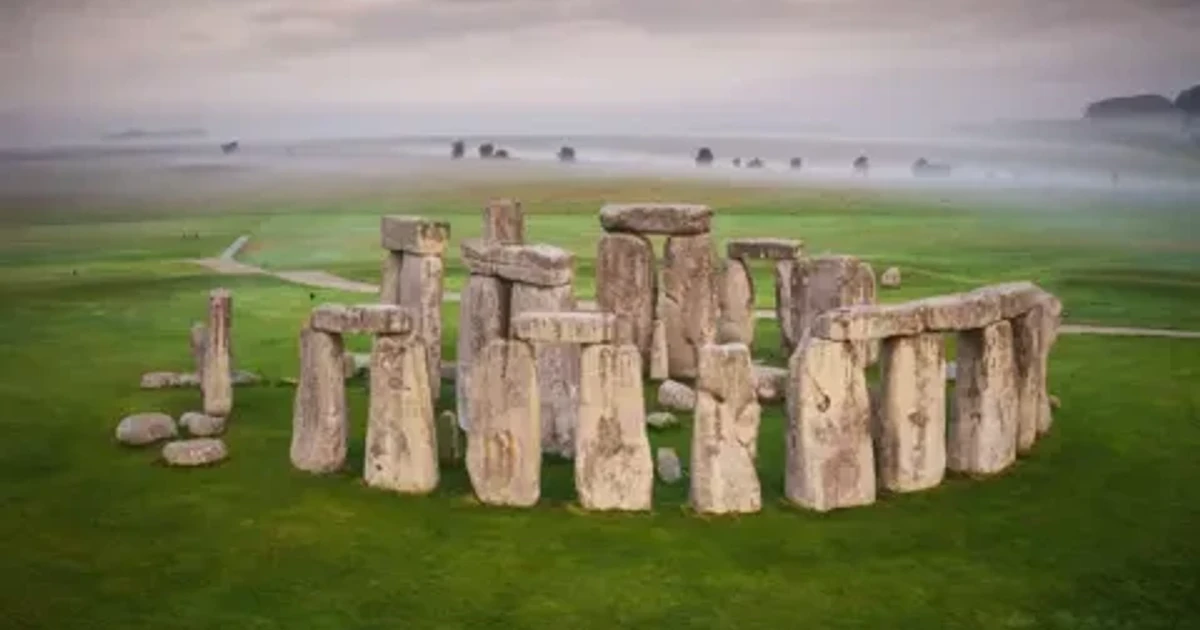
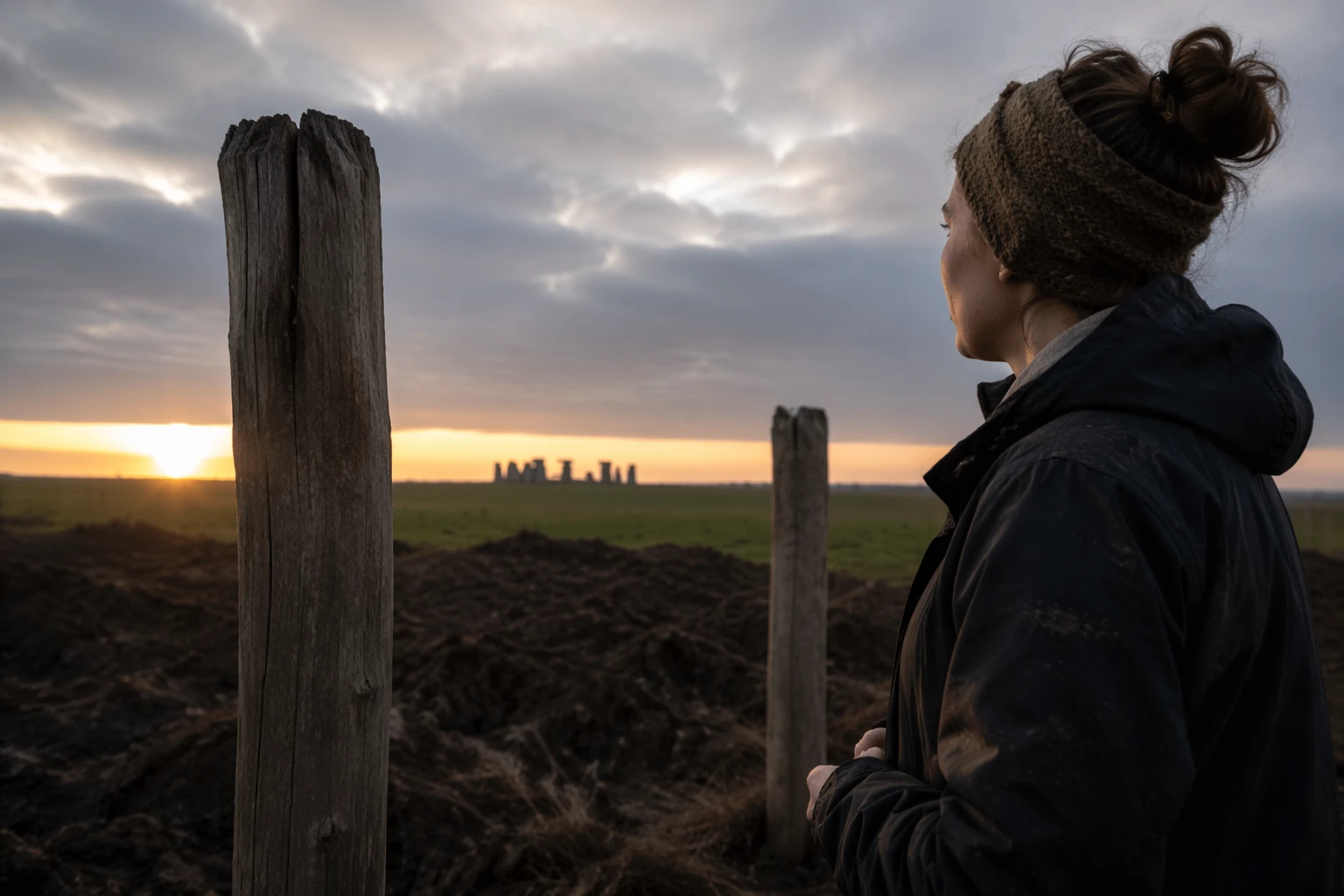
Two wooden poles once stood 120 meters apart at Bulford, about 5 kilometers from Stonehenge, and they were set to catch the summer solstice sunrise and the winter solstice sunset. That alignment, preserved only through excavation and years of analysis, pushes a major ceremonial feature in the Stonehenge landscape back about 500 years before the monument itself.
The discovery came from archaeological work on Ministry of Defence land tied to the Army Basing Programme, which was designed to make room for about 4,000 service personnel and their families returning from Germany to bases on and around Salisbury Plain. The Bulford site was part of plans for 227 new Army family homes, a reminder that some of Britain’s most sensitive prehistoric remains still lie under land managed for modern defense needs.
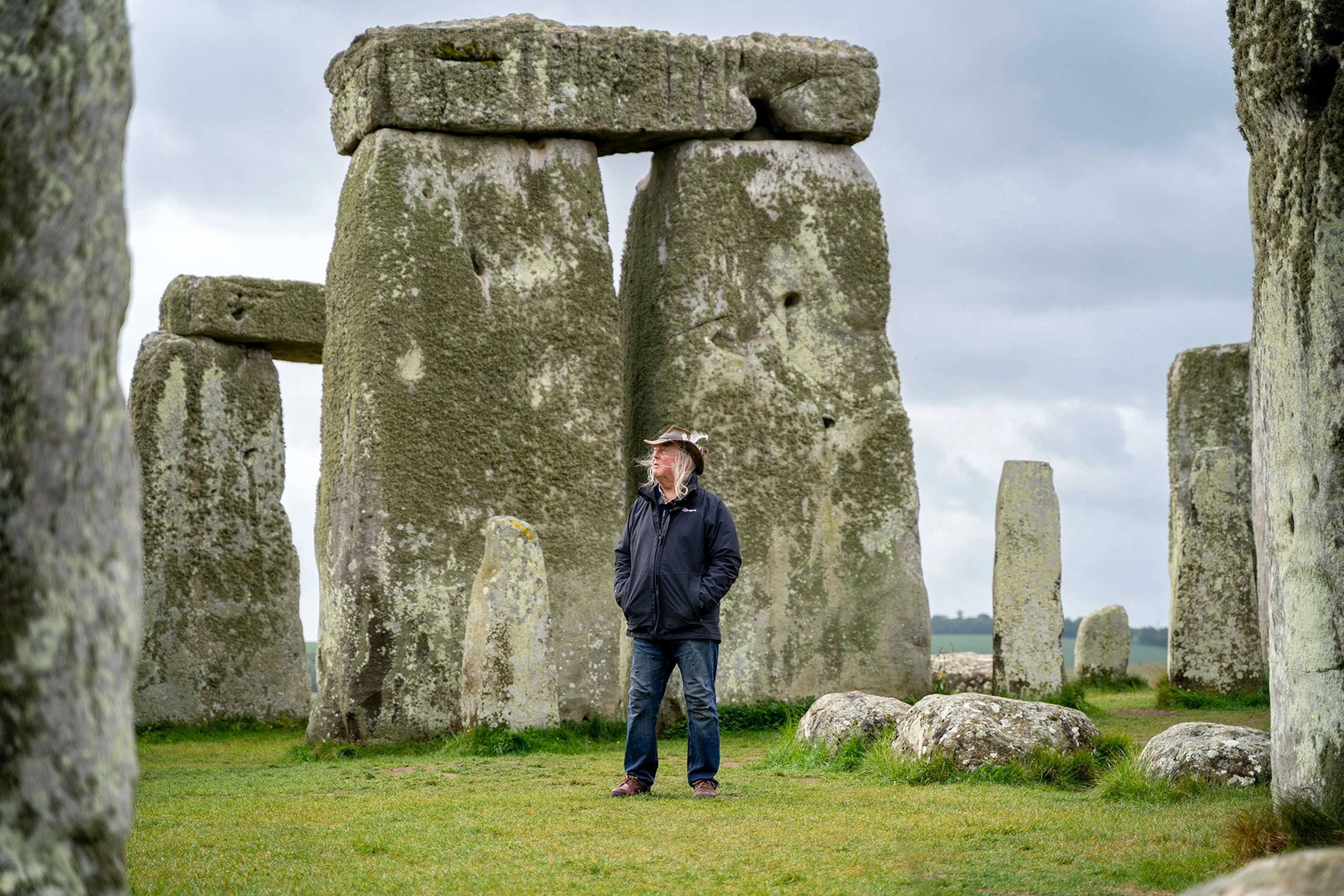
Phil Harding led the Wessex Archaeology team that examined the site between 2015 and 2017. He described the find as one of the highlights of his career. Alongside the post alignment, the dig produced pottery, animal bones and a very rare disc-shaped knife, evidence archaeologists said points to major religious gatherings rather than an isolated pair of posts in the ground.
The significance reaches beyond Bulford itself. Researchers say the find strengthens the case that the wider Stonehenge ceremonial landscape did not begin with the stone circle. Earlier work has already suggested that key relationships and foundational principles in that landscape pre-date Stonehenge’s earliest phases by at least 600 years, and the new solar-aligned structure adds another piece to that timeline. It suggests that attention to the sun was embedded in the Wessex landscape long before the main monument took shape.
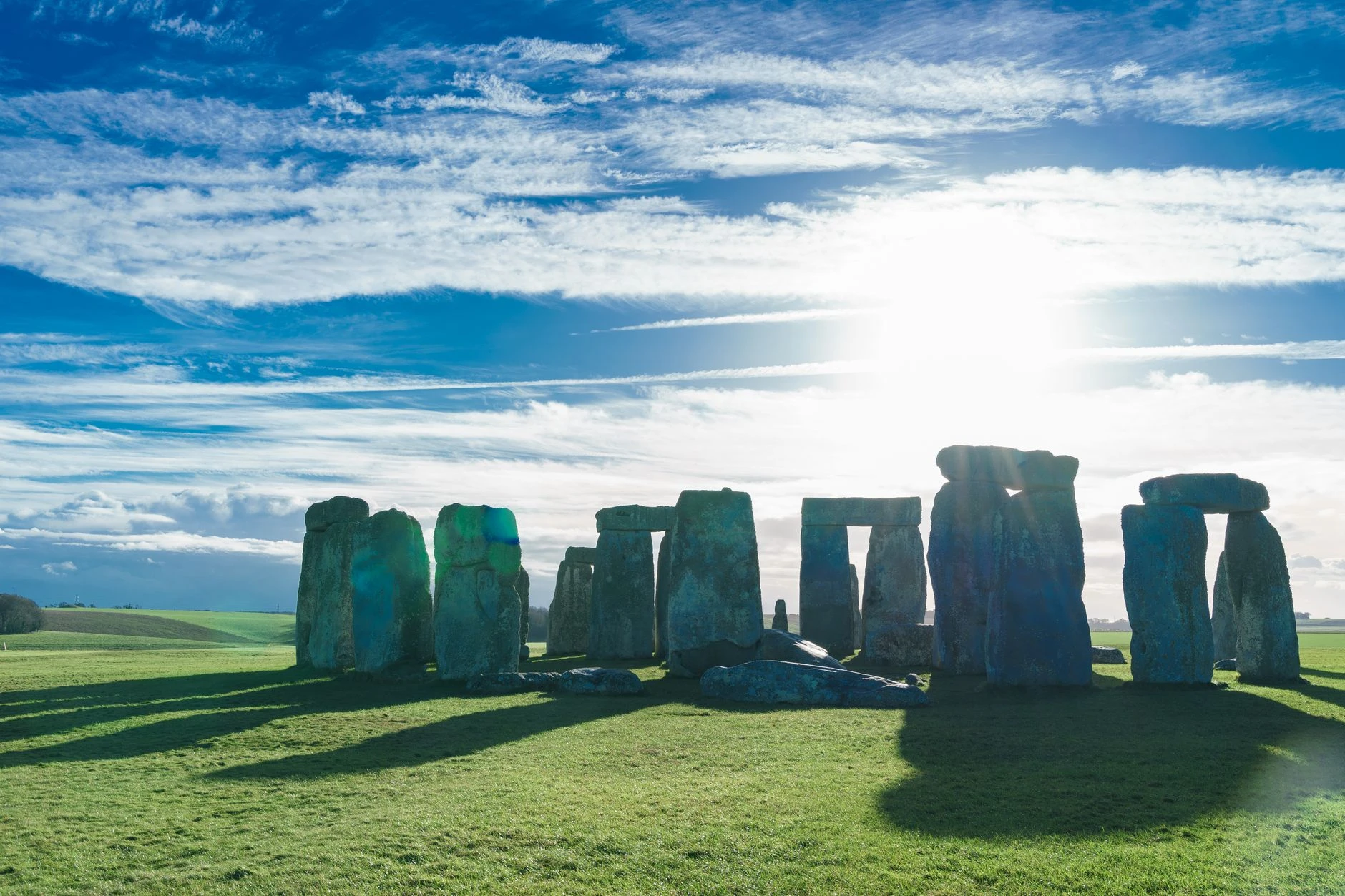
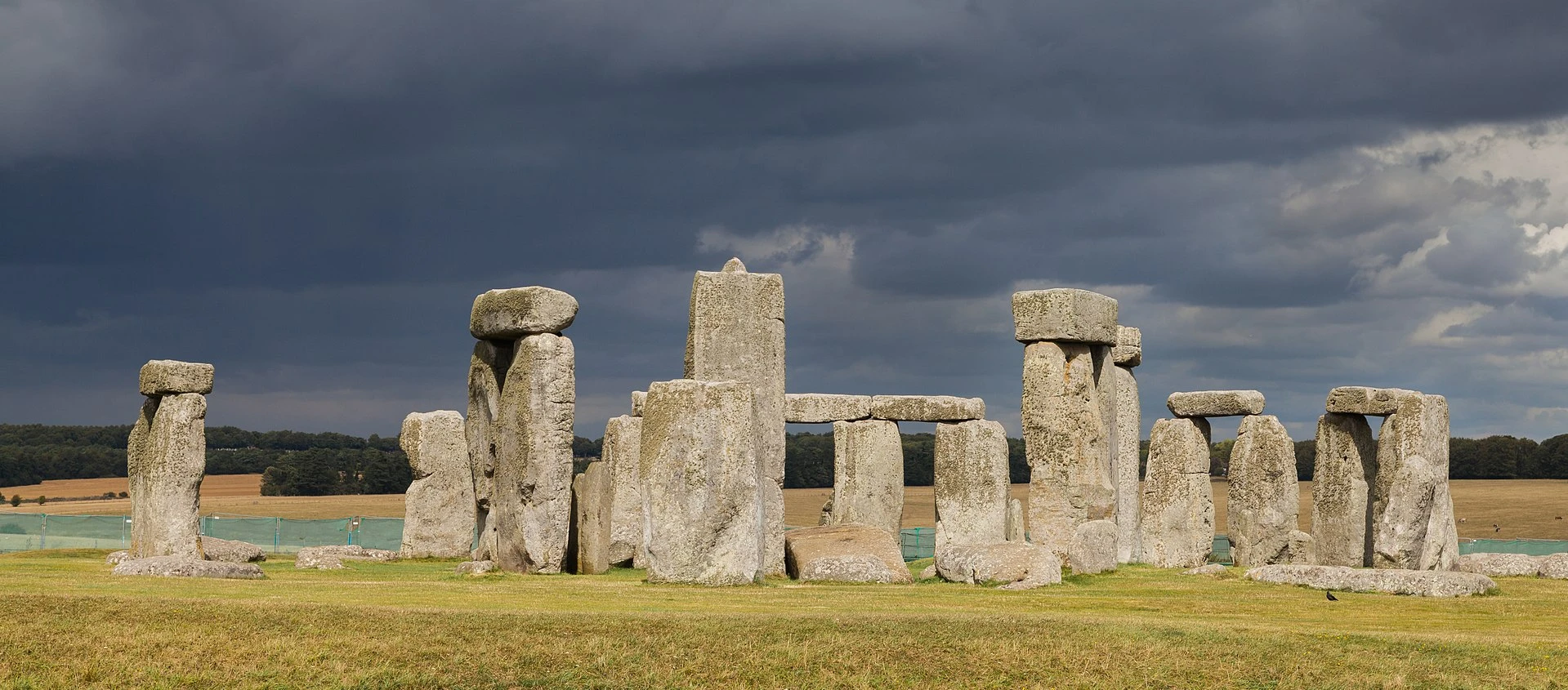
Stonehenge itself was built in stages. English Heritage says the first monument was an early henge erected about 5,000 years ago, and the iconic stone circle was added around 2500 BC. The new Bulford evidence does not compete with Stonehenge’s fame so much as widen the frame around it, showing that the monument emerged from a landscape already marked by ritual planning, observation and repeated ceremonial use. It also underscores why archaeology on defense land matters: without advance survey and excavation, a site that may alter how Britain understands the origins of Stonehenge could have been lost to housing for returning military families.