Science
Ancient Survivor: 512-Million-Year-Old Animal Species Discovered in China
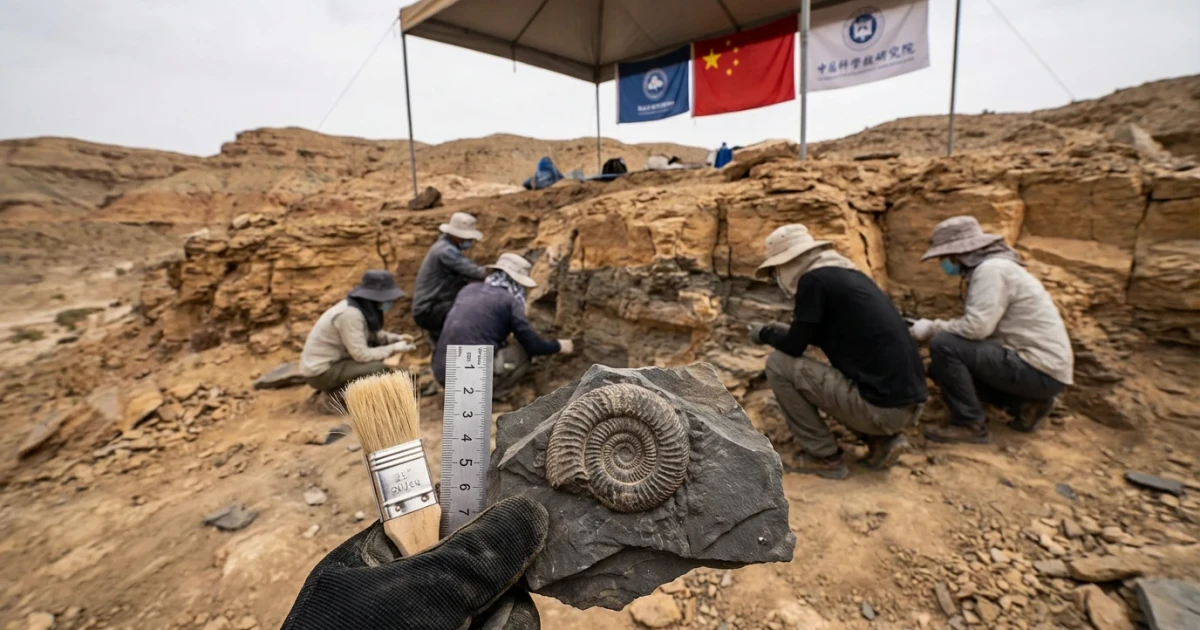
Scientists have uncovered a remarkable new animal species in a Chinese quarry that astonishingly survived a mass extinction event over 500 million years ago. This discovery, which stems from an extensive fossil find, is reshaping our understanding of early life on Earth and the resilience of ancient ecosystems.
Discovery in a Chinese Quarry
The fossilized remains of the new species were found in a quarry in China, a region known for its rich paleontological sites. According to reports, the site yielded a "fossil bonanza" preserving an ecosystem dating back approximately 512 million years. This period, known as the Cambrian, was marked by a rapid diversification of life but also by significant extinction events that wiped out many early species.
Surviving a Mass Extinction
The animal species identified in this find is significant because it appears to have survived a mass extinction event that occurred half a billion years ago. Such mass extinctions are rare but pivotal in Earth’s history, often resulting in the loss of a majority of existing species. That this newly discovered creature managed to endure such a cataclysmic event provides critical insight into the adaptability and evolution of early multicellular life.
Implications for Evolutionary Science
The quarry's fossil record offers a rare snapshot of an ancient ecosystem, preserving not only the new species but also a diverse array of other contemporaneous life forms. This helps scientists reconstruct the structure and function of early marine communities and trace the evolutionary lineage of surviving groups.
- Age of fossils: Approximately 512 million years old
- Geological period: Cambrian
- Location: Quarry in China
- Key finding: Animal species that survived a mass extinction event
Why This Matters
The discovery underscores the importance of fossil-rich sites in China for revealing unexpected chapters in natural history. It also highlights how even ancient mass extinctions could leave behind survivors whose descendants may have shaped the evolutionary path of life on Earth. As research continues, the newly discovered species may offer further clues about the resilience of life and the environmental conditions of the Cambrian period.
Looking Forward
Paleontologists are expected to conduct more detailed analyses of the fossil site and the preserved ecosystem. This work will likely reveal more about how early animal life adapted to dramatic changes in Earth's environment and could inform theories about modern biodiversity and extinction events. The discovery in China stands as a testament to the enduring mysteries of our planet’s distant past and the ongoing quest to uncover them.
Sources
- [1]CBS News