Sports
Andréi Arshavin pasa inadvertido en la inauguración del Mundial en México
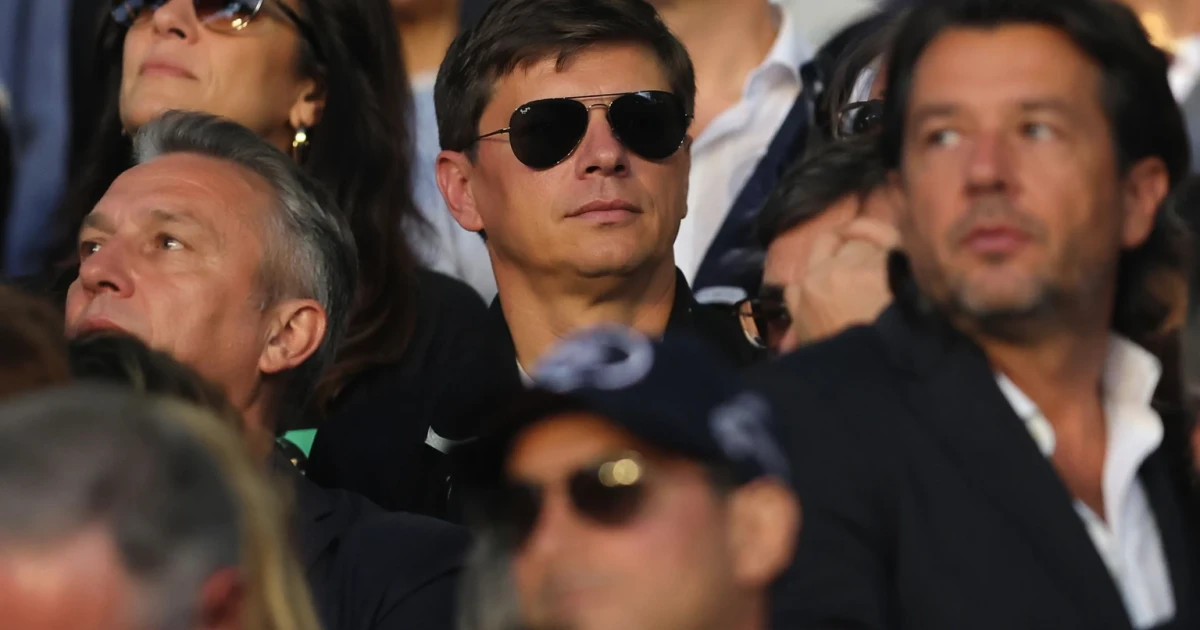
Andréi Arshavin moved through the World Cup opening ceremony in Mexico City nearly invisible to the crowd, dressed in disguise and keeping silent as FIFA turned Estadio Ciudad de México into a stage for memory and spectacle. The former Russia star was present at the inauguration, but the point of the scene was not recognition. It was the opposite: a familiar football name hidden inside one of the sport’s most choreographed national performances.
That tension fit the setting. Estadio Ciudad de México, better known historically as Estadio Azteca, is one of FIFA’s most charged World Cup venues, after hosting opening ceremonies in Mexico 1970 and Mexico 1986. The 2026 tournament returned there with a new format that spread opening ceremonies across Mexico, Canada and the United States, while the Mexico City ceremony began 90 minutes before kickoff. FIFA also lined up a cast designed to project local scale and global reach at once: Alejandro Fernández, Belinda, Danny Ocean, J Balvin, Lila Downs, Los Ángeles Azules, Maná and Tyla.
The crowd reflected that ambition. More than 80,000 fans made their way into Mexico City Stadium for the start, even as protests and social tensions played out outside the venue. In that atmosphere, Arshavin’s disguised appearance read less like a celebrity cameo than a reminder of how major tournaments manage image. They do not simply stage football. They stage a nation, choosing symbols that can be read instantly by television audiences and by those who know the game’s history. A once-iconic Russian player, made intentionally hard to spot, became part of that script.
The historical framing only sharpened the effect. FIFA has treated Mexico City as a recurring opening act in World Cup memory, and the contrast with 2010 was stark. That tournament, the first ever held on African soil, opened on June 11, 2010 at Soccer City in Johannesburg, two hours before the inaugural match. By bringing the World Cup back to Estadio Azteca for another opening ceremony, FIFA tied the present to two previous Mexican launches and to a broader tradition in which stadiums function as national theaters. Arshavin’s near-invisibility was the point: in a spectacle built on nostalgia, branding and political messaging, even a famous face can be most useful when it disappears into the scene.
Sources
- [1]telemundo.com
- [2]inside.fifa.com
- [3]fifa.com
- [4]nytimes.com
- [5]dailydemocrat.com
- [6]en.wikipedia.org