Politics
Andy Beshear weighs White House bid as Kentucky profile rises

Andy Beshear’s rise has turned Kentucky into a proving ground for Democrats looking for a message that can win outside blue states. The two-term governor, first sworn in in December 2019 and reelected in 2023 over Republican Daniel Cameron, is now being discussed as a possible White House contender while his current term runs until December 7, 2027.
Beshear’s political identity is tightly tied to family and faith. He is the son of former Kentucky governor Steve Beshear and former first lady Jane Beshear, and state materials say those ties helped shape his emphasis on public service. Beshear and First Lady Britainy Beshear live in Frankfort with their two children, Will and Lila, and the family belongs to Louisville’s Beargrass Christian Church.
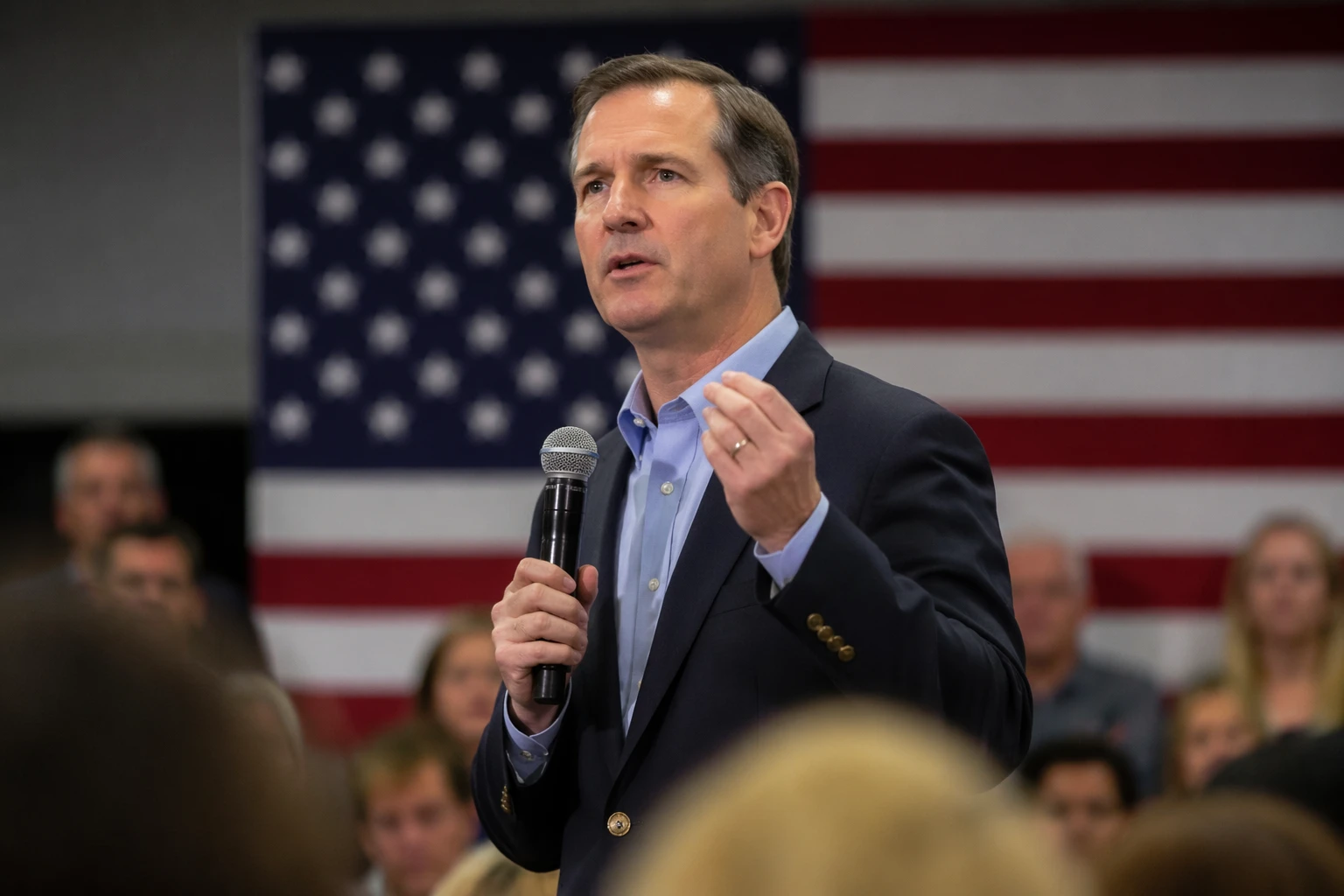
That personal brand has been paired with an executive record that Kentucky Democrats are eager to present as evidence of broad appeal. State materials credit Beshear with record-high budget surpluses, record-low unemployment, multiple years of top private-sector investment and lower income taxes. His office also says more than 194,000 Kentuckians have regained voting rights after completing sentences for nonviolent offenses, a figure that gives his administration a concrete civil-rights achievement in a state long shaped by criminal justice restrictions.
Beshear’s background has also been folded into the pitch. Official biographies note that his early jobs were around horses, including mucking stalls and giving riding lessons, a detail that fits a governor who has tried to project a grounded, local image rather than a national ideological one. State and campaign materials have leaned on that biography, along with his response to the COVID-19 pandemic and to the Western Kentucky tornadoes and Eastern Kentucky floods.
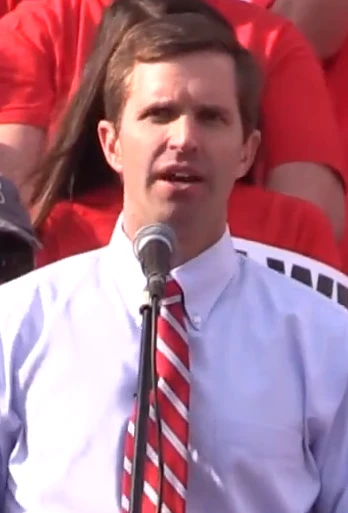
For Democrats, the larger question is whether Beshear’s Kentucky model can scale. As of 2026, Beshear and Lt. Gov. Jacqueline Coleman are the only Democrats holding statewide office in Kentucky, underscoring how unusual his wins are in a deep-red state. That rarity is what makes him valuable as a surrogate in 2026 battleground races and why interest in a 2028 campaign has taken hold. It also sets the limits of his appeal: a governor who has won by stressing competence, faith and economic management in Kentucky would still have to prove that the same formula can unify a national party that remains divided over how far moderation can go.
Sources
- [1]nytimes.com
- [2]governor.ky.gov
- [3]arc.gov
- [4]ballotpedia.org
- [5]kychamber.com