World
Andy Burnham emerges as Labour successor with sharp Trump criticism
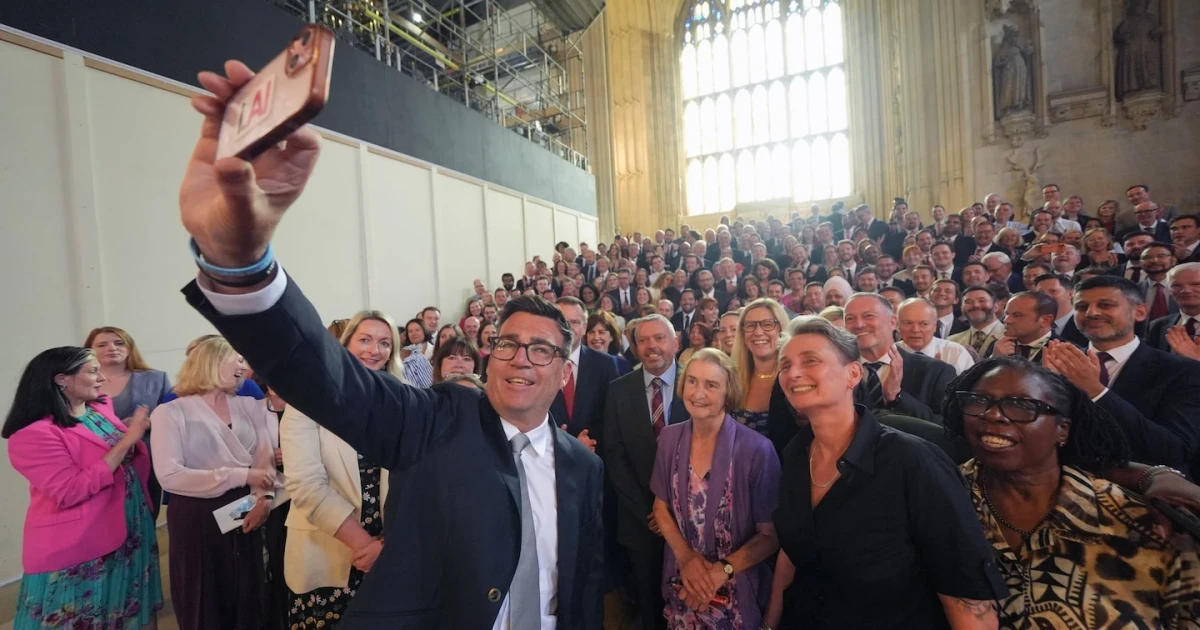
Andy Burnham’s rise as a possible Labour successor has quickly turned into a foreign-policy test: how would Britain’s next leader talk to Donald Trump? Burnham has not spent much time on the president, but the few public comments he has made have been sharply critical and unusually revealing about the kind of politics he thinks is spreading through Britain.
In June, as he campaigned for a place in Parliament, Burnham warned that Britain risked moving toward “the politics of the United States of America” and described that path as “a polarized, poisonous politics where people in communities don’t work together anymore.” In a separate interview last year, he said Trump was bringing “instability” to the U.S. and the world, and compared that effect to the instability Liz Truss brought to Britain. He has also said, “I’m all in favour of having the debate,” a sign that he does not intend to dismiss Trumpism as a passing aberration.
Burnham’s 2024 book with Steve Rotheram went further in explaining the political logic he sees behind Trump’s appeal. The pair wrote that “Donald Trump and Nigel Farage have been effective in connecting with people who feel politicians have neglected the place where they live,” and argued that a “new radical Right” was exploiting inequality and an “out-of-touch left-progressive establishment.” That is not an endorsement of Trump. It is a warning that the grievances powering Trump’s coalition can travel across the Atlantic if mainstream parties ignore them.

That matters now because Burnham has moved from speculation to serious possibility. He won the Makerfield by-election with 55% of the vote, defeating Reform candidate Robert Kenyon on 35%, and took his seat in Parliament on June 22. Keir Starmer had announced on June 16 that he would resign as prime minister and Labour leader after local election losses and 20 resignations from his government, opening the door to a contest over Labour’s future direction.
Trump added to the pressure on the same day Burnham entered Parliament, claiming on Truth Social that Starmer would quit because he had “failed badly” on immigration and energy policy and urging more North Sea oil production. Within Labour, Sadiq Khan has also warned that Trump’s “trade wars and tariffs” posed a threat to international affairs and called the moment “perilous” for the West.
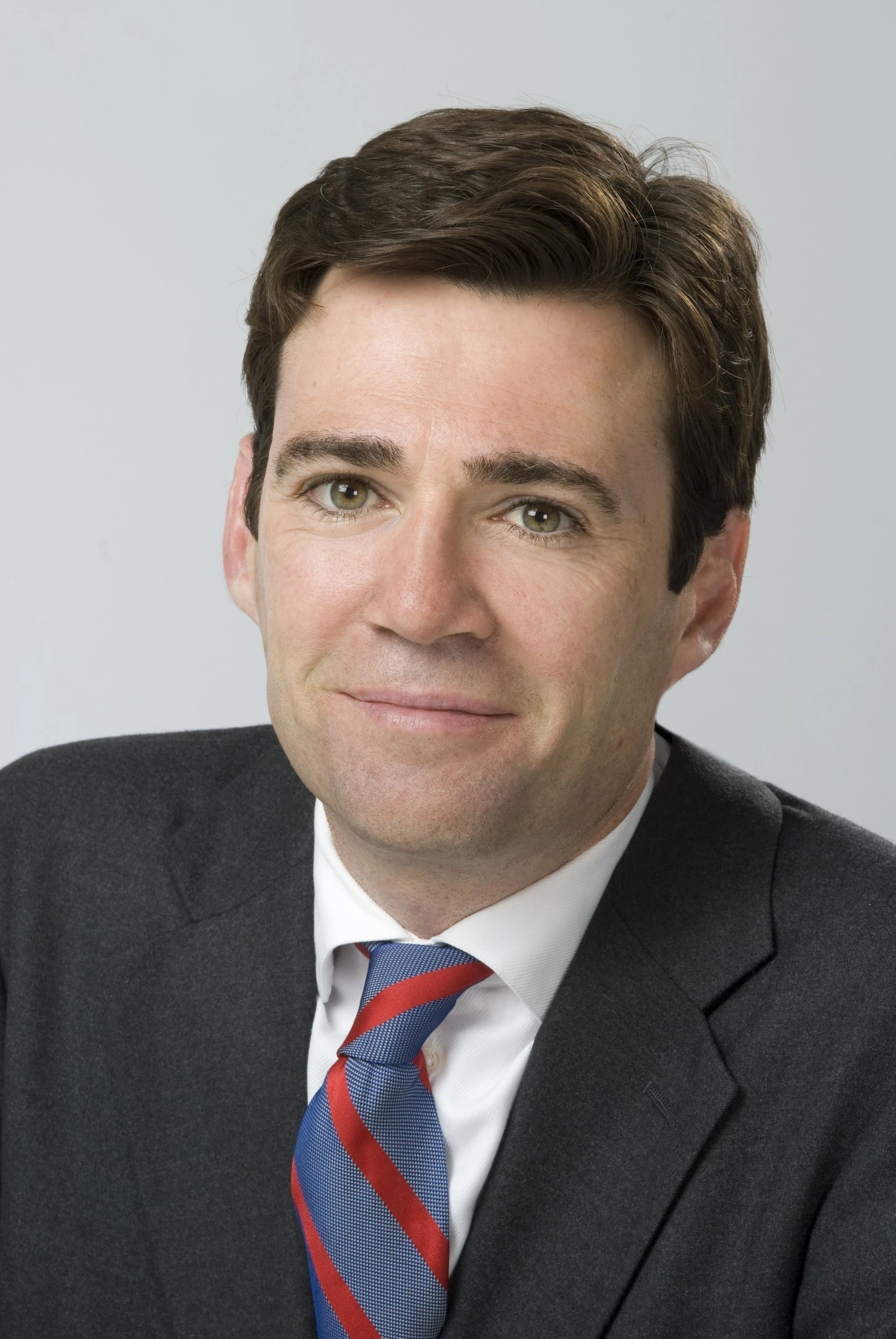
None of Burnham’s comments prove how he would govern with Trump in power. They do suggest something important: if Burnham becomes prime minister, the U.K.-U.S. relationship may sound less deferential, more skeptical and more willing to argue openly about populism, trade and political instability.
Sources
- [1]cbsnews.com
- [2]newsweek.com
- [3]telegraph.co.uk
- [4]thelondoneconomic.com
- [5]telegra.ph