Politics
Andy Burnham enters Labour leadership race after Starmer resignation
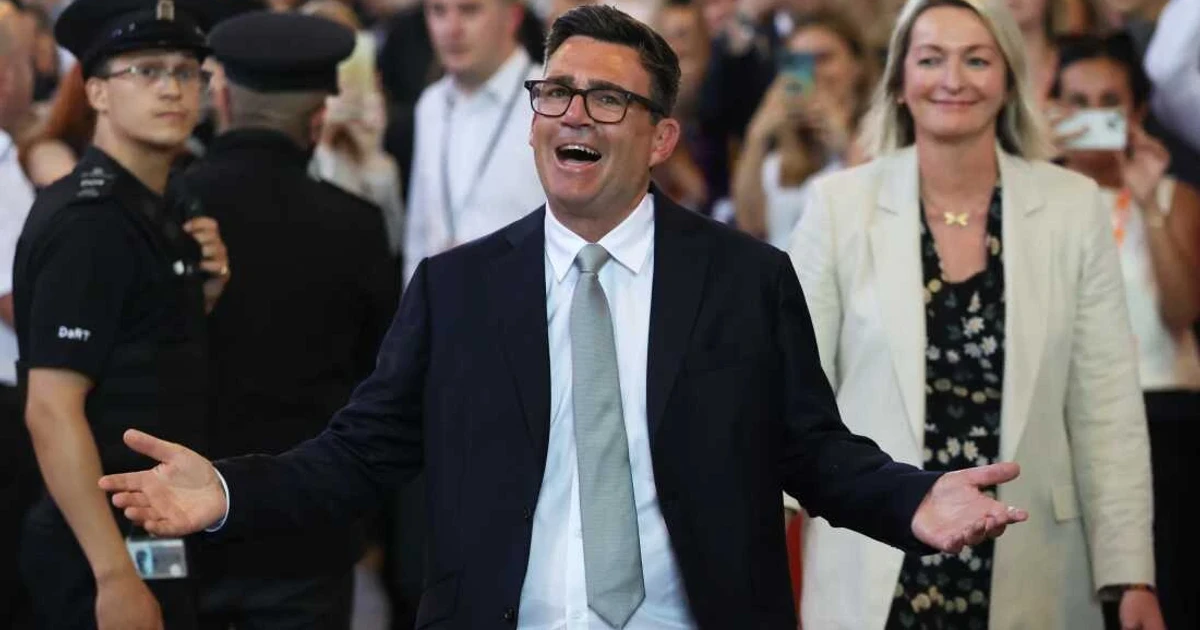
Andy Burnham stepped into Labour’s succession battle with the kind of political weight that could force a debate far beyond party procedure. As Keir Starmer resigned after losing the support of his MPs, Burnham said he would enter the race, putting the focus on what sort of Labour government he would lead and how far his instincts, shaped in the North, would travel nationally.
The contest now turns on Labour’s internal rules. Candidates must be MPs and secure nominations from 20% of Labour MPs before they can reach the wider membership ballot, while the party’s National Executive Committee is expected to set the timetable. Starmer’s departure followed mounting pressure after poor local-election results and an internal rebellion, leaving Labour to choose a successor under intense scrutiny.
Burnham arrives with a record that stretches from Westminster to Greater Manchester. He served as MP for Leigh from 2001 to 2017 and was health secretary under Gordon Brown, before becoming the first Greater Manchester mayor in 2017. He won re-election in 2021 with 473,024 votes, or 67.3 percent, a result that reinforced his standing as one of Labour’s most dominant regional figures.
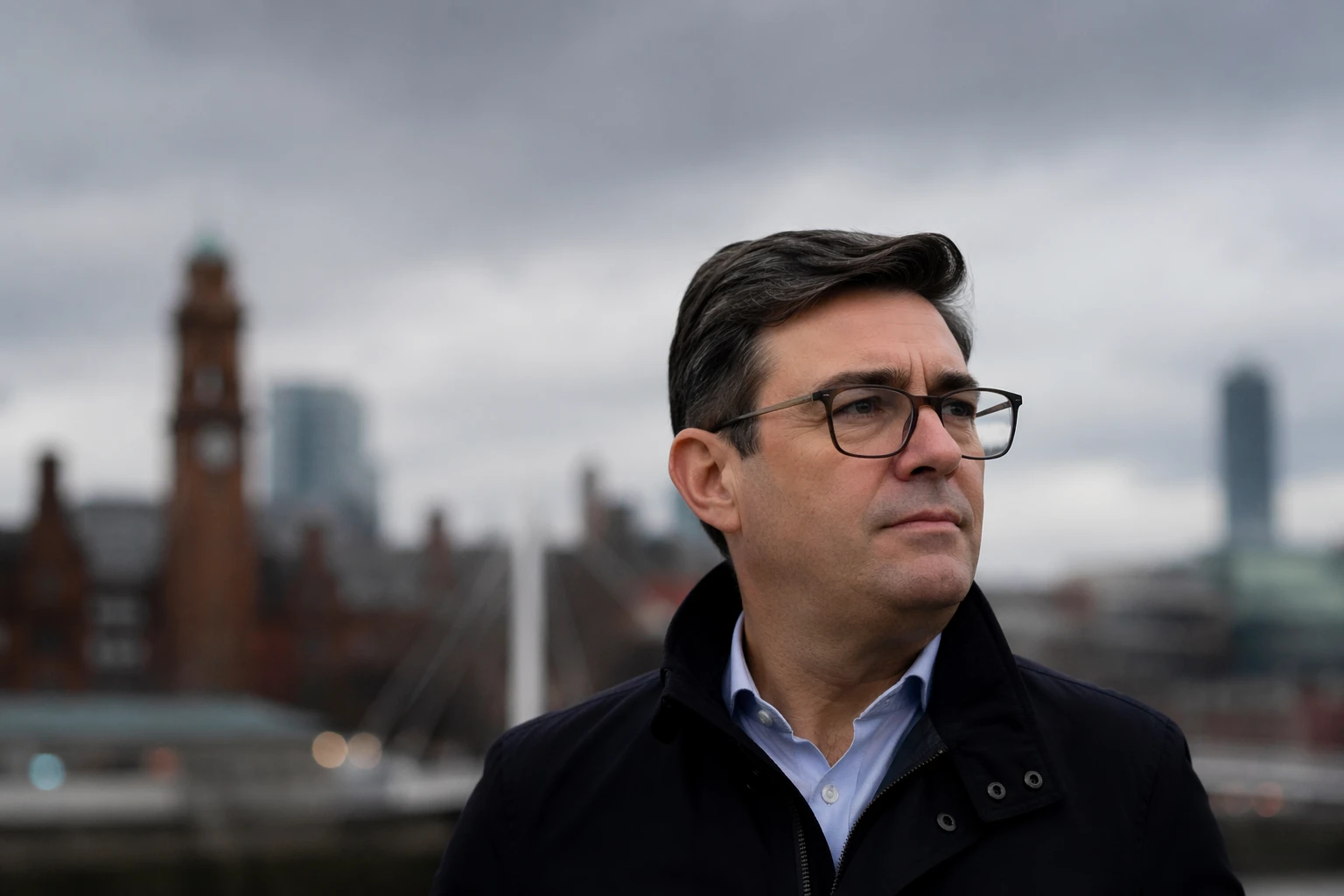
That platform matters because the Greater Manchester mayoralty is not symbolic. The post carries devolved powers over transport, economic development and policing, along with direct central-government investment of £30 million a year for 30 years from 2017. Burnham has used that office to build a political brand rooted in practical regional government and direct challenge to Whitehall, especially during the Covid era when he clashed publicly with Boris Johnson’s government over lockdown support and funding.
His return to Westminster has added urgency to the leadership race. Burnham won the Makerfield by-election on June 18, 2026, returning to the House of Commons after nearly a decade away. The by-election had been created specifically to give him a parliamentary seat so he could challenge Starmer, a sign of how carefully his path back to national politics was engineered.
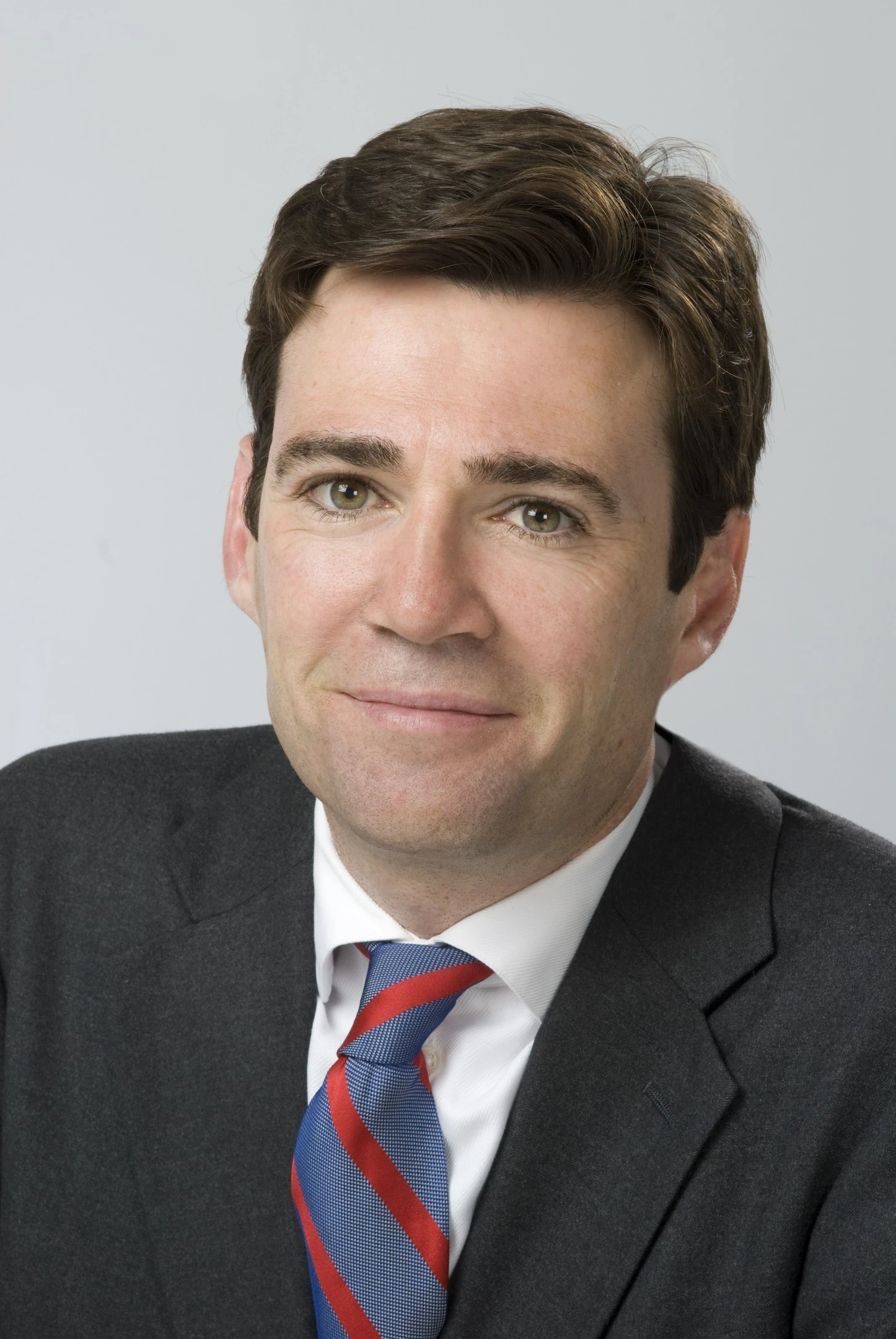
For Labour, Burnham represents a different governing instinct: more openly territorial, more comfortable with devolution, and more willing to put regional inequality at the center of national power. Commentators have already cast him as the frontrunner and the heavy favorite. If he succeeds, Labour would be choosing not just a new leader, but a version of the party built around the politics of the North.
Sources
- [1]cbsnews.com
- [2]apnews.com
- [3]commonslibrary.parliament.uk
- [4]politics.co.uk
- [5]themanc.com
- [6]salford.gov.uk
- [7]instituteforgovernment.org.uk
- [8]politico.com
- [9]news.sky.com
- [10]aljazeera.com
- [11]bolton.gov.uk