Politics
Andy Burnham eyes challenge to Starmer after Westminster return
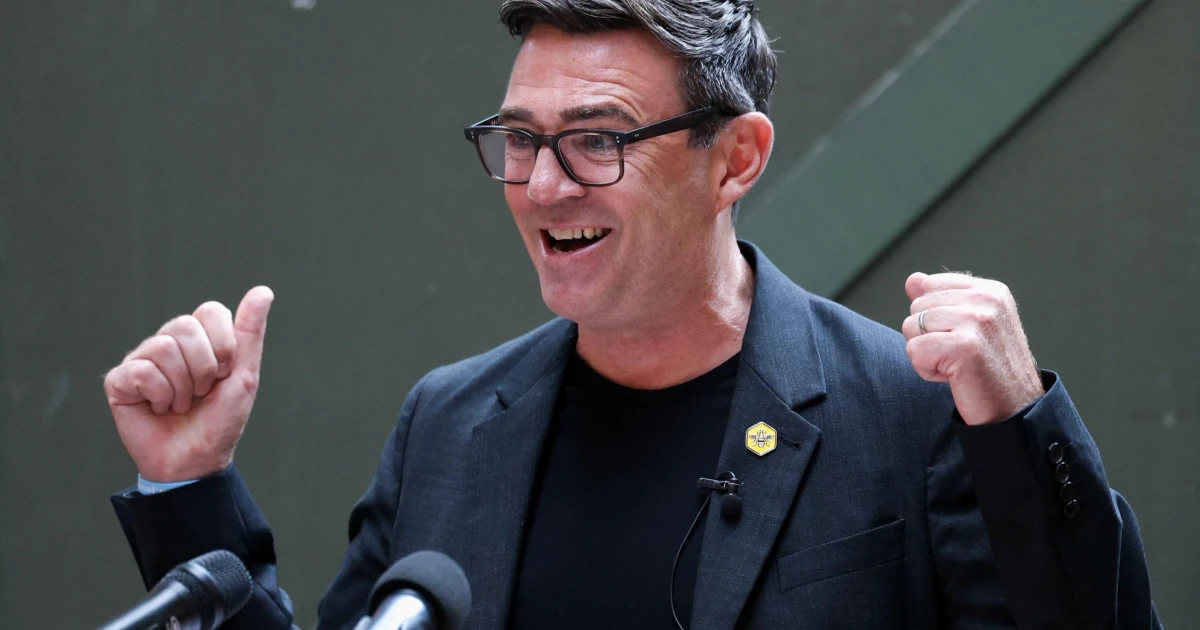
Andy Burnham’s return to Westminster through the Makerfield by-election has sharpened speculation that the Greater Manchester mayor is preparing a challenge to Keir Starmer. Burnham won the seat on 18 June 2026, with Labour holding Makerfield by 9,231 votes on a 58.7% turnout from 45,476 valid ballots in an electorate of 77,462.
The result matters because Burnham is not simply relying on personal profile. He has tied his ambitions to a policy framework built around the Greater Manchester Strategy 2025-2035, published in July 2025, which sets out a decade-long plan for growth and public service reform. The strategy combines a Growth Plan and a People Plan, and Burnham has used it to argue for a more place-based model of economic revival. One of its clearest commitments is that Greater Manchester will be building more social housing than it is losing through Right to Buy by 2027.
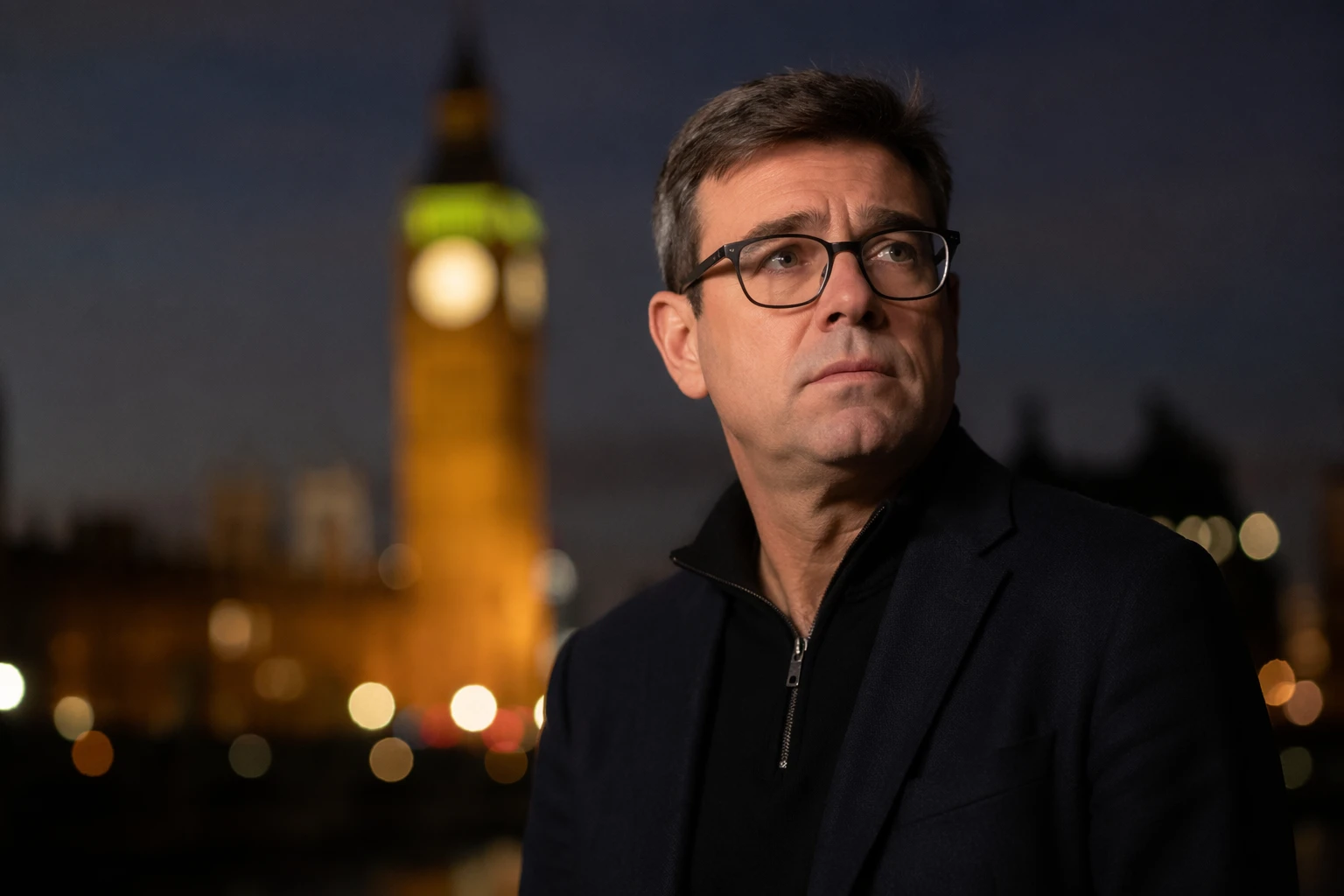
That gives Burnham something more concrete than a leadership mood music tour. He is presenting Greater Manchester as a working model for a wider shift of power away from Westminster, arguing for devolution, stronger transport links and a more direct link between local economic policy and public services. He has described the approach as "a decisive break with Whitehall business-as-usual", and the pitch is designed to show that a city-region can produce the machinery of government, not just the language of reform.
The reaction has been split. Supporters see in Burnham a credible alternative to Keir Starmer’s centralism, while critics question whether the sums add up and whether his plans can be delivered at scale. The pressure points are familiar: devolution needs funding, housing targets need land and planning decisions, transport expansion needs long-term capital, and even the idea of shifting parts of the No 10 operation to Manchester raises obvious practical questions.
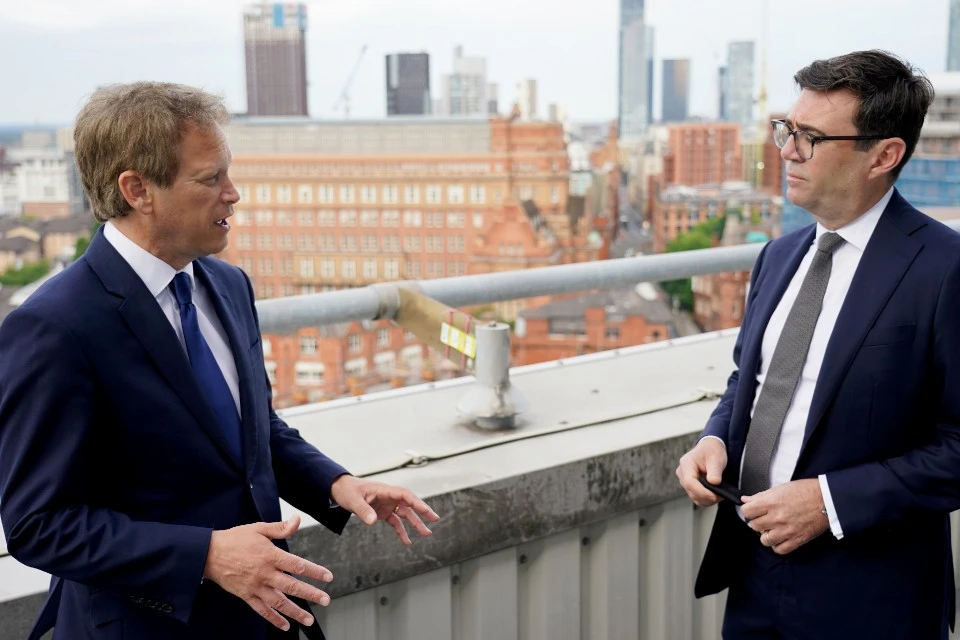
Burnham has long been viewed as a politician with prime ministerial ambitions, but also one who has not always fully set out his ideology. Four years ago he complained that he had been repeatedly denied a main-stage speaking slot at Labour Party conference, calling it a sign of disrespect. His Westminster return has revived that old argument, but the bigger test now is whether Burnham can turn ambition, a strategy and a regional record into a governing case before opponents define it for him.