World
Andy Burnham returns to Parliament, setting up challenge to Starmer
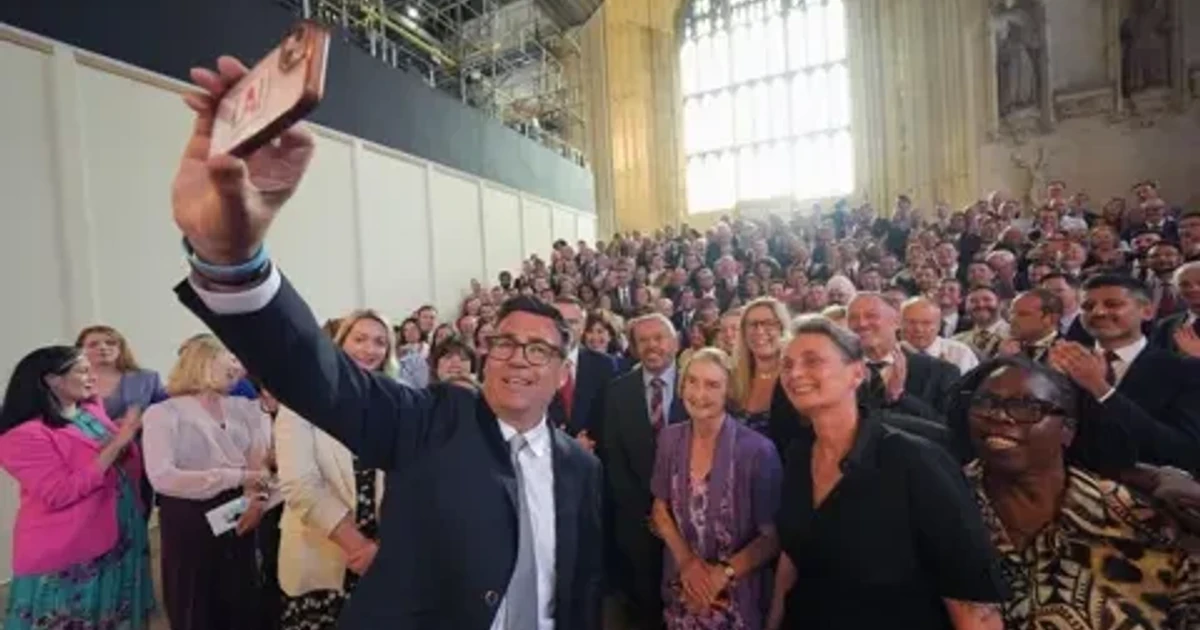
Andy Burnham’s return to Parliament has done more than revive an old Labour ambition. By winning the Makerfield by-election with 24,927 votes, 54.8 percent of the vote and a majority of 9,231, the Greater Manchester mayor has given Britain’s center-left a live test case for a politics built around regional power, working-class identity and a sharper economic message.
The 58.8 percent turnout made the contest look serious rather than symbolic, and the mechanics of the race sharpened the drama. Josh Simons resigned the seat to make room for Burnham, creating a rare parliamentary opening that one reading of the contest links back to Leyton in 1965, the last by-election specifically engineered to put someone new into the Commons. Burnham beat Reform UK’s Robert Kenyon and immediately re-entered national politics from the ground that first made his name.
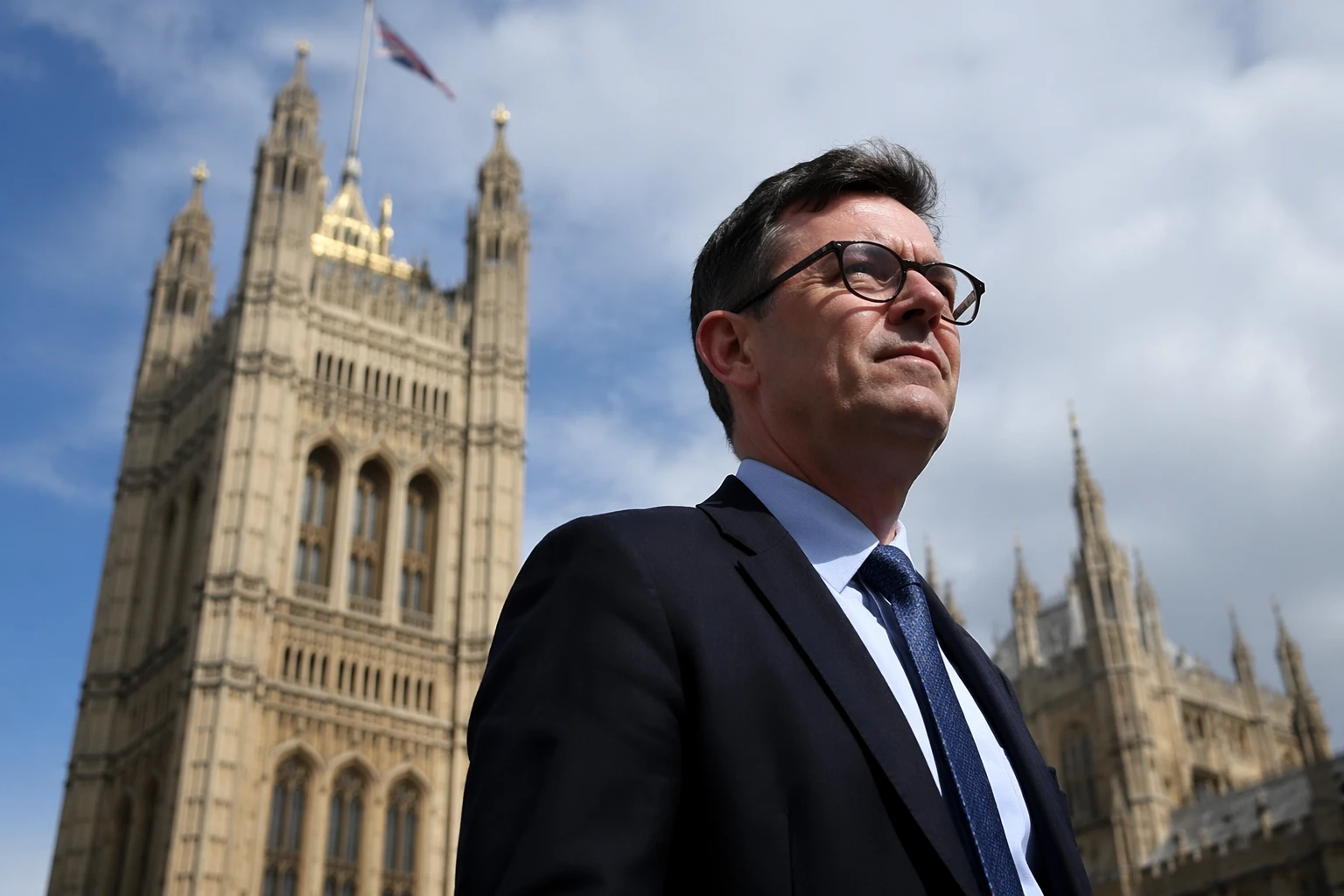
That ground has always been the North West. Burnham was first elected mayor of Greater Manchester in May 2017, then re-elected in May 2021 and May 2024 after previously serving as Labour MP for Leigh from 2001. He joined Labour at 14, shaped by the miners’ strike, and later worked as a special adviser to Culture Secretary Chris Smith in the late 1990s. He also knows the inside of Labour’s leadership machinery: after Gordon Brown resigned in 2010, Burnham ran for leader, then ran again in 2015 and lost to Jeremy Corbyn.
His appeal matters because it reaches beyond biography. Burnham has become a political insider turned outsider, a northern everyman with a casual style and a reputation for speaking to voters who feel ignored by London. That combination is why party figures have come to see him not just as a rival to Keir Starmer, but as a possible model for rebuilding center-left parties that have lost their urban, professional and working-class coalitions at the same time. His record in Greater Manchester, with its focus on devolution, transport and housing, gives him an economic-populist pitch that is municipal rather than ideological.
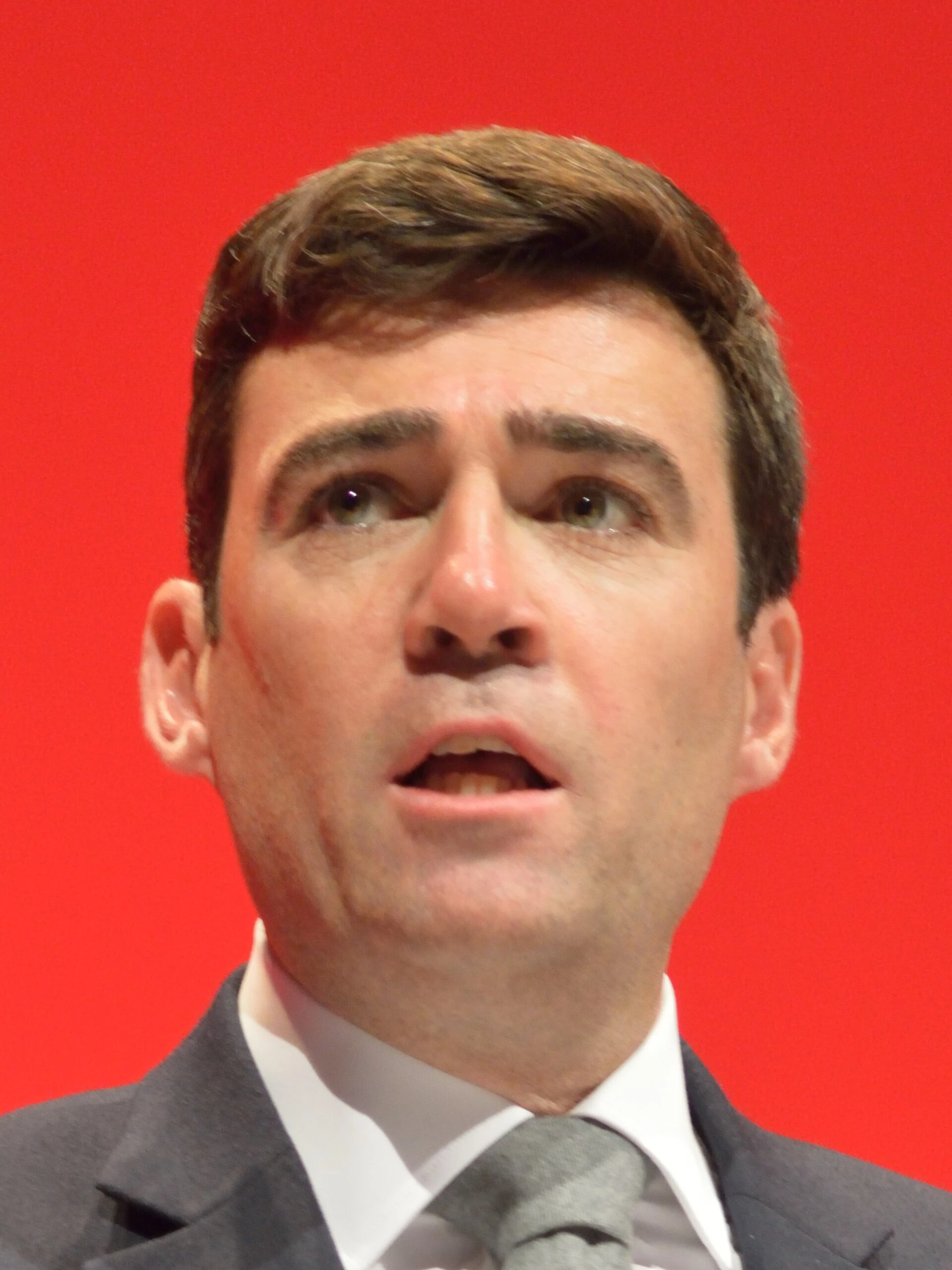
Starmer’s own position has collapsed fast enough to make that pitch look plausible. He announced on June 22, 2026 that he would resign as prime minister after pressure from within Labour, and reports said the transition could come as soon as next month or by the time Parliament returns in September. Reuters and BBC reporting indicated Health Secretary Wes Streeting had backed Burnham, while other senior Labour figures were weighing leadership bids of their own to stop a Burnham coronation. For Labour, the question is no longer whether Burnham is back. It is whether his coalition can be turned into a governing formula.
Sources
- [1]news.google.com
- [2]bennettschool.cam.ac.uk
- [3]abc.net.au
- [4]npr.org
- [5]politics.co.uk
- [6]standard.co.uk
- [7]bbc.com
- [8]apnews.com