Politics
Andy Burnham set to become Britain's new prime minister
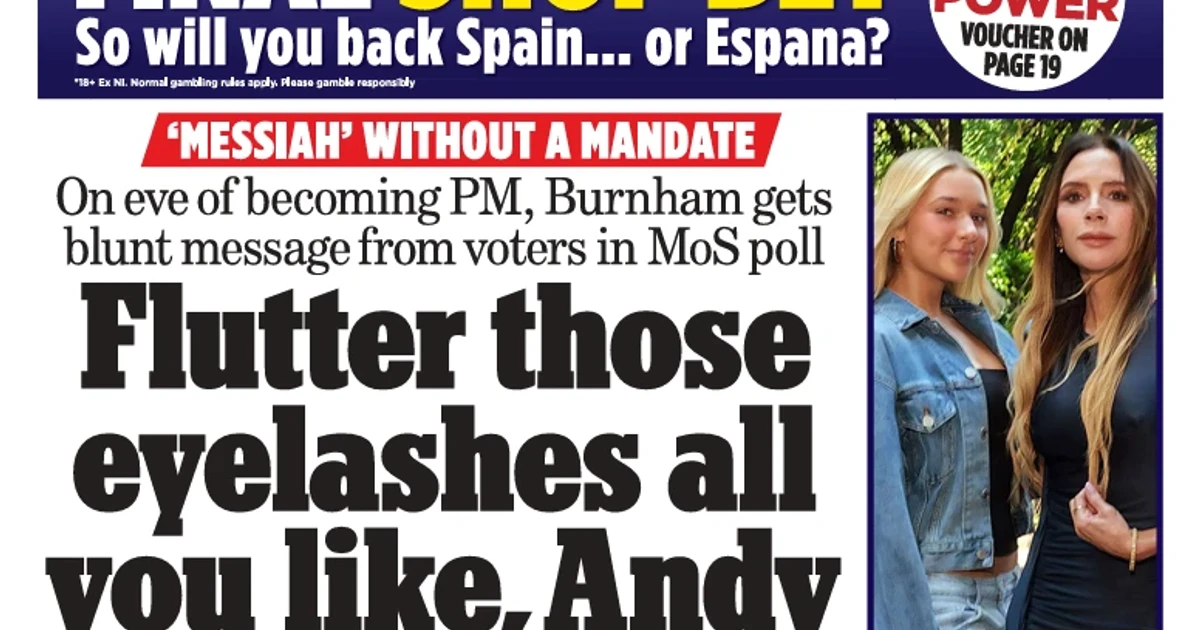
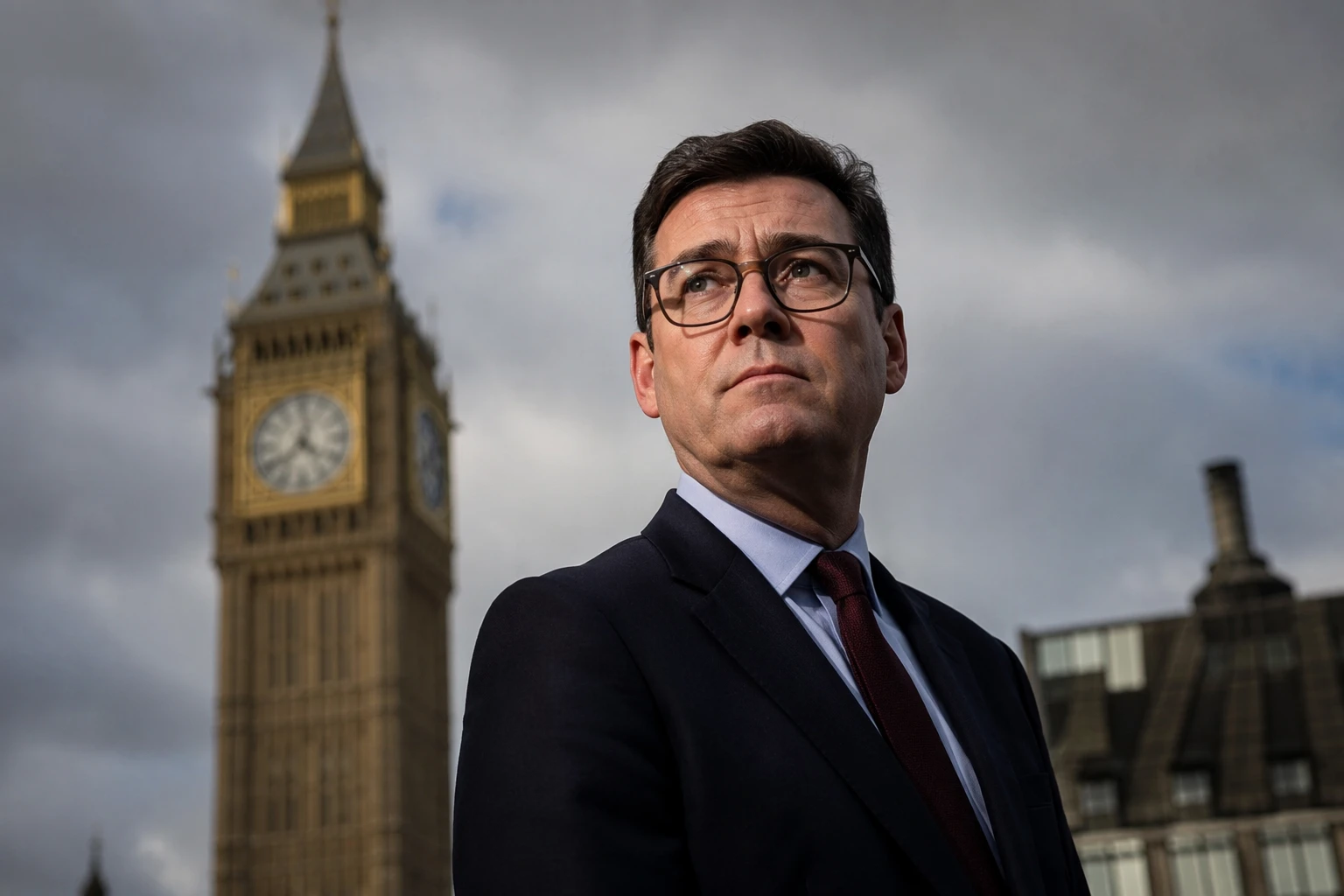
Andy Burnham was expected to move into Downing Street after Reuters reported that he had been elected leader of Britain’s governing Labour Party, the final step before becoming the country’s seventh prime minister in a decade. The speed of the shift, from mayor of Greater Manchester to national leader, has given the morning papers a single question to frame the transition: whether Burnham arrives with a mandate strong enough to hold.
Sir Keir Starmer’s resignation set that contest in motion. On 22 June, after pressure from Labour MPs and ministers, he told King Charles III that he would step down as Labour leader and prime minister, while remaining in office until a successor was in place. The leadership timetable followed quickly, with nominations opening on 9 July and closing by the summer recess on 16 July, turning the party’s internal process into a compressed national handover.
The front pages have treated that handover as more than a routine change at the top. The Sheffield Telegraph’s headline, “Messiah without a mandate,” captured the caution running alongside the excitement, and the broader newspaper round-up showed how Burnham’s advance was being read through the lens of legitimacy as much as popularity. The BBC said Burnham was already Labour’s most popular politician and had secured the support of a potential rival, while also noting a selfie of Burnham with Labour MPs inside Westminster after he was sworn in as an MP, an image that underscored his sudden momentum.
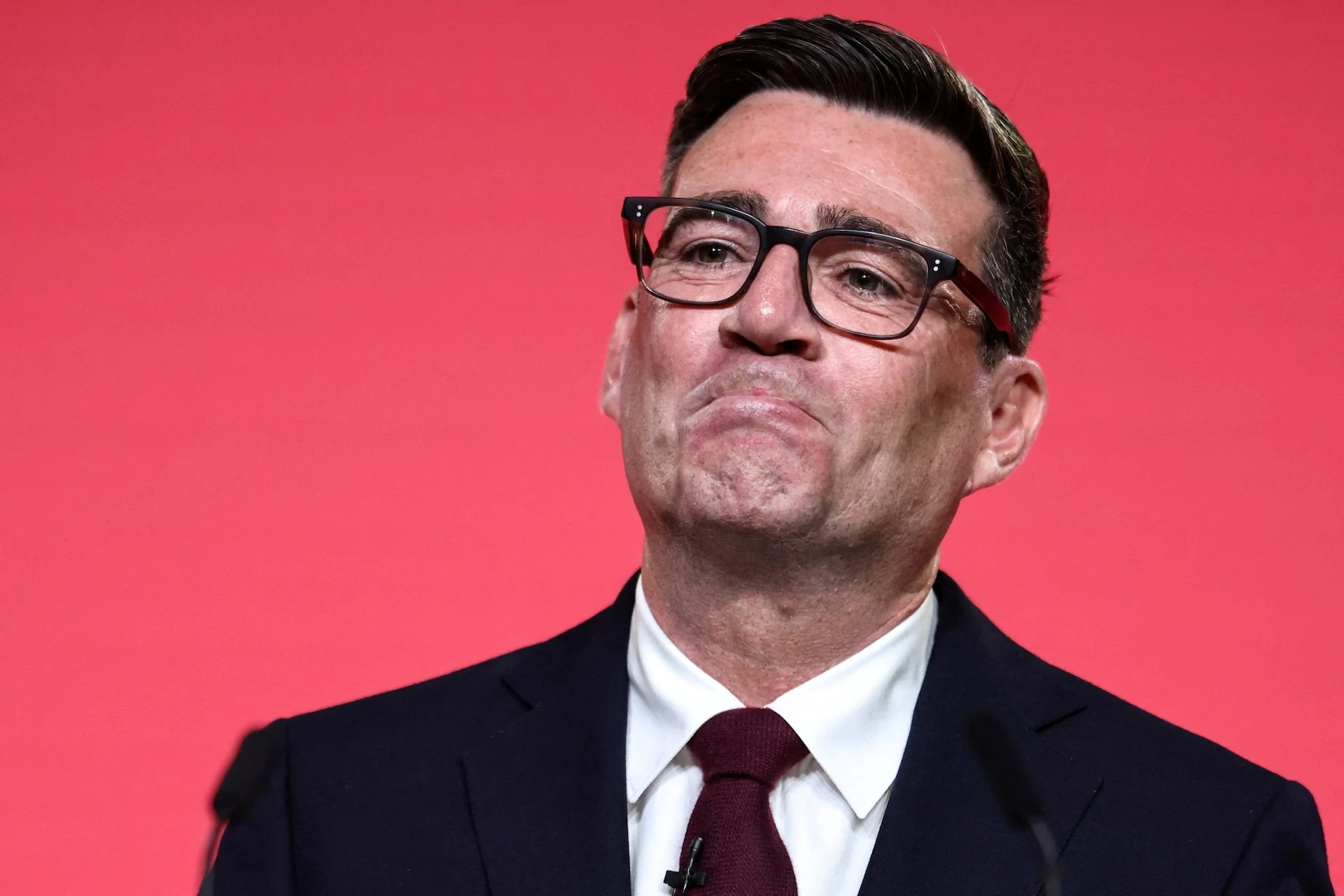
Even so, the early tests look severe. One analysis said Burnham would inherit the same problems that helped defeat Starmer: economic stagnation and ascendant populism. The BBC also reported that Starmer had warned Burnham he would need to spend as much time on foreign affairs as Starmer had, a reminder that any new prime minister is judged immediately on global instability as well as domestic repair. The Sunday Times added another possible flashpoint, saying Burnham could sack Rachel Reeves as Chancellor if he became prime minister.

That is why the phrase “without a mandate” has landed so heavily in the first days of the transition. Before Burnham has written a policy or named a cabinet, the press has already turned his ascent into a test of authority, and the first verdict is being written on the front page.
Sources
- [1]bbc.co.uk
- [2]bbc.com
- [3]reuters.com
- [4]nytimes.com
- [5]theguardian.com