Politics
Andy Burnham wins Makerfield landslide, fueling Labour leadership speculation
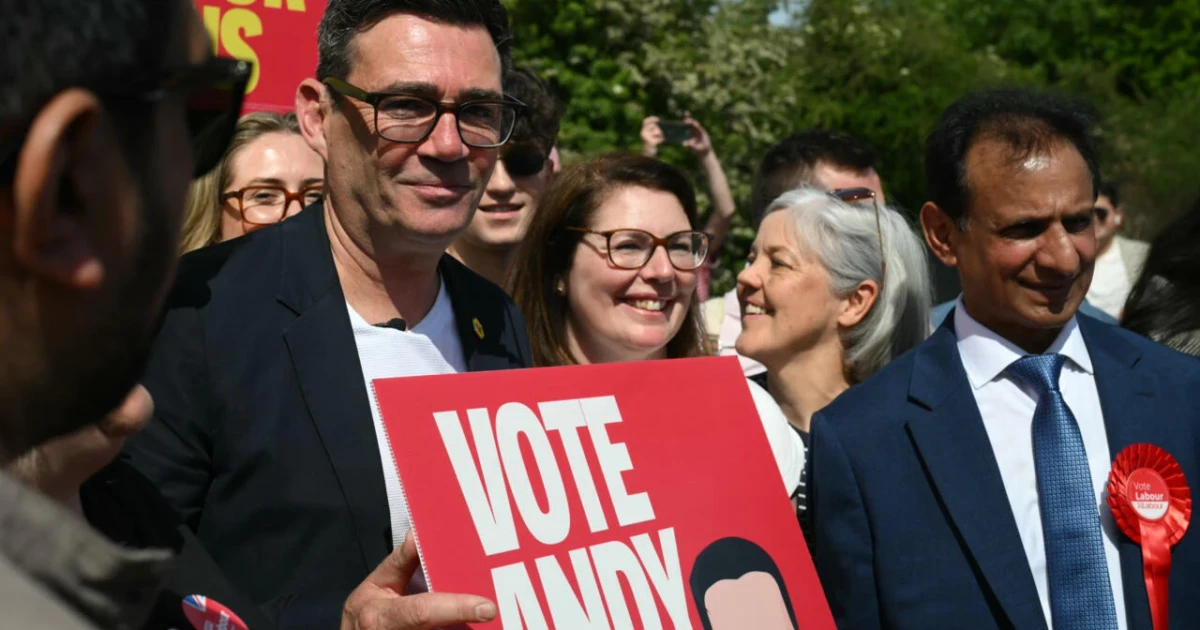
Andy Burnham turned a routine-looking by-election into a national political test, sweeping Makerfield by 9,231 votes over Reform UK and then using his victory speech to warn that Labour had a “final chance to change.” In a seat long described as one of Labour’s safest, the size of the win looked less like a local formality than a signal that voters are still hungry for a party that can sound urgent, modern and unmistakably different.
The contest took place on Thursday, 18 June 2026, after Josh Simons stood down and triggered the by-election on 19 May. Makerfield, which includes Ashton-in-Makerfield in Wigan, Greater Manchester, had been expected to stay comfortably in Labour hands, but recent local election results made the race more competitive than many inside the party had anticipated. Burnham’s campaign centered on his return to Parliament and his broader pitch that British politics was “tired” and needed “a new script.”
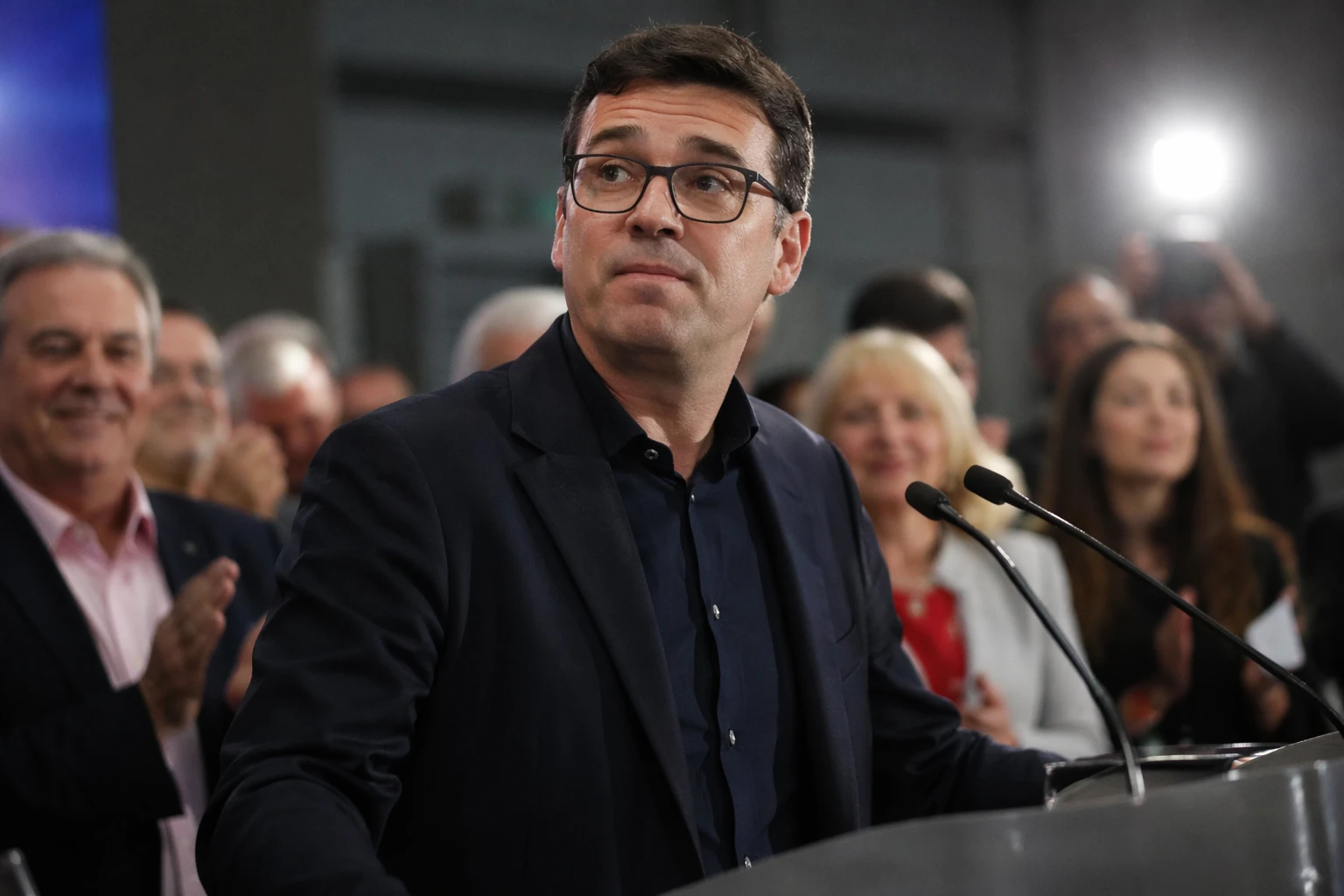
That argument now sits at the heart of the leadership chatter around Sir Keir Starmer. Burnham’s supporters have openly talked about an “orderly and managed transition,” and Labour MPs were already pressing him to launch a leadership bid if he succeeded in Makerfield. The result has intensified that speculation rather than cooling it, because a 9,231-vote margin in a once-untouchable seat gives Burnham something far more valuable than a simple win: momentum.
Wes Streeting added to the sense of movement by saying Burnham’s victory showed Labour needs to change. The politics behind that line matter. Burnham’s message was not just about one constituency or one candidate, but about whether the center-left can answer two different forms of pressure at once: Conservative fatigue on one side and Reform-style populism on the other.
What Makerfield suggests is a wider anti-incumbent and anti-fragmentation mood, one that should worry national parties across the board. Voters in a Labour stronghold did not simply endorse the status quo; they backed a candidate presenting himself as a break from stale politics and a bulwark against Nigel Farage’s challenge. If that mood spreads, the danger for Labour is complacency, and the danger for its rivals is that fragmentation leaves no clear alternative standing when the public decides change is overdue.