Politics
Andy Burnham’s Manchester legacy fuels his push toward Westminster
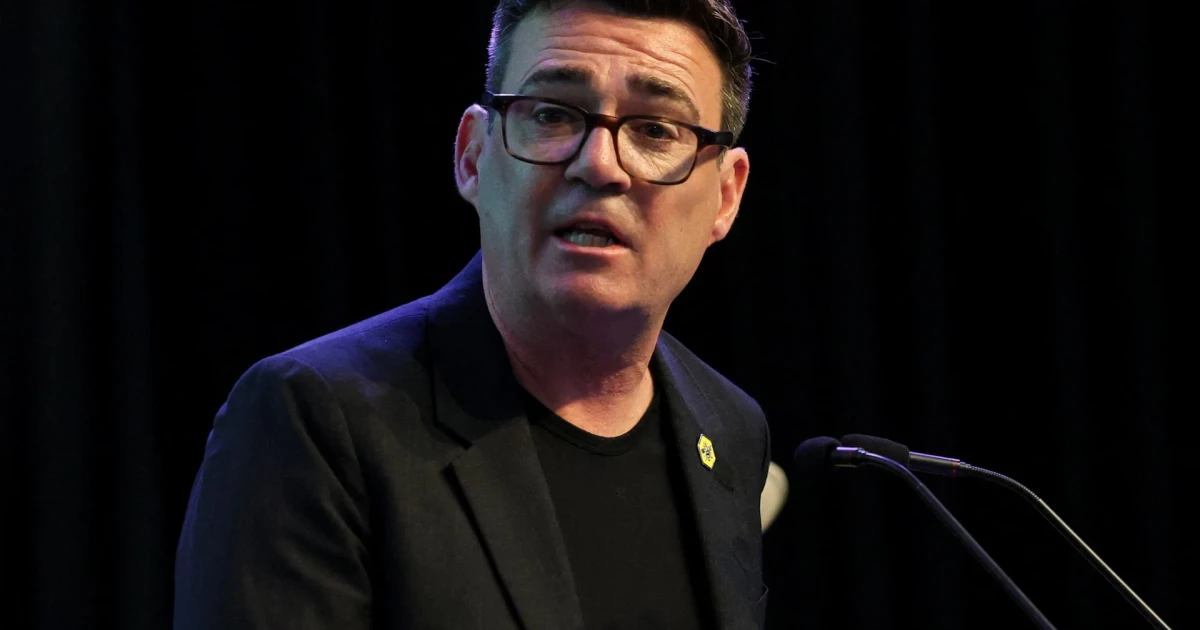
Andy Burnham was first elected Mayor of Greater Manchester in May 2017 and, after nine years in office, leaves with a record built on transport, housing, policing and the daily pressure of governing a city-region spread across 10 local authorities. He leaves with a national profile that now reaches Westminster. The bigger question is whether the metro-mayor model that shaped him can also carry a leader into Downing Street.
Manchester as Burnham’s proving ground
Burnham was re-elected in May 2021 and returned for a third term on 2 May 2024 with 63% of the vote. The office he holds is not ceremonial. As mayor of the Greater Manchester Combined Authority, he oversees a body that brings together 10 local authorities and controls a budget of more than £3bn.
That structure gave Burnham a platform larger than a normal city hall but still compact enough for voters to see what he was trying to change. His remit covers transport, skills, employment support, planning and regeneration, policing, fire services and housing. In practice, that meant he could make himself visible in the places where national politics often looks abstract: bus routes, waiting lists, rough-sleeping services and the condition of neighbourhoods left behind by growth.
The policies that defined his brand
Burnham’s third-term campaign was built around three promises that captured both the scale of Manchester’s problems and the ambition of his pitch. He set out to end the housing crisis by 2038, build a London-style integrated transport system and create a new technical education pathway, alongside a Live Well service designed to join up support for residents who move between health, welfare and work systems.
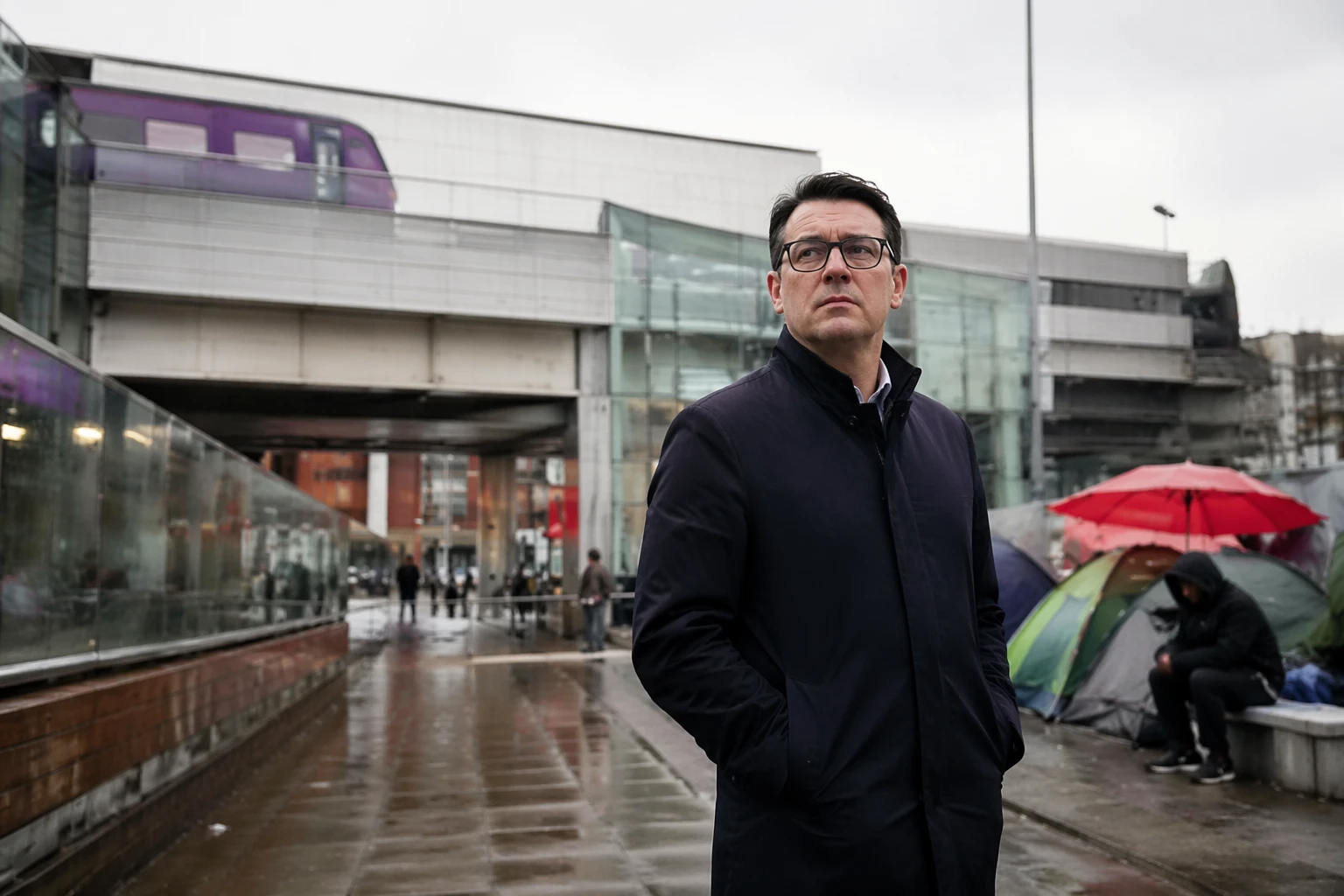
Housing was central because the numbers are stark. Greater Manchester has lost nearly 24,000 homes to Right to Buy over the last 20 years, including 571 sold in 2022-23 alone. That loss helps explain why Burnham framed housing not as a narrow planning issue but as a long-term supply crisis requiring sustained intervention over more than a decade.
Transport became the clearest proof point for his style of leadership. The city-region’s 2026 spending plans included £482 million for the Bee Network, the integrated public transport system that has become one of Burnham’s defining projects. He has tied that network to a wider argument that good regional transport is not a luxury but an economic asset, shaping labour mobility, access to training and the geography of opportunity across the conurbation.
The crises that built his political identity
Housing shortages, fragmented transport and rough sleeping are all problems that voters can see and feel. He pledged to continue donating 15% of his salary to A Bed Every Night, Greater Manchester’s rough-sleepers accommodation program, turning that campaign into a personal signal as well as a policy commitment.
The 2026 budget also underscored the balance of his priorities. More than £900 million was earmarked for policing and community safety, showing how much of the mayoralty is spent on maintaining order and confidence as well as building new systems.
He has associated himself with a transport overhaul, a housing rescue plan, a skills pipeline and a visible anti-homelessness commitment.
What can scale from Manchester to Westminster
Burnham’s strongest national case is that the mayoralty has taught him how to combine money, strategy and accountability. A £3bn-plus budget and direct responsibility for services such as transport, policing and housing are a serious apprenticeship in statecraft.
Some parts of Burnham’s record travel well to a national contest. His focus on integrated transport, technical education and joined-up support for people moving between services all reflects a politics of coordination rather than slogans. His housing argument also has obvious national relevance, because the loss of homes to Right to Buy in Greater Manchester mirrors a broader shortage problem that no single local authority can solve alone.
Other parts are harder to scale. Manchester’s mayor can marshal a city-region strategy, but Westminster controls the big levers on tax, welfare and national housing supply.
By June and July 2026, attention had shifted to Burnham’s departure from the mayoralty, the “emotional goodbye” to staff after nine years in office and the prospect of a move back toward Westminster. He was being discussed as a contender for a Labour leadership contest and as the likely next prime minister.