Politics
Anekal Stadium Proposal Fuels Political Debate in Bengaluru
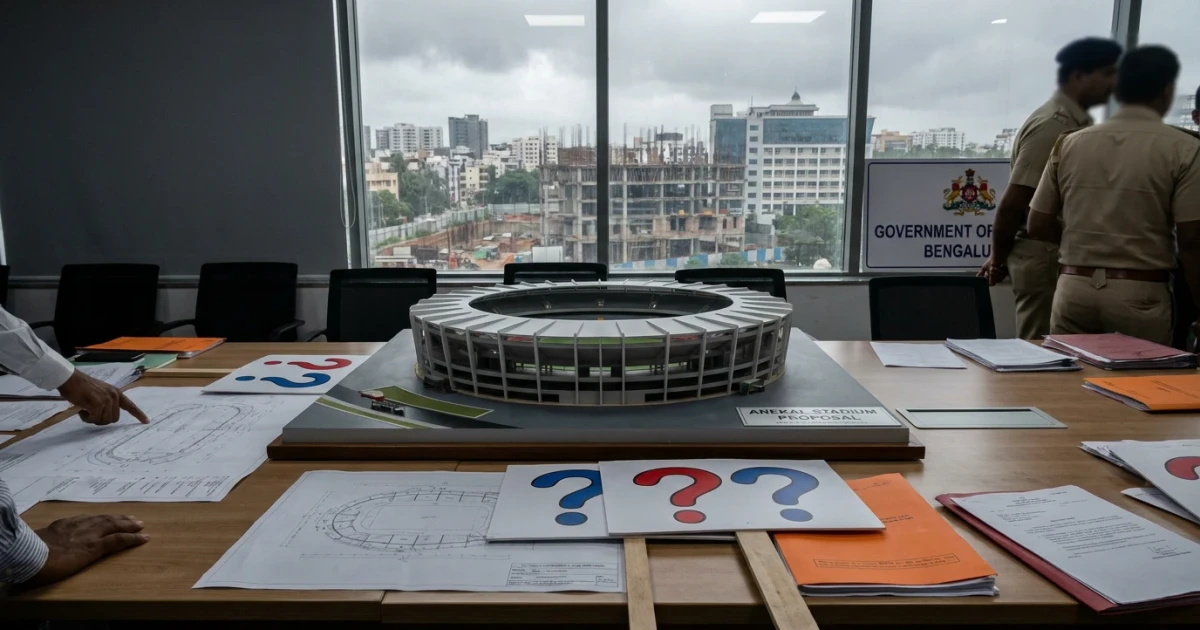
The proposed construction of a new sports stadium in Anekal, a southern suburb of Bengaluru, has become a flashpoint in local politics, as the Congress party’s backing of the project faces criticism from opposition leaders and scrutiny from urban policy analysts.
Political Stakes Surrounding the Anekal Stadium
The Anekal stadium, intended to supplement Bengaluru’s existing sports venues like the iconic Chinnaswamy Stadium, was championed by Congress legislators as a major step toward promoting sports infrastructure in the city’s rapidly expanding southern belt. According to News18, the project is positioned as a response to the growing need for decentralizing sports facilities away from central Bengaluru and catering to the suburban population’s demands.
However, the initiative has drawn sharp political fire. Critics, primarily from rival parties, allege that the push is less about addressing sporting needs and more about consolidating political influence in a key constituency. The debate has taken on added significance amid heightened competition over infrastructure spending priorities in the wake of the recent municipal budget allocations. The BBMP Budget 2023-24 earmarked substantial funds for sports infrastructure, including in Anekal, intensifying the debate over equitable resource distribution across Bengaluru neighborhoods.
Arguments For and Against the Stadium
- Proponents argue the new stadium will expand access to quality sports facilities for youth and aspiring athletes in Bengaluru’s southern periphery, where population density is rising but public infrastructure lags behind.
- Opponents counter that the area already has several underutilized facilities, and question whether such large-scale investment is justified when other civic issues—such as roads, drainage, and schools—remain underfunded.
According to the Bengaluru Urban District Sports Infrastructure Report 2022, Anekal’s existing sports infrastructure is limited in capacity and scope compared to core city areas, supporting Congress claims on the need for new development. Yet, the same report highlights a pattern of maintenance and utilization gaps in several recently built suburban facilities, lending some credence to opposition concerns about effective resource use.
Official Plans and Funding Details
The Department of Youth Empowerment & Sports – Karnataka lists the Anekal stadium proposal among its ongoing projects, with budgeted funding and a tentative timeline for completion. The BBMP budget document confirms a line-item allocation for Anekal, but does not specify the full scale or the intended sports disciplines the stadium will host, raising questions about transparency and public consultation in the planning process.
In the statewide context, the NITI Aayog’s State of Sports Infrastructure in India report notes that Karnataka has increased investment in sports facilities, but recommends robust needs assessments and community engagement to maximize social impact. The Anekal case is cited by some analysts as a test of whether political momentum can align with best practices in infrastructure rollout.
Stakeholder Perspectives
- Local sports associations in Anekal have generally welcomed the move, pointing to the lack of quality venues for training and tournaments.
- Civic groups remain divided, with some calling for a phased approach that prioritizes basic amenities before large stadium projects.
- Urban planners stress the need to integrate the new facility with public transport and broader development plans for Bengaluru’s southern corridor.
Broader Policy Implications
The controversy around the Anekal stadium reflects the challenges of balancing Karnataka’s State Sports Policy goals with political realities and competing urban priorities. While decentralizing sports infrastructure has been a key policy plank, the execution often invites debate over timing, location, and the opportunity cost of public spending.
The case also underscores the growing importance of sports as both a political and developmental issue in metropolitan India, where projects can become proxies for broader battles over urban inclusion and equitable growth.
Looking Ahead
As the Anekal stadium proposal moves through planning and approval stages, the outcome will likely influence future sports infrastructure decisions across Bengaluru and the state. Continued scrutiny from political opponents, civic groups, and policy experts is expected to shape both the project’s implementation and the larger debate on public priorities in rapidly urbanizing regions.